How the Scent Graph is built.
AI perfume matching works by turning every fragrance into structured data, turning a person's taste into a comparable profile, and scoring the two against each other. At Fragnatique that structure is the Scent Graph, built in Tallinn by Appthos Studio OÜ: designer, niche and indie perfumery decomposed into atomic notes, eight olfactory families and a six-axis accord radar.
What is the Scent Graph?
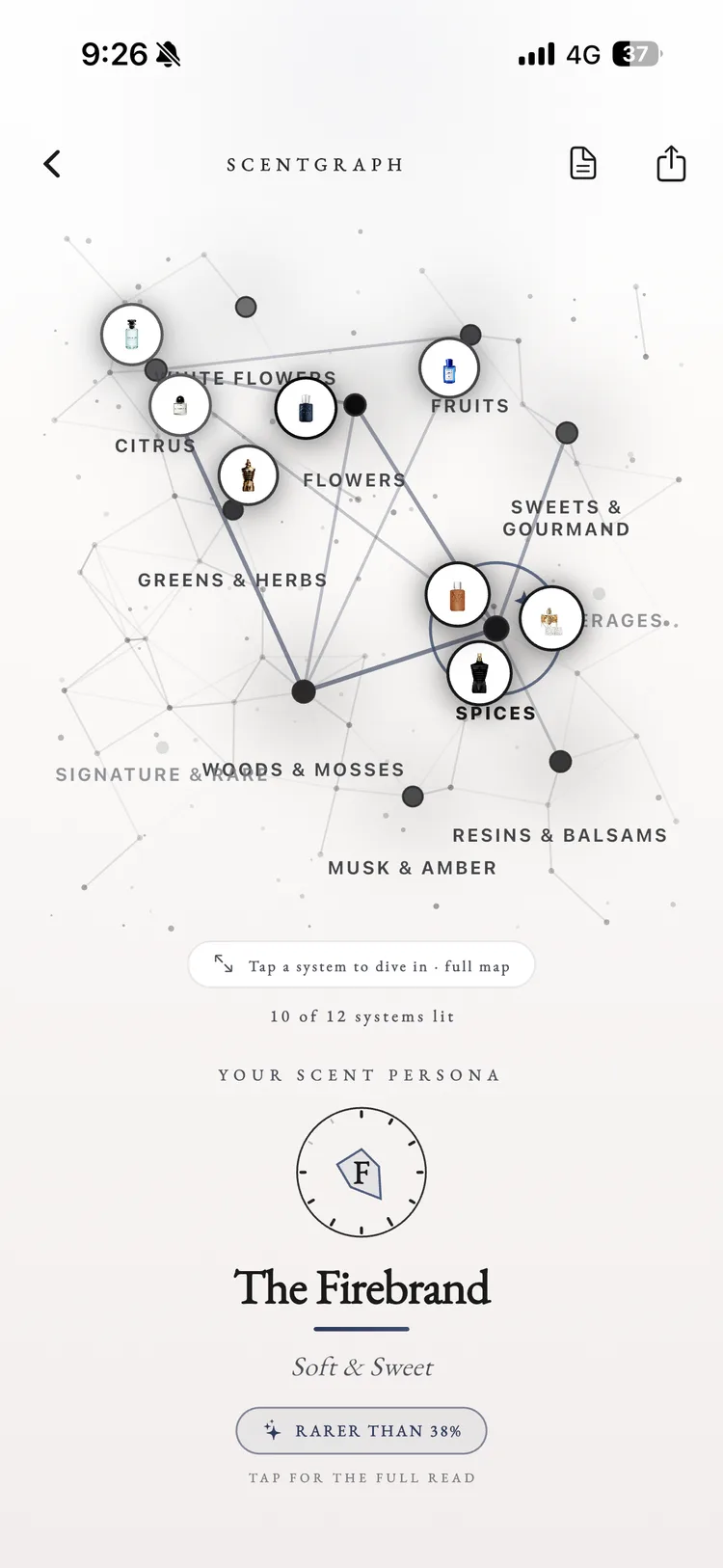
A map of relationships rather than a list of perfumes. Notes, accords, fragrances, families and your own profile all sit in it as connected points, so a liking for one note travels to everything that shares it.
It moves while you use the app. Liking a fragrance sends affinity to the notes inside it, and a Scent Lab session adds a composition the graph has never seen and reads it against everything it has.
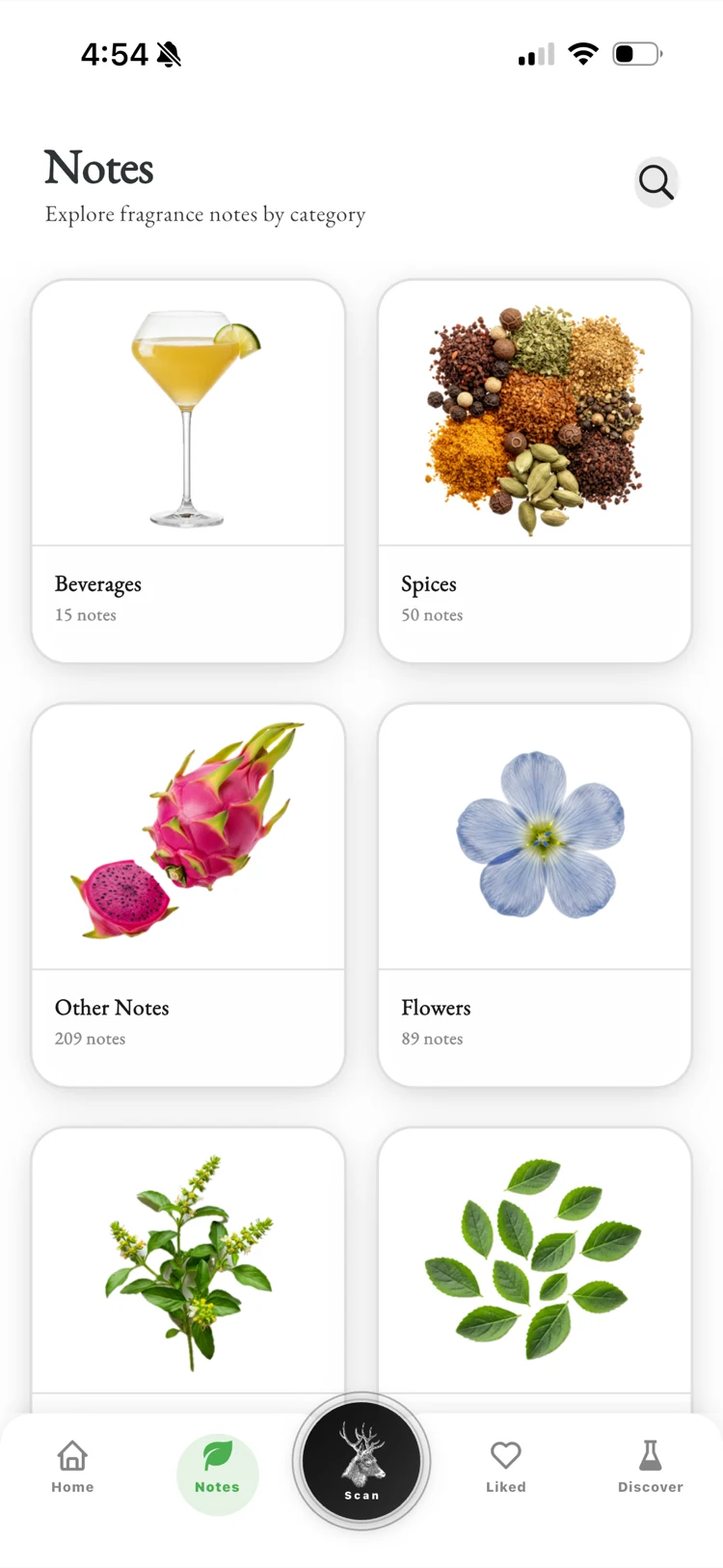
On screen: the systems you have lit up, drawn as clusters. The dark ones are where your taste has not been yet.


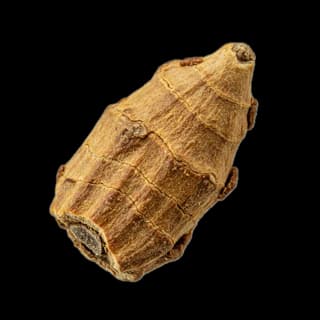
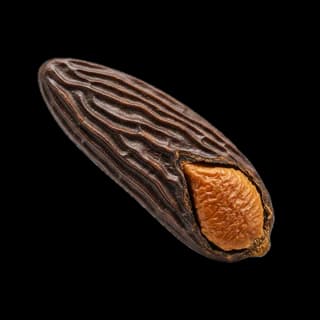
What is an atomic note?
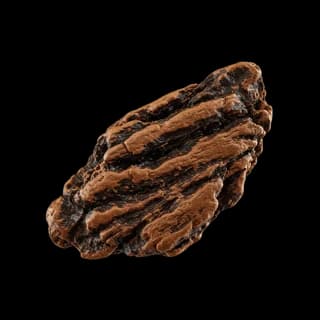
The smallest unit the graph will store: one raw material or naturalistic accord that a perfumer and a wearer would both name as a single thing. Bergamot is a note. Iris is a note. Oud is a note.
Every note is kept with the same fields, which is what lets the app compare the opening of one fragrance with the base of another.
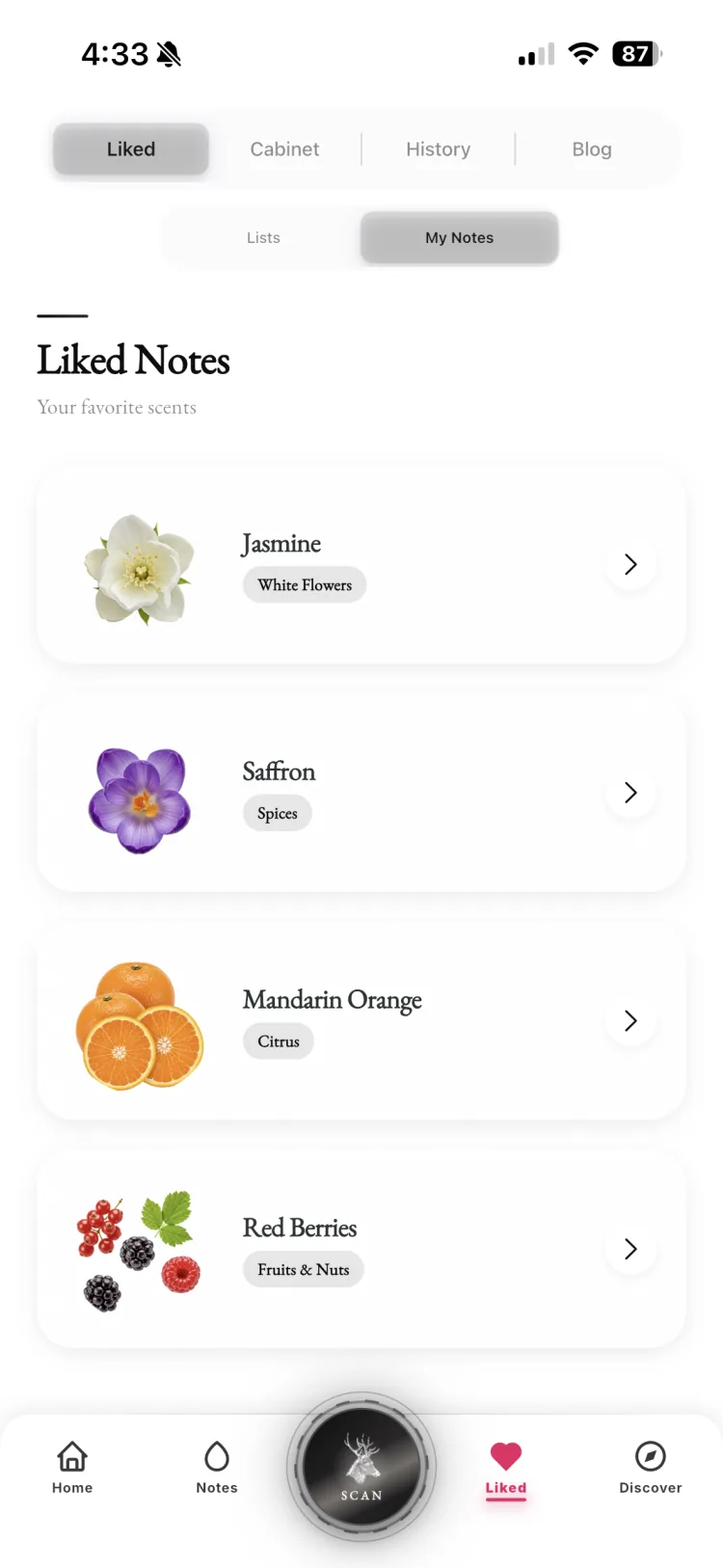
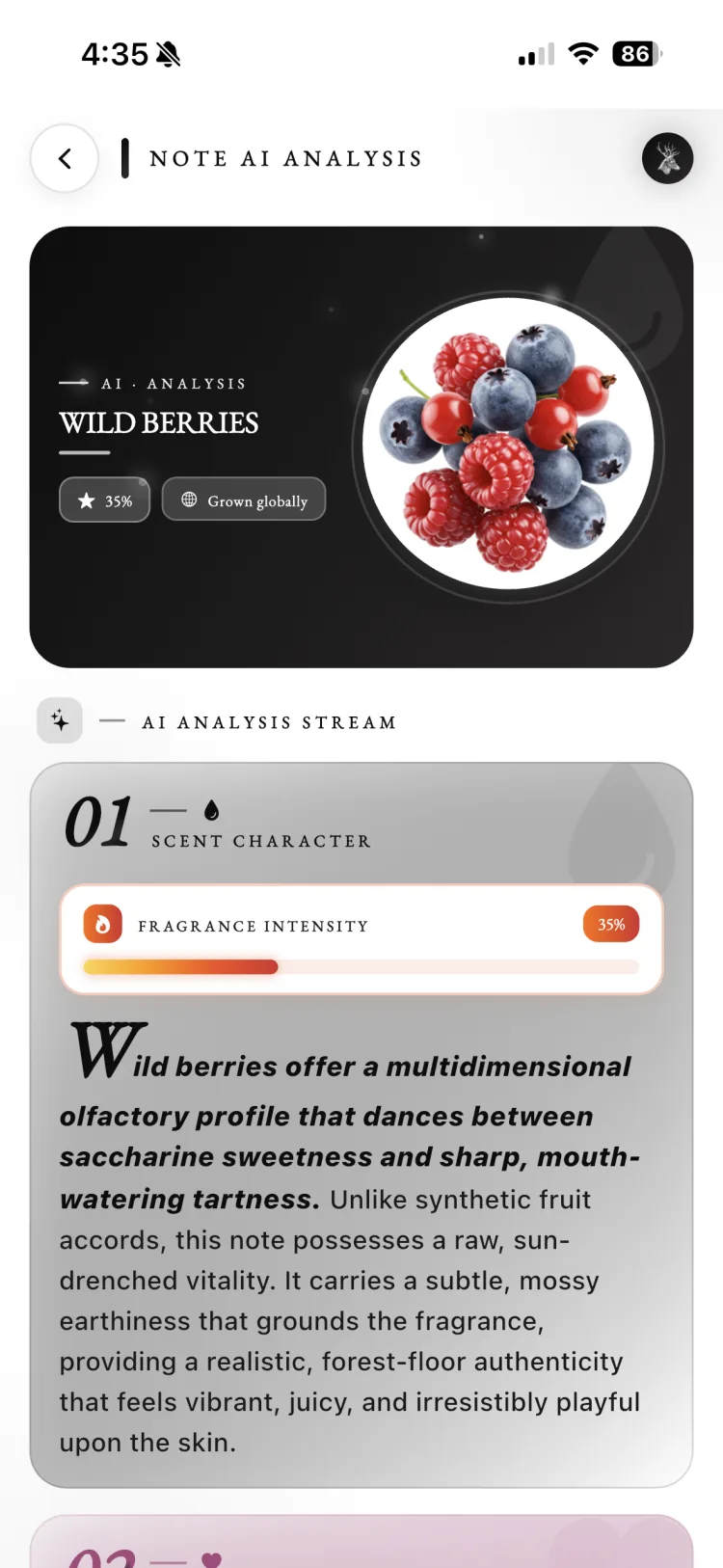
On screen: the reading the app gives one note, from how loudly it carries to the character it brings.

- Family
- Citrus
- Position
- Top of the pyramid
- Character
- Bright, bitter-sweet, faintly green
- Volatility
- Fast. It arrives first and leaves first
- Sits well with
- Neroli, petitgrain, vetiver, black tea
- Safety
- Expressed citrus oils carry an IFRA use limit

What does the graph cover?
Designer, niche and indie houses, with every release taken apart the same way: the notes pyramid, the accord radar, the vibe gauge, and the practical detail a wearer actually asks about.
The graph is curated rather than scraped: a name with no structured profile behind it cannot be matched, explained or formulated against, so it is not carried at all. The set is cached on the phone, so the scanner and the match score work with no signal.
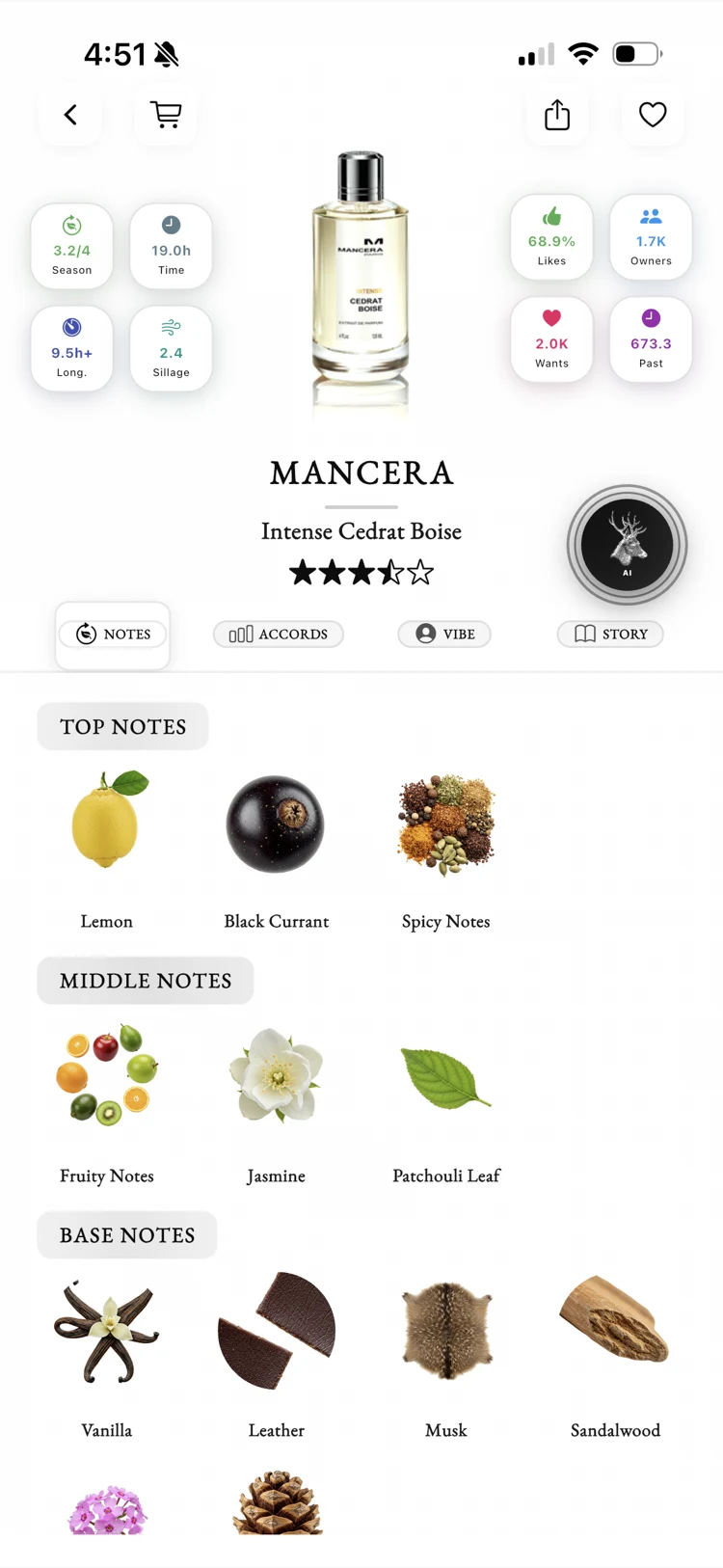


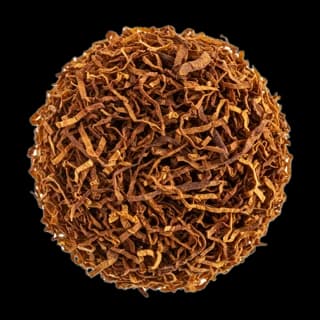
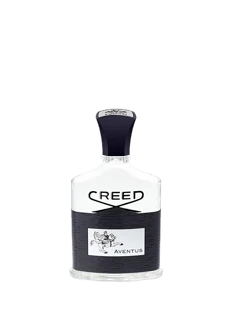
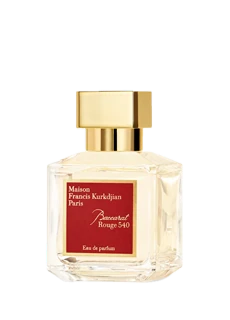
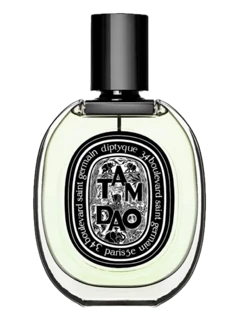
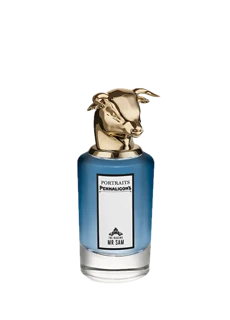
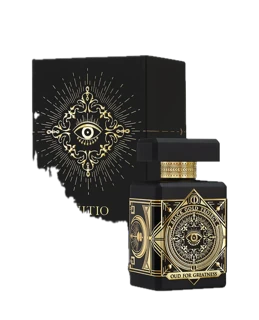
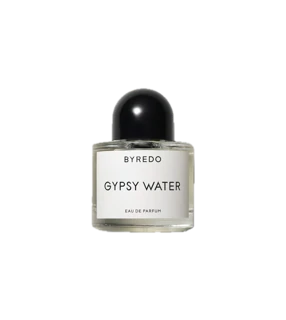
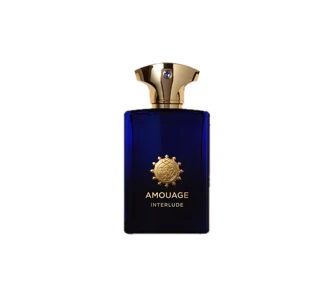
Stored as decompositions rather than names. That is the only form the match score, the scanner and the Scent Lab can read.
Why eight families?
Eight is the level at which a taxonomy stays useful to a wearer and stable across reformulation: citrus, floral, woody, spicy, gourmand, aromatic, resinous and earthy. It follows the industry references without inheriting their edge cases.
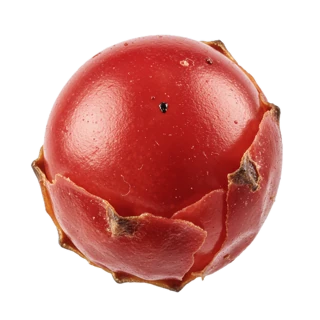
Peel oils and the bright, short lift they give the opening.

Single flowers and bouquets, from dewy and airy to heavy and indolic.
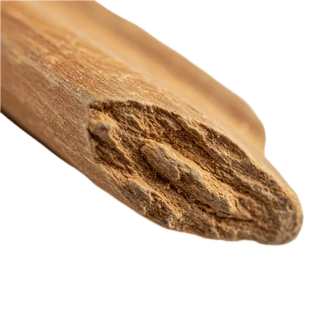
Creamy and dry woods that hold the rest of a composition in place.
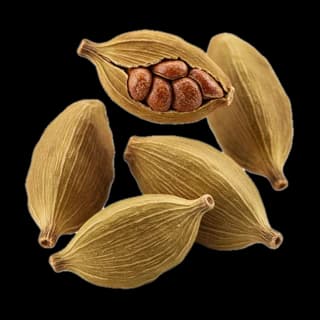
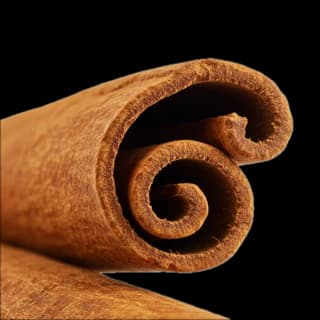
Hot and warm spices, from sparkling pepper to baked cinnamon.

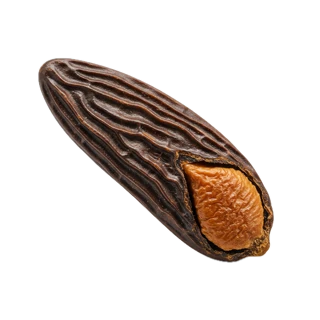
Edible sweetness: vanilla, tonka, caramel, cocoa and coffee.
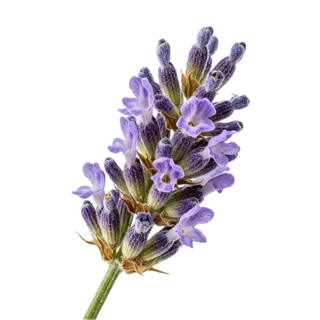
Herbs, lavender and clary sage, the spine of the barbershop accord.
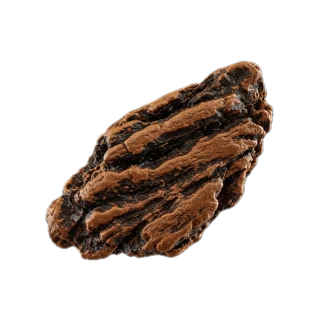
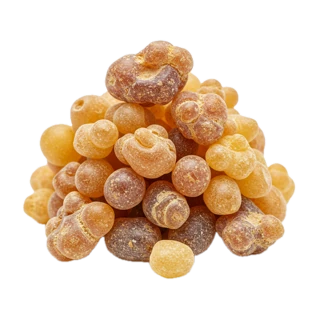
Balsams and incense, smoke and resin, sweetness gone dry.
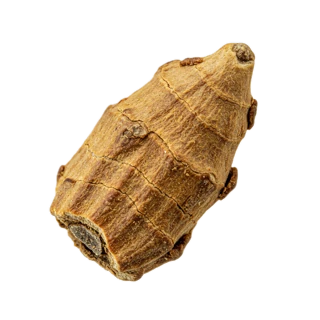
Roots, moss and soil. The smell of ground rather than growth.
Membership is not exclusive. A release can sit mainly in one family and borrow from another.
What does the accord radar measure?
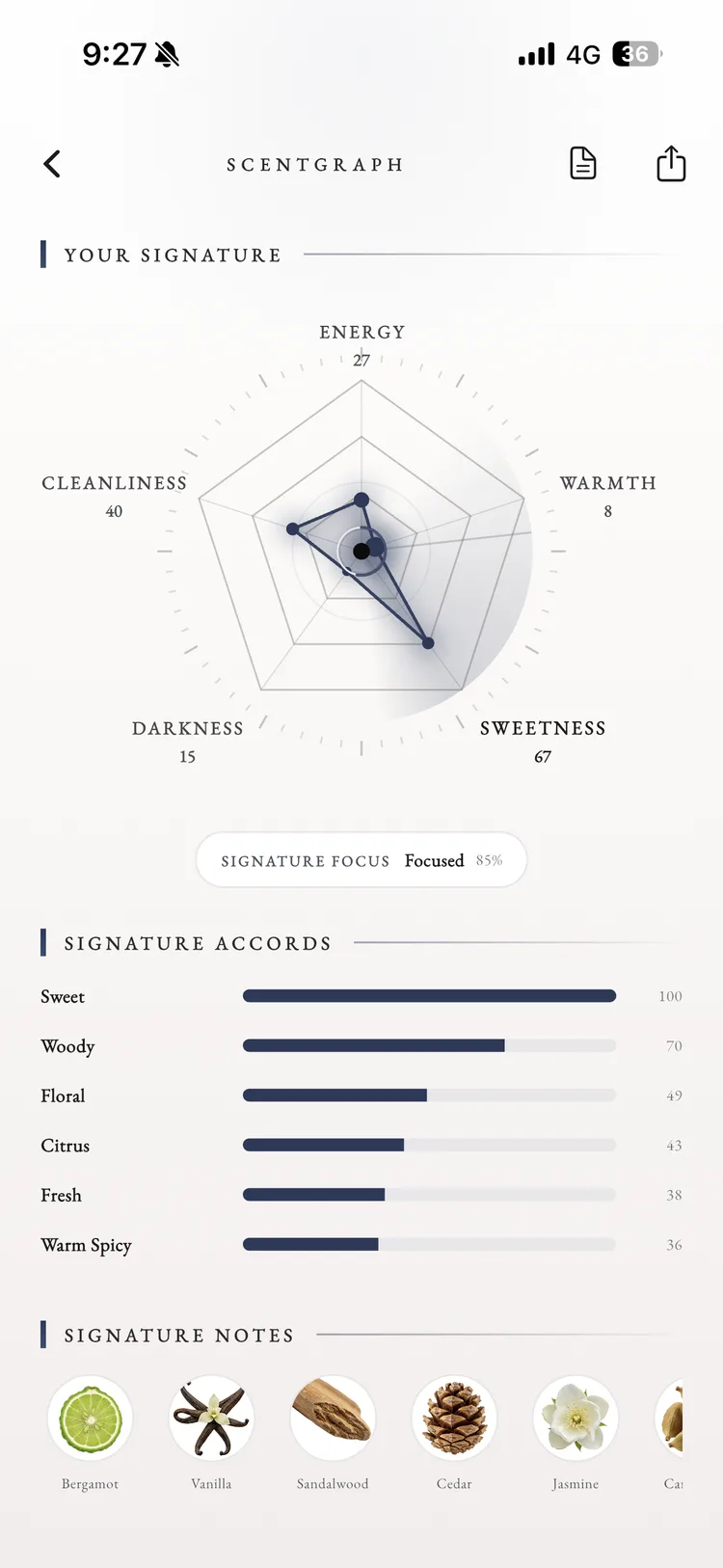
Six axes, woody, fresh, sweet, earthy, fruity and green, describing how a fragrance is perceived rather than what is inside it. Two perfumes can share a family and read nothing alike; the radar is where that shows.
The same shape is drawn for a person, which is how a match can come from a family you have never worn and still be right.
On screen: the signature view, where the same vocabulary is turned back on the wearer and the notes underneath are the ones doing the work.
How does the match score work?
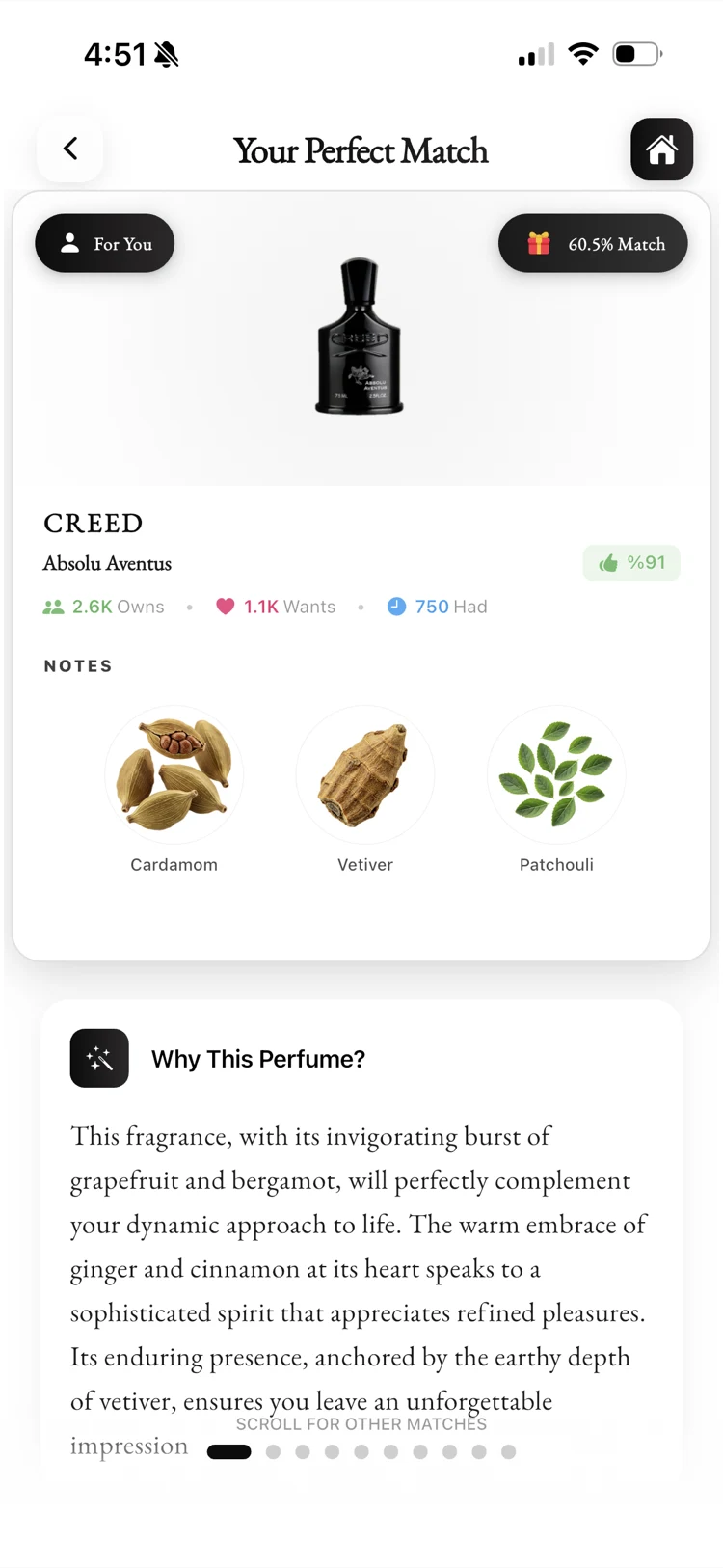
A match score is a compatibility percentage between one person's profile and one fragrance's structured profile. The profile comes from a twelve-question quiz, the notes and bottles you keep or reject, and an optional reading of a photo. A session returns forty to fifty ranked fragrances rather than a single verdict.
The number never travels alone. Every match arrives with a written reason naming the notes and accords behind it.


How does the Scent Lab know a composition will work?
Two models read the same formula from opposite ends. One reads structure: how the materials relate inside the graph, and whether the result is harmonious or new. The other predicts behaviour: how the blend evaporates, how stable it is, and how it moves over ninety days.
The two are reconciled into one recipe you can act on: materials and ratios, a volatility profile, an indicative cost, and plain language explaining the choices. What that recipe looks like when it leaves the app, page by page, is on the Scent Lab page.
First idea to finished formula in a single sitting.
Maceration, colour shift, storage and the oxidation risks worth designing around.
The recipe, the safety position and the cost analysis in one document a lab can quote against.
What does IFRA-aware mean?
Every Scent Lab formula is measured against the International Fragrance Association standards, currently Amendment 51, published in 2023. Materials over the limit for their product category are flagged, and the substances that have to be declared are listed with their concentrations.
This is a first pass, not a regulatory dossier. It keeps an obviously non-compliant formula from reaching a manufacturer. Putting a fragrance on sale still needs an independent safety assessment, and responsibility stays with the brand or the formulator.
How is the graph kept honest?
Three signals, checked continuously.
- 01Internal consistency
Pyramid, radar and family assignment have to agree across fragrances built the same way. Where they disagree, one of them is wrong.
- 02Perceptual ground truth
Outputs are checked against blind sniff panels and against published reviews from recognised noses.
- 03What happens in the app
When a high-scoring match keeps failing to land across many people, the entry behind it is revisited rather than defended.
Major updates cycle quarterly. Corrections and new releases ship more often, and the copy held on your phone refreshes with each app update.
Where does the data come from?
Public manufacturer disclosures, the standard industry references for family taxonomy, hand curation by the team in Tallinn, and direct relationships with niche houses and retailers.
- TaxonomyMichael Edwards' Fragrances of the World, cross-checked against the Société Française des Parfumeurs classification and the Wikipedia Fragrance Wheel entry.
- SafetyIFRA Standards, published at ifrafragrance.org, currently Amendment 51 (2023).
- RetailThe retail partnership with Fragrance Gallery Tallinn, which puts the graph next to the actual bottles.
- CurationHand curation and correction by the Fragnatique team at Appthos Studio OÜ in Tallinn.
The Scent Graph is a proprietary asset of Appthos Studio OÜ. Press, partner and academic enquiries about access or licensing can go through the support page or straight to [email protected].
The graph is easier to look at than to read about.
Reading about a map is the slow way to understand one. Open the app and watch your own redraw itself as you use it.