Writing this thread because I'm tired of every real oud claim I see in fragrance marketing. Most niche oud-flagged fragrances are mostly synthetic. The question I want to discuss honestly: can the average fragrance wearer actually tell the difference between real and synthetic oud, and if so, what's the simplest way to train your nose?
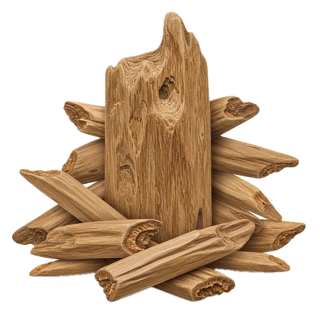 Oud
Oud
680 notes, each one browsable on its own
Every note discussed here has its own page in the app: what it smells like, which families use it, and which bottles in the catalogue lean on it hardest. Start from a note instead of a bottle and work outwards.
Open it on iOS7 answers
Most useful answer firstMost useful answer
Florist with thirty years experience and a deep oud habit. The difference is real and its dramatic, but it takes one careful side-by-side experience to lock in
Real oud (oudh, agarwood):
- Source: resinous wood from infected Aquilaria trees, distilled into oil. Very expensive (high quality oil starts at hundreds of euros per gram).
- Smell: animal, leathery, slightly sour, faintly fecal, sweet at the same time. Hindi ouds tend toward barnyard. Cambodian ouds tend toward sweet and fruity. Real oud is never one note. It develops in waves over hours.
Synthetic oud accords:
- Source: a combination of synthetic woody amber molecules (often Iso E Super, Cetalox, Norlimbanol, etc) with a small amount of real oud or oud reconstitution.
- Smell: clean, woody, slightly smoky, uniform across the wear. Sometimes called Western oud because Western noses tolerate it better than real Hindi.
How to train your nose:
- Get a small vial of a real Cambodian or Borneo oud oil from a reputable source (Ensar Oud, Agar Aura, or similar). One ml is plenty.
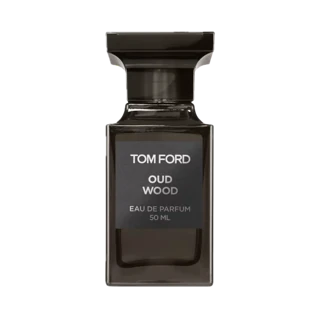
- Get a sample of a synthetic-oud niche fragrance. Tom Ford Oud Wood is the standard reference.
- Apply one drop of real oud on one wrist. Spray Oud Wood on the other.
- Sniff each every fifteen minutes for two hours.
Ull find that real oud is much more complex and changes more dramatically over time. Synthetic oud accords are more linear. Once uve done this exercise, ull hear the difference in any oud fragrance from then on.
Whether it matters to you is a separate question. Real oud is a different category of experience. Most people decide that polished synthetic oud is more wearable, especially in Western contexts. That's a reasonable decision
Adding the chemistry layer. Real oud's complexity comes from sesquiterpenes (dozens of them) at varying concentrations depending on the trees region, age, and infection. Synthetic oud accords usually use 5 to 10 individual molecules in proportions that approximate the dominant character.
The best synthetic oud accords (Givaudan's, Symrise's) get genuinely close to the dry-down of real oud. They cannot match the opening hour, where real oud's rough, animal, surprising character lives.
A useful heuristic: if a fragrance smells oud-like but never makes you flinch in the first five minutes, you're smelling synthetic. Real Hindi oud always asks something of the wearer in the opening
Indie perspective: many small Western perfumers are now buying small batches of real oud oil and using it directly in compositions. Bruno Fazzolari, Areej Le Doré, and a few others. These fragrances do feel different, even at niche prices.
A real oud-using indie release can run 250 to 500 EUR for a small bottle, which sounds expensive but is the real cost of the material.
Mumbai perspective. Real oud is the older, deeper conversation here than in most Western fragrance scenes. I grew up with the smell of Cambodian and Indian oud at family gatherings. When I moved to spray fragrances later, every oud niche release felt like a polite postcard of a place I knew well.
For someone serious about learning oud, I genuinely recommend buying from a Middle Eastern or South Asian distillery directly rather than through Western niche houses. The same euro spent goes much further on actual material quality
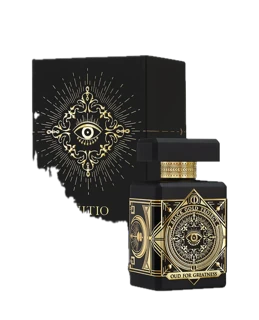
Honest framing for casual readers: most people who say they love oud actually love clean, polished, modern oud accords. That's fine. There's no obligation to climb the oud ladder all the way to real oil. Tom Ford Oud Wood, Mancera Aoud Vanille, Initio Oud for Greatness all use synthetic-leaning accords and they're all genuinely beautiful fragrances on their own terms.
The real oud rabbit hole is a different hobby. Worth knowing it exists, optional to pursue.
Two minor historical notes. The early Tom Ford Oud Wood batches (2007 to 2010) had a noticeably higher real oud content than current batches. Some of the is Oud Wood reformulated complaints in the last few years have been driven by reductions in the real oud content.
Also, oud as a Western fragrance trend is younger than people think. It was almost unknown in mainstream Western perfumery before the late 2000s. The full rise of the synthetic oud accord market is a 2010s and 2020s story.
Original asker. Best thread on this question I've seen anywhere. Pinning ayşes training method to my own recommendation lists going forward. Thanks all
- Initio Parfums Prives Oud for Greatness
- Tom Ford Oud Wood
Get personal answers inside the Fragnatique app.
Ask follow-ups, get a match score against your taste profile, and pull curated shortlists into your wishlist. The AI advisor lives where the conversation happens.