Perfumer biography3 perfumes on record, 1944 to 1948
Germaine Cellier : The Roure Perfumer Behind Bandit and Fracas
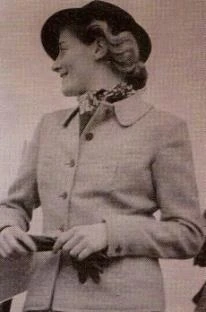
Known for3 works from the collection
IIn briefGermaine Cellier
Germaine Cellier was a French perfumer who lived from 1909 to 1976 and worked for Roure Bertrand Dupont, now part of Givaudan, and who made Bandit (1944) and Fracas (1948) for Robert Piguet, according to Robert Piguet, the Société Française des Parfumeurs (SFP) and the Osmothèque.
Robert Piguet calls Bandit "a perfumer's perfume", and the SFP says Cellier composed "à la façon d'un peintre", like a painter.
- 3perfumes on record
- 2houses
- 4years from 1944 to 1948
The file
- Born
- Bordeaux, 1909SFP; 1909Osmothèque
- Died
- June 1976SFP; 1976Osmothèque
- Trained
- Chemistry studies in Bordeaux and ParisSFP
- Company
- Roure Bertrand Dupont, from 1930Givaudan; manager of its Exarome studio from 1946SFP
- Known for
- Bandit1944, Cœur-Joie1946, Fracas1948
- Houses
- Robert Piguet, Pierre Balmain, Nina Ricci, Balenciaga and HermèsGivaudan
Key takeaways
Germaine Cellier was a French perfumer from Bordeaux, born in 1909, who joined Roure's composition laboratory in Neuilly in 1930, say the SFP and Givaudan.
Robert Piguet says Bandit, launched in 1944, was "a composition created by perfume icon, Germaine Cellier", and the SFP calls Bandit a leather chypre with 1% isobutyl quinoline.
Robert Piguet credits Cellier with Fracas, "1948 game-changer", a tuberose and jasmine perfume that Piguet says is in the Fragrance Foundation Hall of Fame.
The SFP says Cellier composed "like a painter", with short, very concise formulas, and held that perfumery has no rules and cannot be learned.
Givaudan's perfumery school named its class of 2025 the Germaine Cellier class, Industries Cosmétiques reported.
Which perfumes did Germaine Cellier create?
3 perfumes on record, 1944 to 1948, each on its plinth under its own light.
The three perfumes below run from Bandit (1944) to Fracas (1948). Robert Piguet names Cellier on its own pages; the SFP's portrait of Cellier and the Osmothèque give the rest.
Known for
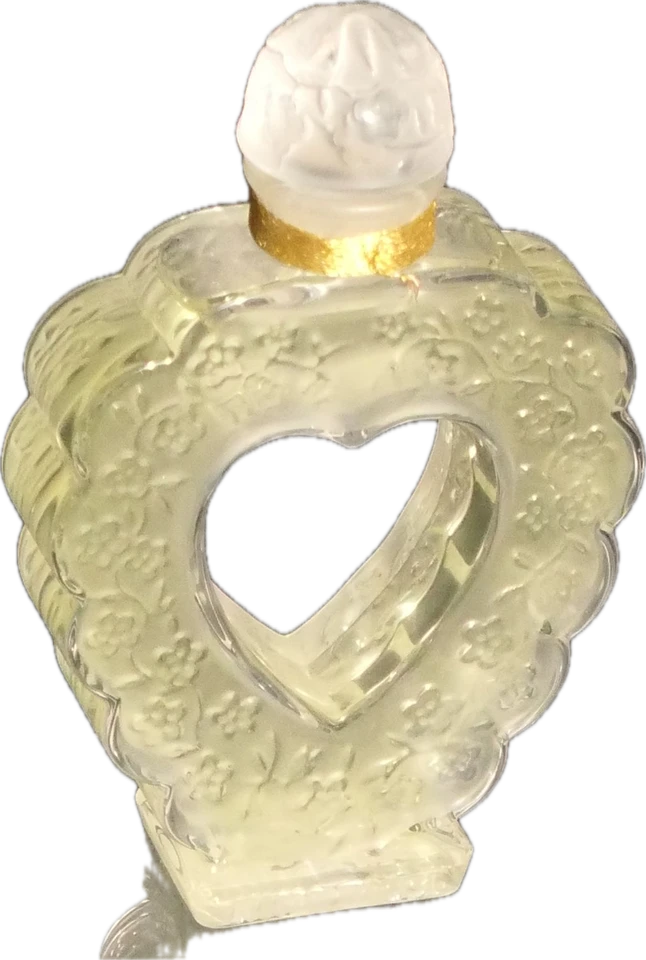
Cœur-Joie
Nina RicciProvenance
SFPyear: Wikipedia
Givaudan counts "a dozen historic perfumes" by Cellier for couture houses including Robert Piguet, Pierre Balmain, Nina Ricci, Balenciaga and Hermès. The SFP describes a green perfume for Pierre Balmain in 1945, a Balmain perfume of 1947 named after the couture house's telephone number, a Balenciaga perfume of 1949 that Cellier helped develop, a Balmain perfume of 1953 derived from Bandit, a Balmain men's line of 1964, and a scent for Hermès that gave the impression of freshly cut grass.
Robert Piguet's About page sums up the partnership: "Working with perfumer Germaine Cellier in the late '40s, it was Piguet's Bandit and Fracas that acted as the watershed to a new era in perfumery."
IIIClose-upsTwo perfumes up close

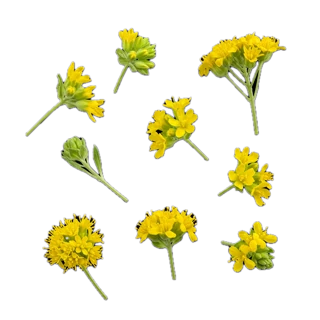


Close-up 01
Who made Bandit?
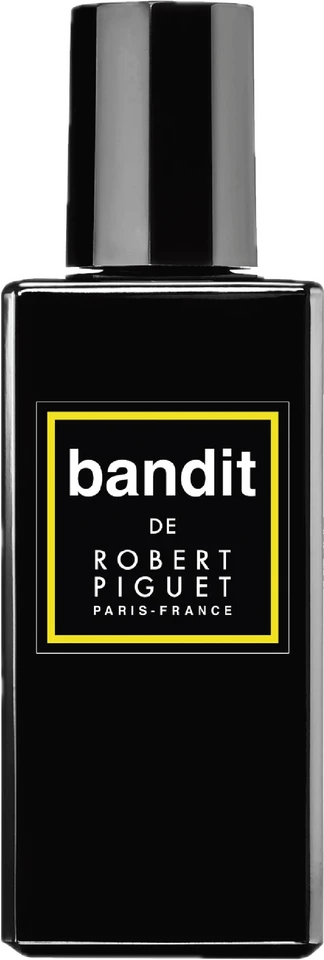
Germaine Cellier made Bandit. Robert Piguet says that in 1944 Piguet showed a couture collection on a "Bad Boy" theme, with models in villain masks, and that "the scent accompanying this air of avant-garde mischief was Bandit, a composition created by perfume icon, Germaine Cellier". The SFP and the Osmothèque also date Bandit to 1944.
The SFP says Piguet talked to Cellier of ships, corsairs and far-off adventures, and that Cellier answered with "un chypre cuir, fauve et sensuel", a leather chypre, wild and sensual, daring 1% isobutyl quinoline.
Credited by Robert Piguet, SFP, Osmothèque


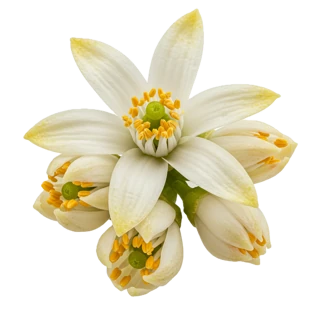
Close-up 02
Who made Fracas?
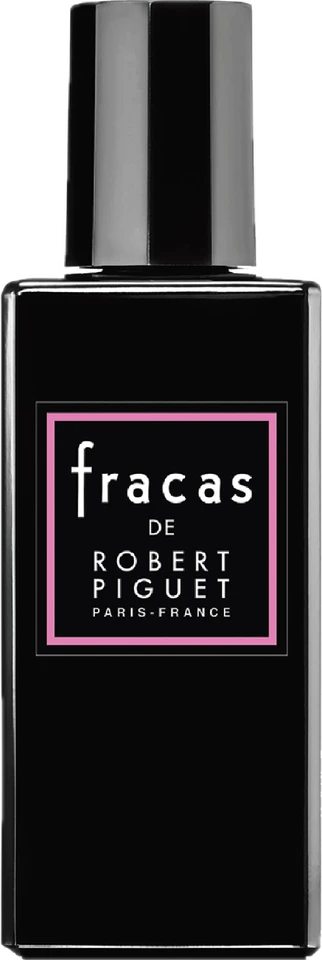
Germaine Cellier made Fracas. Robert Piguet calls Fracas the "1948 game-changer" of its collection and says that Cellier "sought to create a scent that would make its wearer feel like a bombshell; one that would leave an unsettling effect on everyone that encountered it".
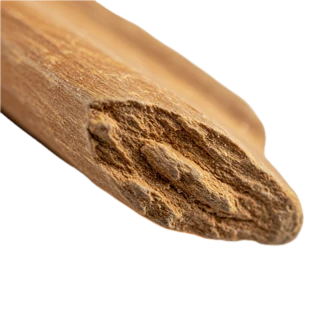
Piguet describes "opulent tuberose and jasmine accords" with "rich accents of sandalwood and delicate musk", and says Fracas holds a place in the Fragrance Foundation Hall of Fame. Fragnatique's profile of Dominique Ropion quotes Ropion calling Fracas "an icon" that a later tuberose had to hold its own against.
Credited by Robert Piguet
IVVoiceGermaine Cellier
What is Germaine Cellier's signature style?
Germaine Cellier wrote short formulas and bold perfumes. The SFP, in its portrait of Cellier, says Cellier composed "sans contrainte, sans préjugés, avec génie, à la façon d'un peintre": without constraint, without prejudice, with genius, like a painter.
"Sa palette c'est l'armoire à produits," the SFP writes: Cellier's palette was the cabinet of raw materials, and Cellier paired smells the way a painter pairs colours. The SFP calls the results "hardies, carrées, un peu brutes", bold, square and a little raw, and says Cellier carried Fauvism and abstraction into perfume and created "en dissonance". Cellier's formulas, the SFP adds, were "courtes, très concises".
Givaudan says the same in its own history: "the originality and classic simplicity of her formulas led to a dozen historic perfumes for famous couture houses".
The method had its critics. The SFP says Cellier held that perfumery is a gift, with no rules, that cannot be learned, a view that set Cellier against Jean Carles, whom the SFP calls the founder of the first training ground for perfumers. Fragnatique's guide to the Jean Carles method explains the other side.
Cœur-Joie shows the softer register. The SFP calls Cœur-Joie for Nina Ricci "un aldéhydé fleuri, racé", a refined floral aldehyde, and says Cellier worked with the artist Christian Bérard on the bottle. A heart-shaped Cœur-Joie flacon is on show at the Château de Chamerolles perfume museum, in a photograph on Wikimedia Commons.
VLife7 dated years, 1909 to 1976
How did Germaine Cellier become a perfumer?
Germaine Cellier came to perfume through chemistry. The SFP says Cellier studied in Bordeaux and then in Paris, where Cellier arrived in 1930 to study chemistry, and joined Roure Bertrand Dupont in the team of Jean Sfiras, sorting the fractions from the distillation of synthetic materials. Givaudan says Roure hired Cellier for its composition laboratory in Neuilly in 1930.
1909
Cellier is born in Bordeaux, says the SFP; the Osmothèque gives the same year.
1930
Roure hires Cellier for its composition laboratory in Neuilly, says Givaudan.
1943
Cellier spends three months on soap perfumery at Colgate-Palmolive, then returns to Roure to create, says the SFP.
1944
Cellier makes Bandit for Robert Piguet, say Piguet, the SFP and the Osmothèque.
1946
Cœur-Joie
Nina Ricci
Credited by SFP, year: Wikipedia
Cellier becomes manager of Exarome, Roure's studio in Neuilly-sur-Seine, says the SFP.
1948
Robert Piguet launches Fracas, says Robert Piguet.
1976
Cellier dies in June, says the SFP.
Afterword
At Exarome, the SFP says, Roure shot the first advertising film about perfume, with a text by the poet Louise de Vilmorin. Givaudan's perfumery school named its class of 2025 the Germaine Cellier class, Industries Cosmétiques reported in November 2025.
VIRecord
Where the accounts differ
The sources agree on Bandit and Fracas and differ on two dates.
01
Cellier's birth date
One account
26 January 1909 (SFP)
Another account
26 March 1909 (Wikipedia)
02
Year of Cellier's green perfume for Balmain
One account
1945, "the first green perfume" (SFP; Osmothèque)
Another account
1947
Wikipedia
Where this page stands
The SFP and the Osmothèque, the perfumers' society and the perfume archive, both give 1945 for the Balmain perfume.
VIICircleThe people around Germaine Cellier
Related perfumers
Three names in the sources above connect to Germaine Cellier's work.
In the story
Jean Carles
the teacher of perfumers whose rules, the SFP says, set Cellier at odds with Carles.
Studio and training
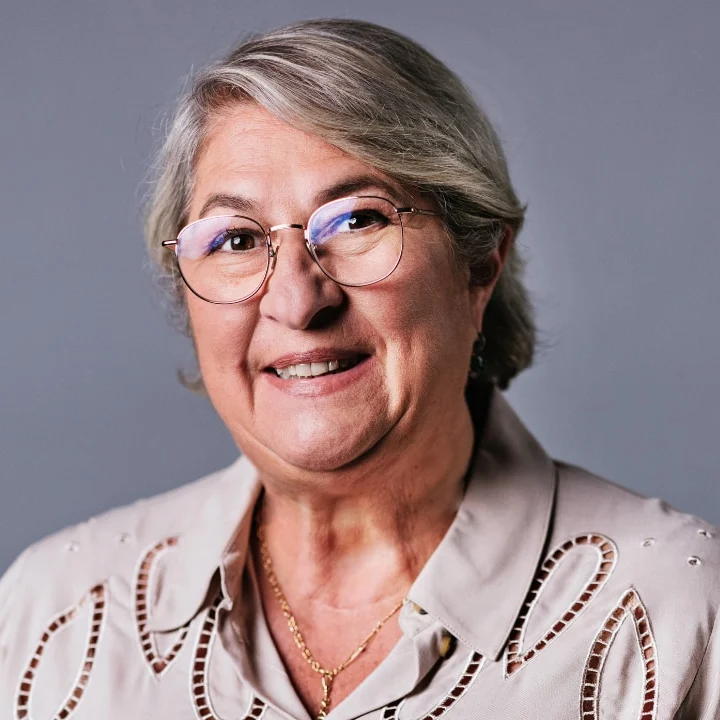
Calice Becker
director of the Givaudan perfumery school whose class of 2025 bears Cellier's name, Industries Cosmétiques reported.
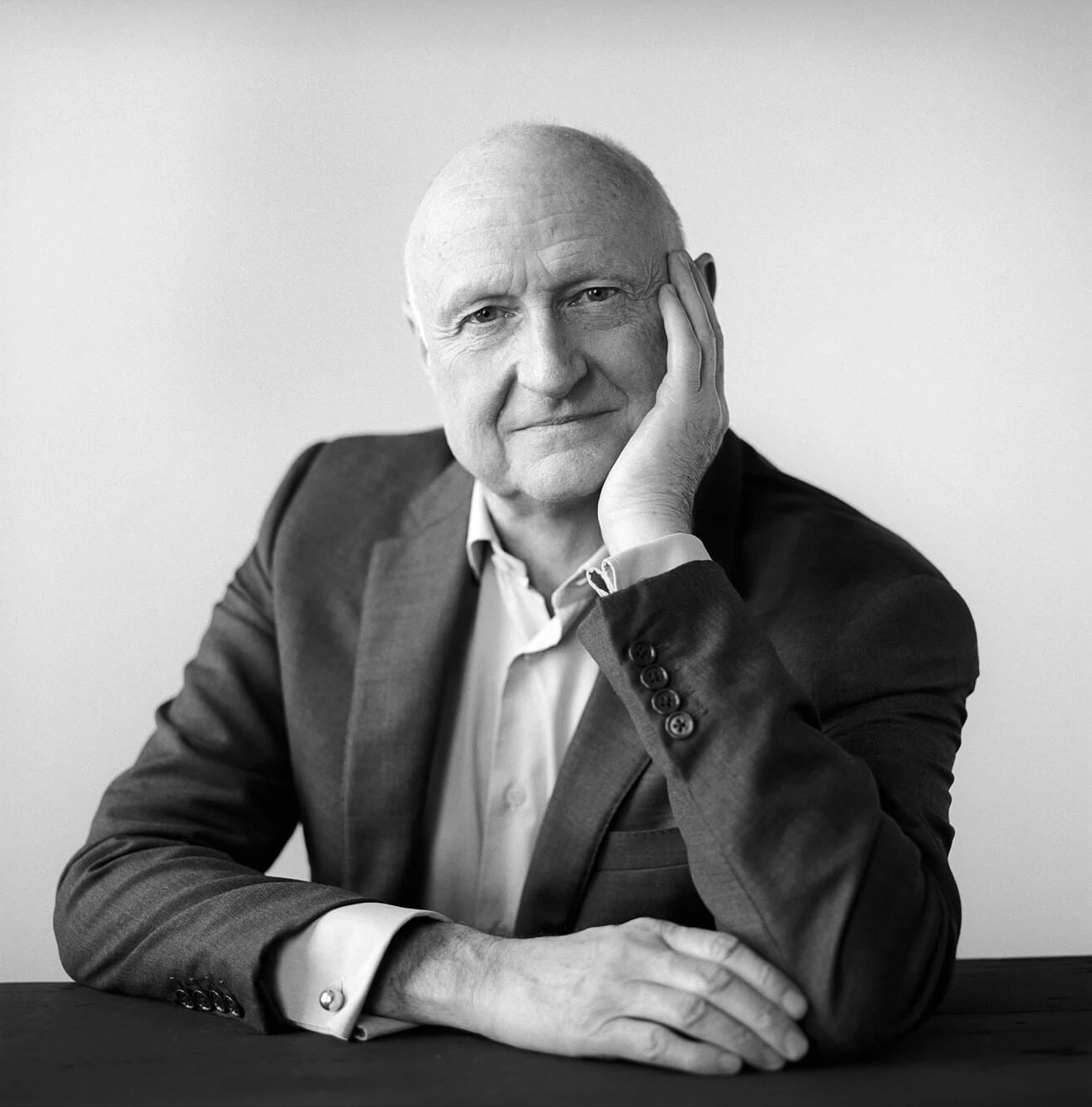
In the story
Dominique Ropion
called Fracas "an icon" in a 2015 interview with Vogue, as quoted in Fragnatique's Ropion profile.
VIIIQuestions5 short answers
Frequently asked
Who made Fracas perfume?
Germaine Cellier made Fracas for Robert Piguet, according to Robert Piguet, which calls Fracas the "1948 game-changer" of its collection. Piguet says Cellier "sought to create a scent that would make its wearer feel like a bombshell".
Who made Bandit perfume?
Germaine Cellier made Bandit for Robert Piguet in 1944, according to Robert Piguet, the Société Française des Parfumeurs (SFP) and the Osmothèque. The SFP describes Bandit as a leather chypre in which Cellier used 1% isobutyl quinoline.
Who was Germaine Cellier?
Germaine Cellier was a French perfumer born in Bordeaux in 1909 who died in June 1976, according to the SFP and the Osmothèque. Cellier worked for Roure Bertrand Dupont from 1930 and managed its studio Exarome from 1946, and made perfumes for Robert Piguet, Pierre Balmain, Nina Ricci, Balenciaga and Hermès, say Givaudan and the SFP.
When was Germaine Cellier's green perfume for Balmain made?
The SFP and the Osmothèque date Germaine Cellier's green perfume for Pierre Balmain to 1945, and the SFP calls it the first green perfume, daring 8% galbanum. Wikipedia dates the same perfume to 1947.
What perfumes did Germaine Cellier make for Nina Ricci?
The SFP credits Germaine Cellier with Cœur-Joie for Nina Ricci, "un aldéhydé fleuri" (a floral aldehyde), and says Cellier worked with Christian Bérard on the bottle. Wikipedia dates Cœur-Joie to 1946.
Part of Eau Facts, the Fragnatique team's series on fragrance history and science, also told in short videos on Instagram at @eaufacts. Researched from the sources named in the text, drafted with AI assistance and checked against each source before publishing.

Written by Fragnatique Team
Published
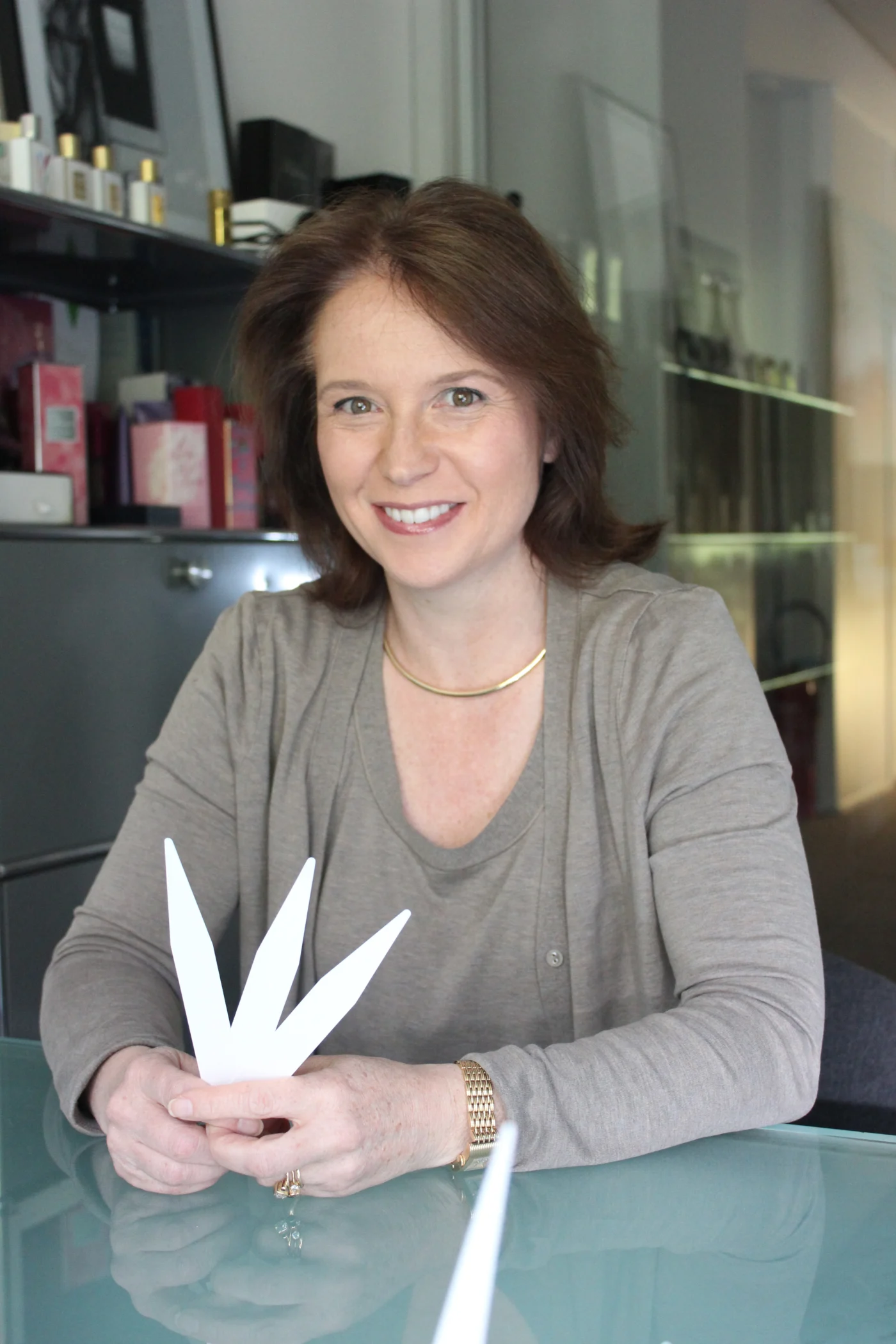
Picture credits Germaine Cellier: photograph from the Osmothèque's professional workshops catalogue, captioned with Cellier's name and the years 1909 to 1976. Bottle and note pictures: Fragnatique.