Perfumer biography7 perfumes on record, 1998 to 2011
Jean-Claude Ellena : Hermès's First In-House Perfumer and Terre d'Hermès
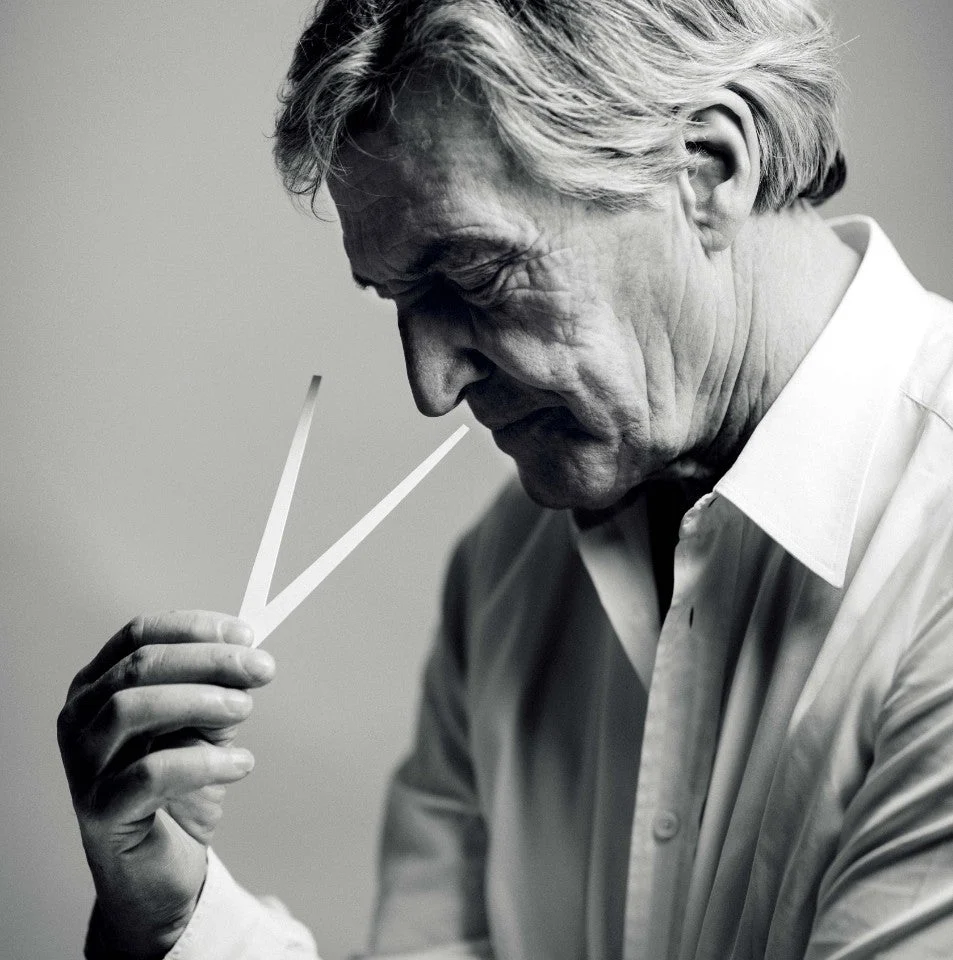
Known for3 works from the collection
IIn briefJean-Claude Ellena
Jean-Claude Ellena is a French perfumer from Grasse who became Hermès's exclusive in-house perfumer in 2004 and made Un Jardin sur le Nil (2005) and Terre d'Hermès (2006) for Hermès and L'Eau d'Hiver (2003) for Editions de Parfums Frédéric Malle, according to Pitti Immagine, The New Yorker and Now Smell This.
In June 2004, Jean-Claude Ellena took three small spray vials out of a sports-coat pocket in a Hermès meeting room in Pantin, set them on the conference table and handed two Hermès executives paper strips sprayed with each one, says The New Yorker's 2005 account by Chandler Burr. One of those three trials, labelled AD2, grew into Un Jardin sur le Nil.
- 7perfumes on record
- 3houses
- 13years from 1998 to 2011
The file
- Born
- Grasse, France, 1947Pitti Immagine
- First job
- Chiris, 1963Pitti Immagine
- Trained at
- The Givaudan perfumery school in Geneva, 1968Pitti Immagine
- Hermès
- First in-house perfumer, from 2004The New Yorker, 2005; Pitti Immagine
- Works at
- Le Couvent Maison de Parfum, Director of Olfactory Creation since 2019Le Couvent; Pitti Immagine
- Known for
- L'Eau d'Hiver2003, Un Jardin sur le Nil2005, Terre d'Hermès2006
- Books
- Le ParfumPresses universitaires de France, 2007; The Diary of a NosePenguin, 2012
Key takeaways
Jean-Claude Ellena became Hermès's exclusive in-house perfumer in 2004, says Pitti Immagine, and The New Yorker reported in 2005 that Ellena was the first perfumer Hermès had named to the post.
Terre d'Hermès was created by Jean-Claude Ellena, says Now Smell This, which reported in March 2006 that the official release was set for 4 March 2006.
The New Yorker followed Jean-Claude Ellena from Aswan to the finished Un Jardin sur le Nil (2005), a perfume built around the smell of green mangoes still on the tree.
Before Hermès, Jean-Claude Ellena made Déclaration for Cartier (1998) and L'Eau d'Hiver for Editions de Parfums Frédéric Malle (2003), according to Pitti Immagine's 2019 retrospective.
As of November 2026, Le Couvent Maison de Parfum names Jean-Claude Ellena its Director of Olfactory Creation, a role Pitti Immagine dates to 2019.
Which perfumes did Jean-Claude Ellena create?
7 perfumes on record, 1998 to 2011, each on its plinth under its own light.
The seven perfumes below run from Déclaration for Cartier (1998) to Un Jardin sur le Toit for Hermès (2011), and each one is credited to Jean-Claude Ellena by The New Yorker, Pitti Immagine, Now Smell This or The Globe and Mail. None of the sources names a co-author for these seven.
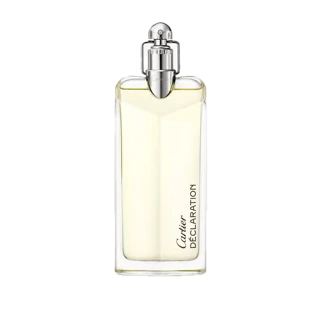
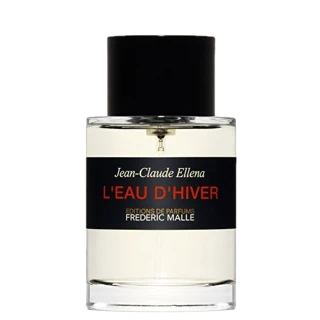
Known for
L'Eau d'Hiver
Editions de Parfums Frédéric MalleProvenance
The New YorkerPitti ImmagineNow Smell This
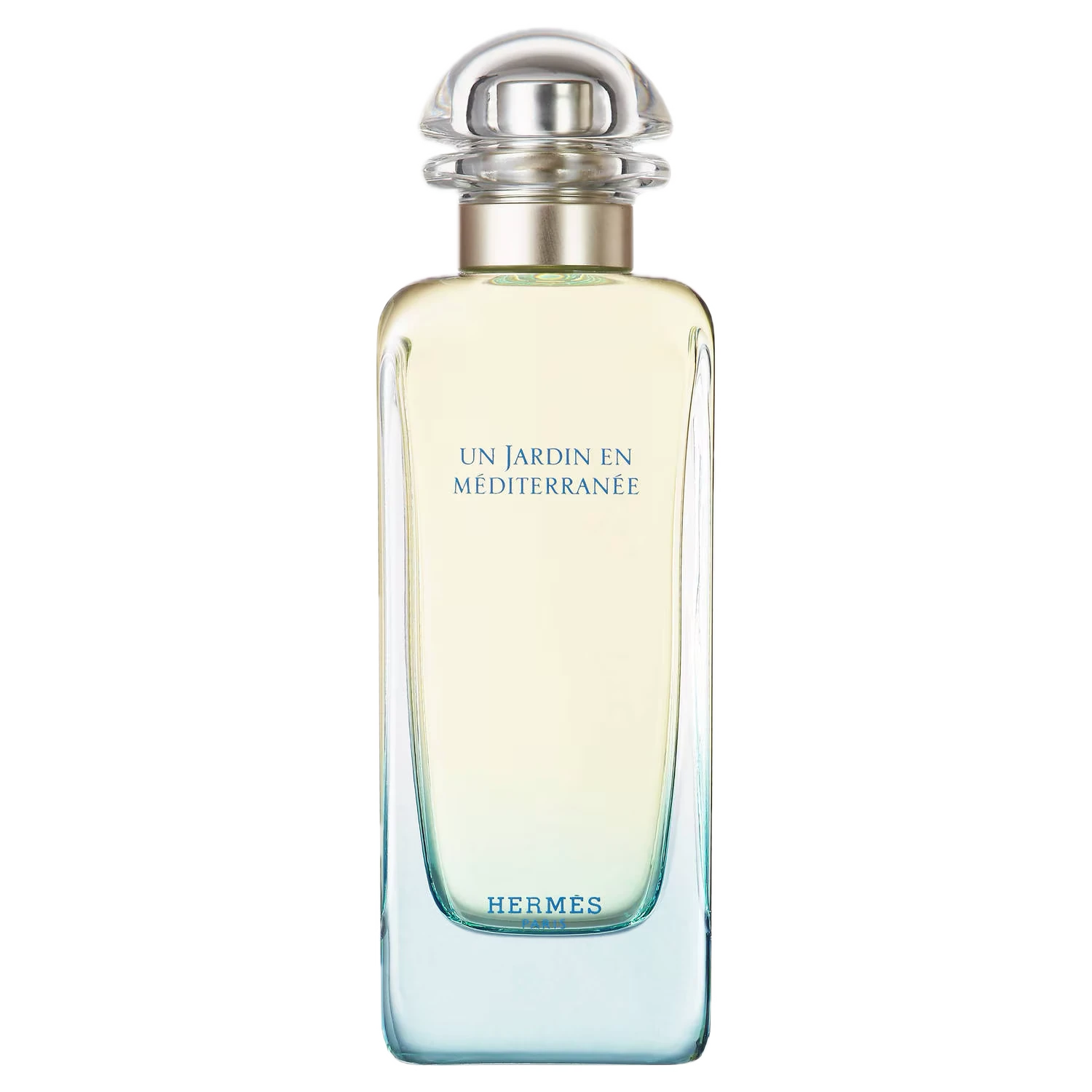
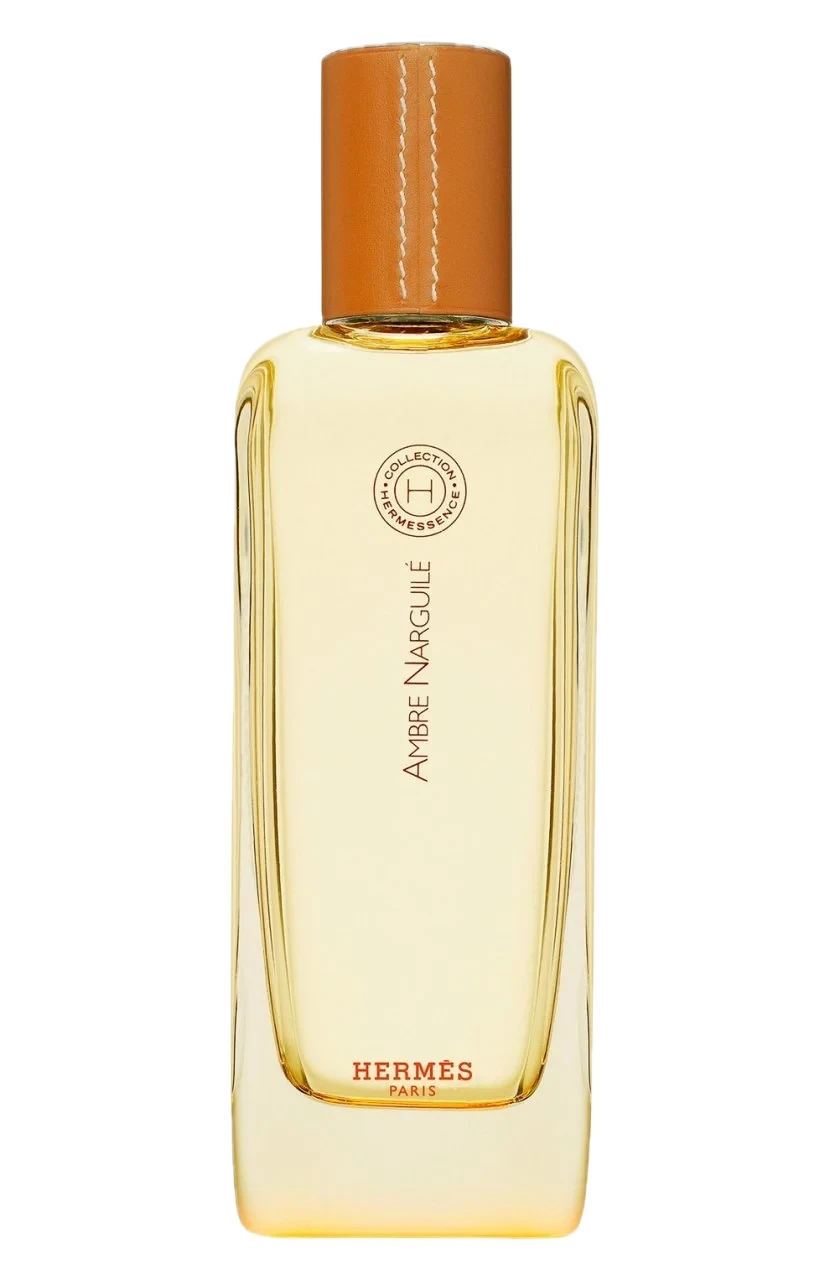
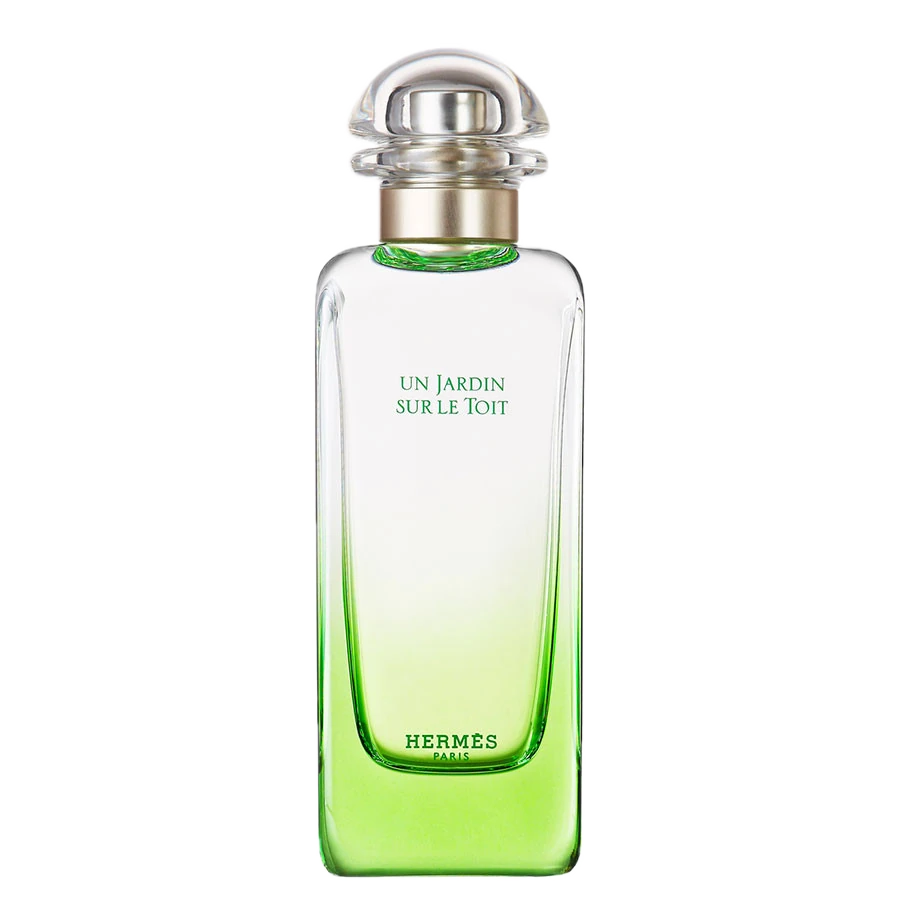
Pitti Immagine's 2019 retrospective covered fifteen works from Jean-Claude Ellena's career between 1976 and 2019, and Now Smell This keeps a longer list of Ellena's perfumes, from Sisley, Van Cleef & Arpels and Bvlgari to Hermès. The table keeps to the perfumes whose bottles this page can show.
Un Jardin en Méditerranée came first among the Hermès gardens. The New Yorker says the house's theme for 2003 was the Mediterranean Sea, that Jean-Claude Ellena won the brief while still working for Symrise, and that the scent was inspired by the Tunisian garden of Leïla Menchari, who designed the Hermès shop windows.
L'Eau d'Hiver was the last perfume Jean-Claude Ellena finished before Hermès, says The New Yorker. Ellena spent two years on the formula, which ended with twenty ingredients, "very few, for a perfume" in The New Yorker's words. Chandler Burr, who curated the 2019 retrospective for Pitti Immagine, called L'Eau d'Hiver "one of the medium's seminal works of Abstract Expressionism".
IIIClose-upsTwo perfumes up close
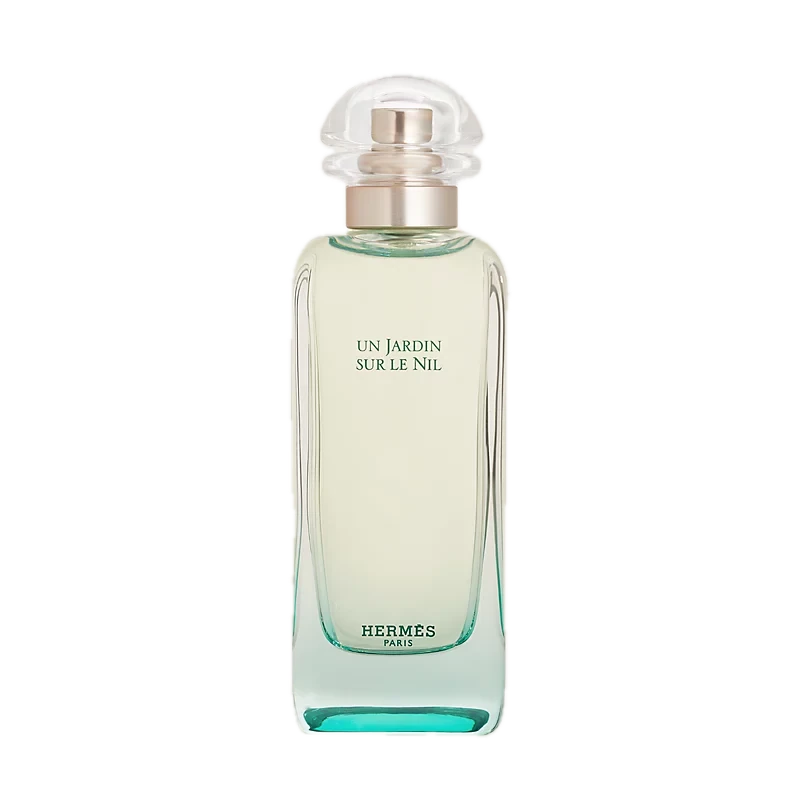

Close-up 01
Who made Un Jardin sur le Nil?
Un Jardin sur le Nil was created by Jean-Claude Ellena for Hermès in 2005, the year Hermès chose the river as its theme, says The New Yorker's March 2005 report by Chandler Burr. The whole brief was the title, which Véronique Gautier, then president of the Hermès perfume division, chose after consulting the Hermès chairman Jean-Louis Dumas Hermès, The New Yorker says.
In May 2004, Jean-Claude Ellena flew to Aswan with Véronique Gautier and Hélène Dubrule, the Hermès international-marketing director for perfume, The New Yorker reports. The Kitchener garden in Aswan had few flowers in bloom when the three visited. On a small island in the Nile, on the road to a Nubian village, Jean-Claude Ellena saw green mangoes hanging low in the trees and suggested that green mango could form the base of the perfume.
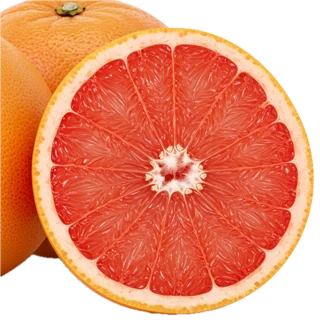
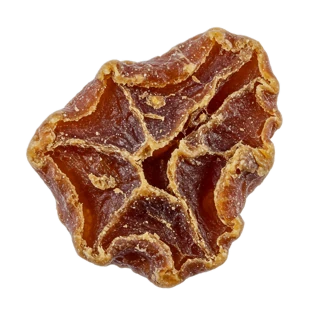
The New Yorker describes how Jean-Claude Ellena built the illusion: a natural bitter orange for the freshness of the mango, a synthetic grapefruit for its acidity, rosin, and carrot, which Dubrule had noticed in the mango in Aswan. Ellena later added neroli oil and other materials to make the mango stronger on skin. The trial that the two executives chose on skin in June 2004 was called AD2, and the formula Ellena finally presented that August was called A*.
Picasso said, 'Art is a lie that tells the truth.' That's perfume for me. I lie. I create an illusion that is actually stronger than reality.
The New Yorker says the Jardins collection was meant to be unisex, and that the bottle for Un Jardin sur le Nil was tinted green as a nod to the Aswan mangoes.
Credited by The New Yorker, Pitti Immagine, Now Smell This


Close-up 02
Who made Terre d'Hermès?
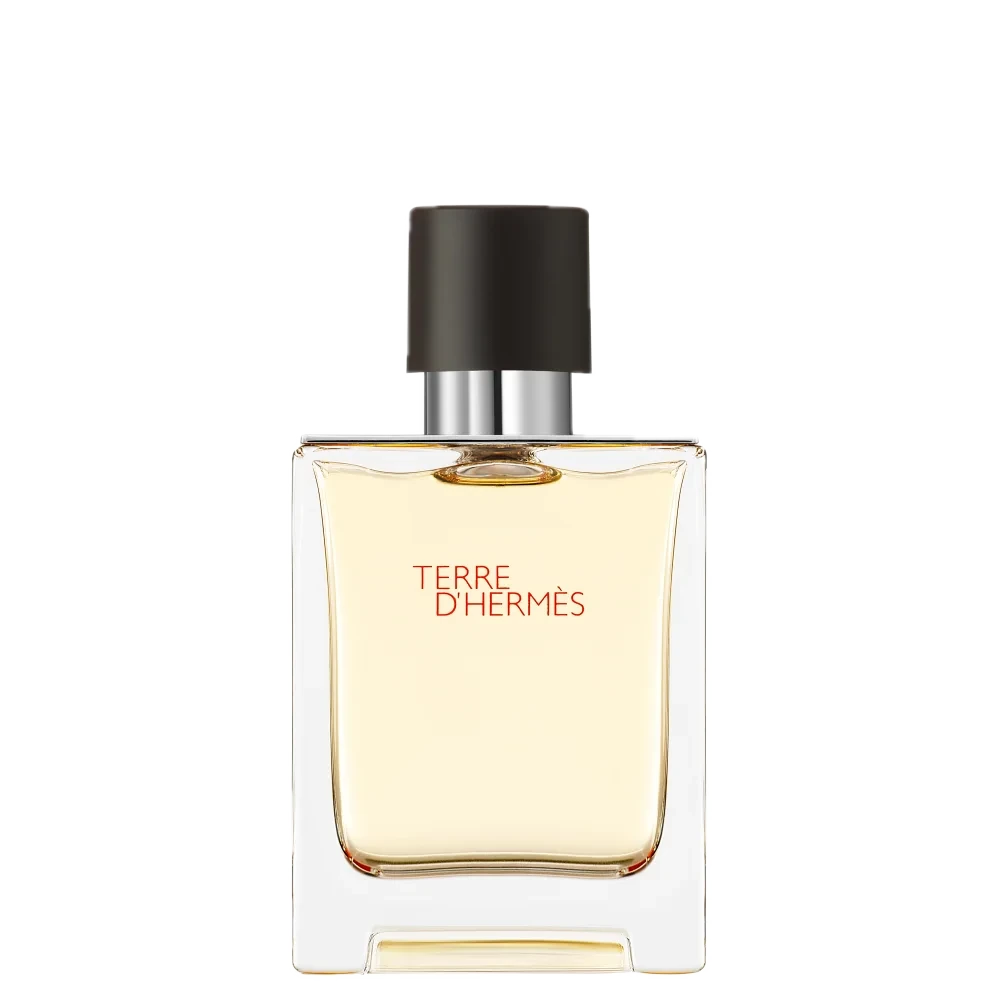
Terre d'Hermès was created by Jean-Claude Ellena for Hermès in 2006, says Now Smell This, which reported on 2 March 2006 that the official release was set for 4 March 2006. Pitti Immagine's 2019 biography of Jean-Claude Ellena also lists Terre d'Hermès among the perfumes Ellena created for Hermès.
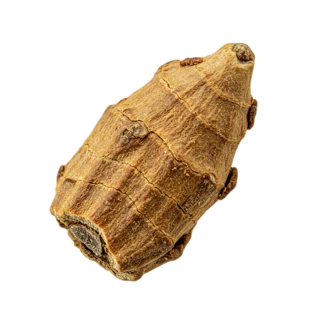
The description that Now Smell This quoted in 2006 gives Terre d'Hermès an orange formulated for Hermès by Albert Vieille, grapefruit and flint for a mineral note, with pepper, geranium, patchouli, benzoin and vetiver around a central note of Atlas cedar. Now Smell This called Terre d'Hermès "the first major fragrance release from Hermès since Ellena became the in-house nose".
Jean-Claude Ellena told The Globe and Mail in 2011 that some perfume ideas "are abstract and I need to transform that into a smell", and named "the blockbuster Terre d'Hermès" as the example. Asked by Marie Claire in 2014 for a favourite perfume, Jean-Claude Ellena answered: "I wear Terre d'Hermès." Terre d'Hermès also appears on Fragnatique's list of the longest lasting colognes for men.
Credited by Now Smell This, Pitti Immagine
IVVoiceIn Jean-Claude Ellena’s words
What is Jean-Claude Ellena's signature style?
With me, one plus one equals three. When I add two things, you get much more than two things.
Jean-Claude Ellena works with few materials and a clear idea, by the accounts of The New Yorker and of Ellena's own interviews. The New Yorker's Chandler Burr described Ellena in 2005 as "a minimalist in materials and a maximalist in thought", and reported that Ellena's first perfume, in 1976, used 160 ingredients while the last trial of Un Jardin sur le Nil used thirty.
The New Yorker watched Jean-Claude Ellena make the smell of chocolate from two paper strips, one dipped in a synthetic material and one in vanillin, and quotes Ellena: "For chocolate, nature uses eight hundred molecules. I use two." Ellena told Wallpaper in 2008: "I don't create from a brief but from an experience I live", and added that "creation means to try to build a road while walking."
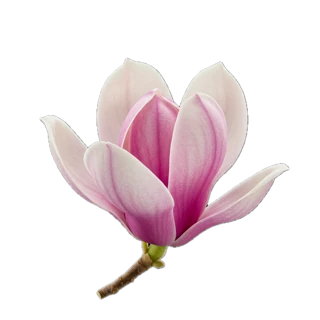
Jean-Claude Ellena described the Hermès gardens to The Globe and Mail in 2011 as "all light, luminous" and "very clear", "simple and sophisticated at the same time", and added: "This is my way of doing things." For Un Jardin sur le Toit, Ellena chose the pear, apple and magnolia trees of the Hermès rooftop garden at 24 Rue du Faubourg Saint-Honoré, says The Globe and Mail.
Fragnatique's guide to woody fragrances covers the family of cedar and vetiver, two of the notes in the 2006 description of Terre d'Hermès.
Notes in this chapter
VLife14 dated years, 1963 to 2019
How did Jean-Claude Ellena become a perfumer?
Jean-Claude Ellena was born in Grasse, says Pitti Immagine, and Marie Claire noted in a 2014 interview that Jean-Claude Ellena's father was a perfumer too. "My parents were desperate to put me somewhere, so they put me in the perfume industry at age 16," Jean-Claude Ellena told Marie Claire. The New Yorker says Jean-Claude Ellena began a career among perfume extraction machines as a teenager, extracting jasmine, under a boss with a doctorate in chemistry who taught Ellena the science of scent.
Jean-Claude Ellena named Edmond Roudnitska as Ellena's mentor in the same Marie Claire interview, and recalled that Roudnitska opened the door on their first meeting and said: "You stink. You smell like detergent. Come back tomorrow and maybe we can talk." Edmond Roudnitska also made the first Hermès perfume, in 1951 by Hermès's own account, as Fragnatique's story of the first Hermès perfume explains.
1963
Jean-Claude Ellena makes a debut at Chiris, says Pitti Immagine's 2019 biography.
1968
Jean-Claude Ellena joins the Givaudan perfumery school in Geneva, says Pitti Immagine.
1976
Jean-Claude Ellena makes a first perfume, with 160 ingredients, says The New Yorker.
1998
2003
L'Eau d'Hiver
Editions de Parfums Frédéric Malle
Credited by The New Yorker, Pitti Immagine, Now Smell This
2004
Hermès names Jean-Claude Ellena its first in-house perfumer, says The New Yorker, and Ellena rents back a former office at Symrise until Hermès provides a lab.
2005
2006
2007
Presses universitaires de France publishes Jean-Claude Ellena's Le Parfum in its Que sais-je? series, says Pitti Immagine.
2011
2012
Penguin publishes The Diary of a Nose, Jean-Claude Ellena's diary of a year as the Hermès perfumer, on 5 July, says Penguin.
2014
Christine Nagel starts at Hermès beside Jean-Claude Ellena in March, as Now Smell This reported in December 2013.
2016
Wallpaper reports in February that Jean-Claude Ellena is handing the Hermès post over to Christine Nagel.
2019
Pitti Immagine holds the first retrospective of Jean-Claude Ellena's career, curated by Chandler Burr, from 13 to 15 September.
Le Couvent Maison de Parfum names Jean-Claude Ellena its Director of Olfactory Creation, says Pitti Immagine.
Afterword
The Hermès statement that Now Smell This quoted in December 2013 said that the arrival of Jean-Claude Ellena in 2004 "marked the start of a new journey for Hermès". Wallpaper wrote in February 2016 that Jean-Claude Ellena's last Hermès Cologne used neroli oil in high concentration, and quoted Ellena: "When I started out as a perfumer I learned to distil raw materials, including orange blossom."
VIRecord
Where the accounts differ
The sources agree that Jean-Claude Ellena joined Hermès in 2004 and handed the post to Christine Nagel, and differ on how long Jean-Claude Ellena stayed and on how the Hermès collections fit together.
01
Length of the Hermès post
One account
Wallpaper (February 2016): "After ten years as in-house 'nose' at Hermès", Ellena was handing over to Christine Nagel
Another account
Pitti Immagine (2019): Ellena "remained for 14 consecutive years" from 2004
02
Where the Hermès gardens belong
One account
Pitti Immagine (2019): "the Un Jardin collection for the Hermessence range"
Another account
The New Yorker (2005): the Jardins as "a new Hermès collection", with the Hermèssences as a separate "luxurious new collection of scents"
Where this page stands
No Hermès page could be read for this profile, so the profile gives both accounts.
VIICircleThe people around Jean-Claude Ellena
Related perfumers
Two perfumers share a step in Jean-Claude Ellena's career in the sources above.
In the story
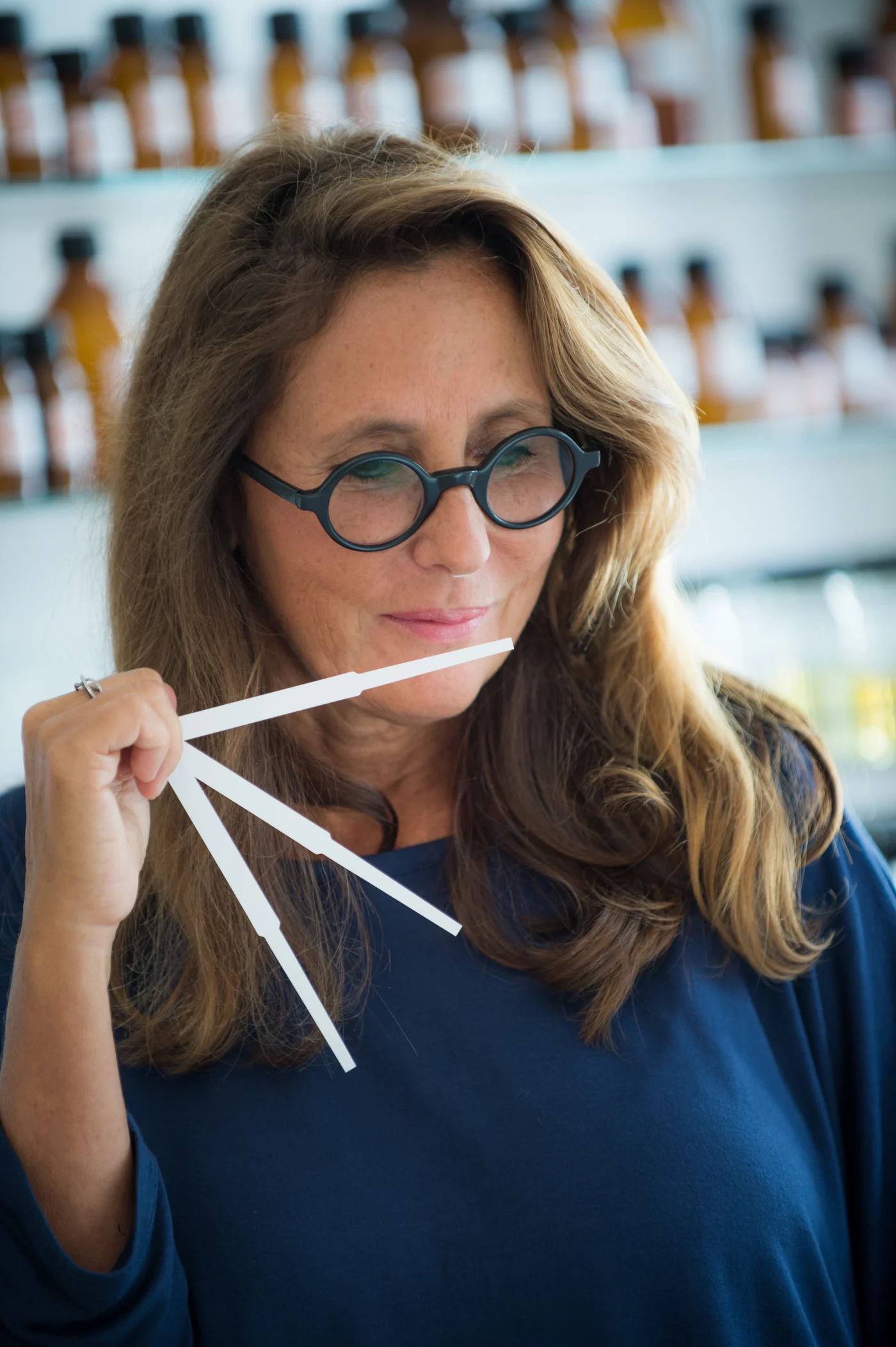
Christine Nagel
joined Jean-Claude Ellena at Hermès in 2014 and took over the post, according to Now Smell This, Wallpaper and The Week.
Studio and training
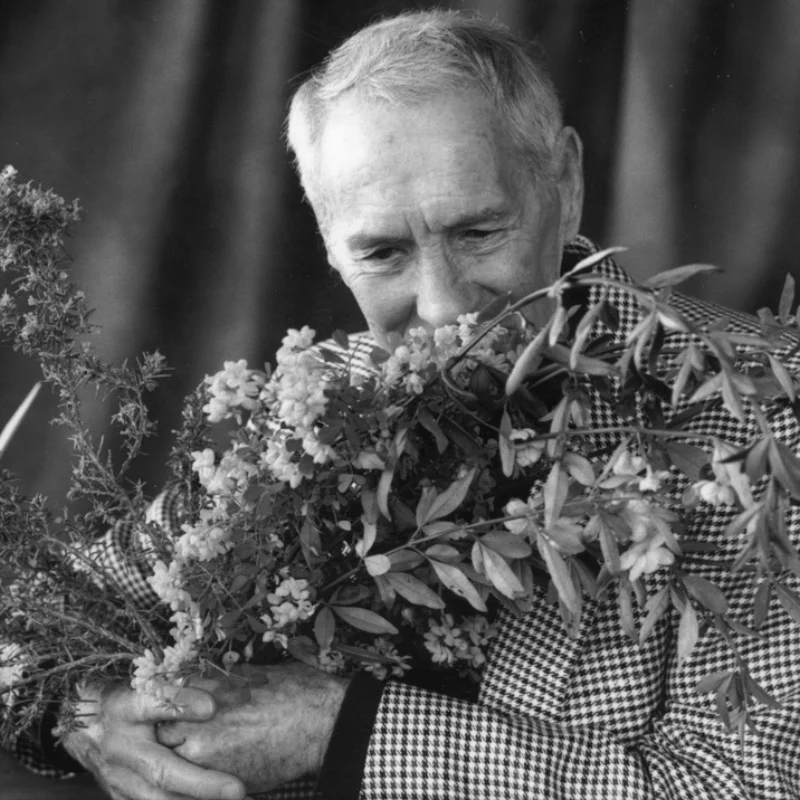
Edmond Roudnitska
the perfumer Jean-Claude Ellena named as a mentor in a 2014 interview with Marie Claire.
VIIIQuestions6 short answers
Frequently asked
Who created Terre d'Hermès?
Terre d'Hermès was created by Jean-Claude Ellena, Hermès's in-house perfumer, according to Now Smell This, which reported in March 2006 that Hermès had set the official release for 4 March 2006. Pitti Immagine's 2019 biography of Jean-Claude Ellena also lists Terre d'Hermès among Ellena's perfumes for Hermès.
Which perfumes did Jean-Claude Ellena make?
Perfumes credited to Jean-Claude Ellena include Déclaration for Cartier (1998), L'Eau d'Hiver for Editions de Parfums Frédéric Malle (2003), and Un Jardin en Méditerranée (2003), Ambre Narguilé (2004), Un Jardin sur le Nil (2005), Terre d'Hermès (2006) and Un Jardin sur le Toit (2011) for Hermès, according to Pitti Immagine, The New Yorker, Now Smell This and The Globe and Mail.
Which books did Jean-Claude Ellena write?
Jean-Claude Ellena wrote Le Parfum for the Que sais-je? series of Presses universitaires de France (2007), a diary published in English as The Diary of a Nose (2011, with a Penguin edition in 2012), the novel La Note Verte (2013), L'Écrivain d'odeurs (2017) and The Fabulous History of Eau de Cologne (2019), according to Pitti Immagine and Penguin.
Which Frédéric Malle perfumes did Jean-Claude Ellena make?
Jean-Claude Ellena made L'Eau d'Hiver (2003) for Editions de Parfums Frédéric Malle, according to Pitti Immagine and The New Yorker, which says Ellena spent two years on a formula of twenty ingredients. Pitti Immagine's 2019 press kit says Ellena also presented a new perfume for Editions de Parfums Frédéric Malle at Pitti Fragranze in September 2019.
Who made Un Jardin sur le Nil?
Un Jardin sur le Nil was created by Jean-Claude Ellena for Hermès, for the house's 2005 theme of the river, says The New Yorker's March 2005 report by Chandler Burr, which followed Ellena to Aswan and through each trial of the formula.
Is Jean-Claude Ellena still the Hermès perfumer?
No. Wallpaper reported in February 2016 that Jean-Claude Ellena was handing over to Christine Nagel at Hermès, and as of November 2026 Le Couvent Maison de Parfum names Jean-Claude Ellena its Director of Olfactory Creation, a role Pitti Immagine dates to 2019.
Part of Eau Facts, the Fragnatique team's series on fragrance history and science, also told in short videos on Instagram at @eaufacts. Researched from the sources named in the text, drafted with AI assistance and checked against each source before publishing.

Written by Fragnatique Team
Published
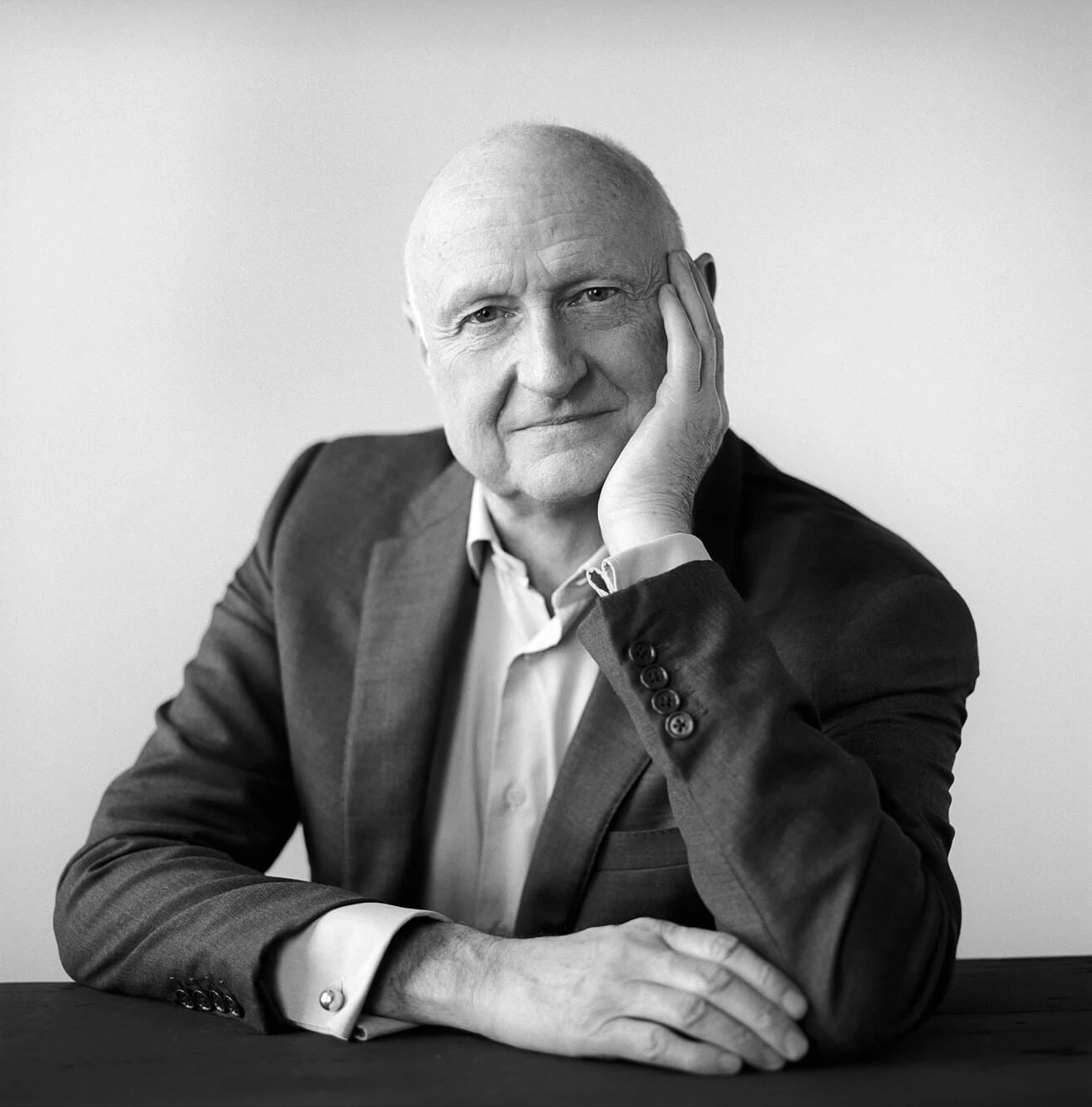
Picture credits Jean-Claude Ellena: photograph from Le Couvent Maison de Parfum. Bottle and note pictures: Fragnatique.