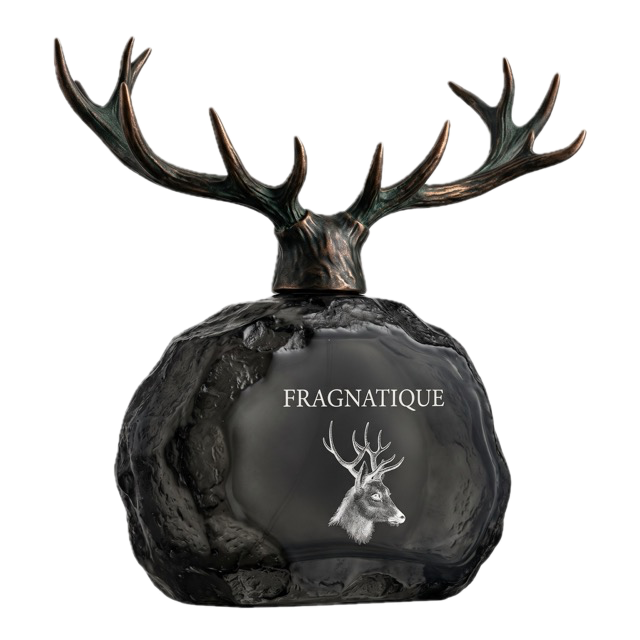
Woody fragrances
Cedar, sandalwood, oud and vetiver, worn close to the skin.
Woody fragrances are perfumes built around dry, warm wood notes, principally cedar, sandalwood, oud, vetiver and cypress, that give a scent its backbone and its long, skin-close finish. Woods almost always sit in the base of a composition rather than the heart, which is why "woody" can describe a clean, pencil-shaving cedar just as easily as a dense, smoky oud. Woody fragrances read as grounded, polished and quietly confident, and woody is one of the six axes on the Fragnatique accord radar alongside fresh, sweet, earthy, fruity and green.
For a buyer, woody is the safest place to start when you want something that lasts, projects with restraint and rarely smells juvenile. The pillars almost everyone meets first are Tom Ford Oud Wood, Le Labo Santal 33 and Creed Royal Oud, and the Fragnatique app profiles all three down to their notes pyramid and accord radar, so you can tell a creamy sandalwood from a vetiver bite before you ever spend on a bottle.
What defines a woody fragrance
Structurally, a woody fragrance is anchored by base-note woods that resist evaporation, so the family is defined less by a loud opening than by how it settles after the first hour. Cedar reads dry and pencil-like, sandalwood turns creamy and milky, oud goes resinous and animalic, and vetiver and cypress bring a green, rooty coolness. On skin these notes hum quietly rather than radiate, giving moderate sillage and excellent longevity. The opening usually borrows brightness from citrus, spice or florals, then the wood emerges as everything else burns off.
- Cedar, the dry, sharp, pencil-shaving wood that gives most modern woody scents their clean backbone
- Sandalwood, prized for a creamy, milky, almost lactonic warmth that feels soft and skin-like
- Oud (agarwood), the dense, resinous, animalic wood at the heart of Middle Eastern perfumery and most luxury woody releases
- Vetiver, a grassy root that smells green, earthy and faintly smoky, bridging woody into earthy territory
- Cypress and other coniferous woods, contributing a cool, resinous, evergreen edge
- Iso E Super and ambroxan, the synthetic woody-amber molecules behind the velvety, transparent woods of many contemporary scents
- Guaiac wood, smoky and faintly tarry, the note behind woody fragrances that read like a warm campfire
- Papyrus (cypriol), dry, inky and smoky, used where a heavier smoke note would overwhelm the blend
- Birch tar, the sooty, leathery wood distillate behind smoky woody accords such as Creed Aventus
- Cashmeran, a soft musky-woody synthetic that gives contemporary woods their velvety, skin-close texture
- Australian sandalwood, the species that replaced scarce Indian Mysore sandalwood in most creamy woody bases
- Agarwood accord, the stylised oud reconstruction used in most Western releases in place of distilled oud oil
Iconic woody fragrances
A starting shortlist of widely respected woody fragrances, from mainstream pillars to niche. Open any of them in Fragnatique to see the full notes pyramid and your personal match score.
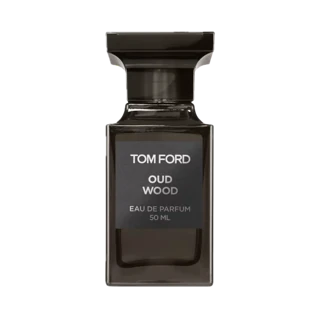 Tom Ford Oud Woodthe benchmark accessible oud, smooth and spiced rather than medicinal
 Le Labo Santal 33the defining modern sandalwood, dry and smoky with a cult following
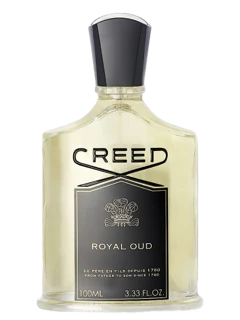 Creed Royal Ouda refined cedar and oud blend that made luxury oud approachable in the West
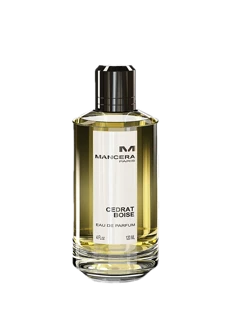 Mancera Cedrat Boisea citrus-topped cedar powerhouse beloved for value and projection
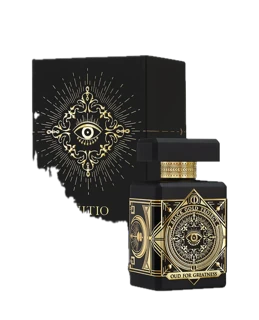 Initio Parfums Prives Oud for Greatnessa bold saffron-laced oud that typifies the spicy-woody crossover
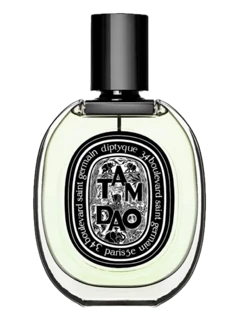 Diptyque Tam Daoa soft, meditative cedar and sandalwood that defines the gentle end of the family
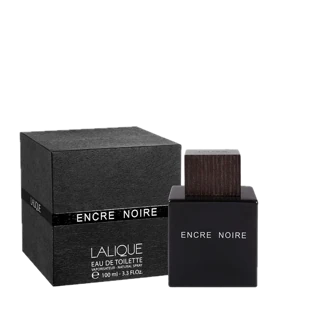 Lalique Encre Noirea dark, austere vetiver and cypress reference for the green woody style
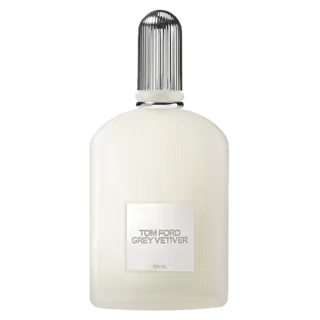 Tom Ford Grey Vetivera clean, polished vetiver that shows the crisp, office-ready side of woods
- Hermes Terre d'Hermesan iconic cedar and vetiver with a mineral, citrus-flecked signature
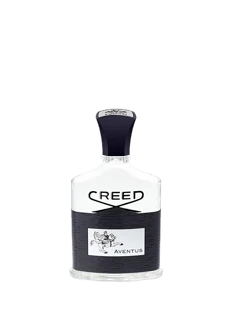 Creed Aventusa fruity-smoky woody anchored by birch and oakmoss that became a cultural staple
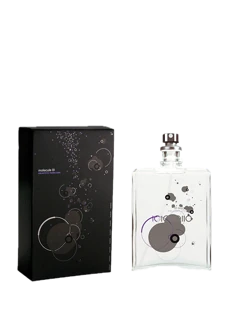 Escentric Molecules Molecule 01pure Iso E Super, the minimalist transparent-wood phenomenon
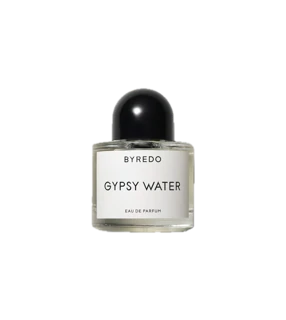 Byredo Gypsy Watera fresh pine, sandalwood and incense take on a wearable woody
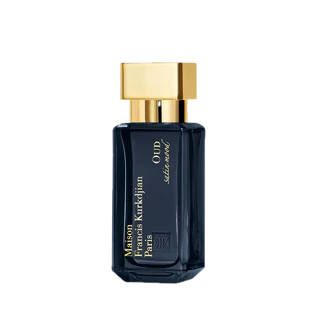 Maison Francis Kurkdjian Oud Satin Mooda lush rose and oud that bridges woody into opulent resinous territory
- Chanel Sycomorea smoky, sophisticated vetiver regarded as a niche-quality designer woody
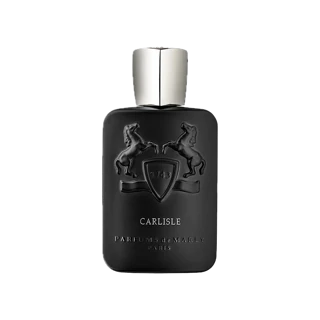 Parfums de Marly Carlislea spicy woody-amber crowd-pleaser with strong cedar and oud presence
- Serge Lutens Santal Majusculea creamy sandalwood and rose that showcases the gourmand-leaning woody
Not sure which woody is yours?
Fragnatique scores every fragrance against your personal taste profile and explains the reasoning behind each match. Find your fit in minutes.
Frequently asked
- What are woody fragrances?
- Woody fragrances are perfumes built around wood notes such as cedar, sandalwood, oud, vetiver and cypress, which usually sit in the base and give a scent its warmth, depth and long-lasting finish. They range from clean and dry, like pencil-shaving cedar, to rich and smoky, like oud. Woody is one of the most popular and versatile fragrance families for both men and women.
- What is oud, and why is it expensive?
- Oud, also called agarwood, is the dark resinous wood produced when Aquilaria trees are infected by a mould, and it is one of the most expensive raw materials in perfumery because the resin forms in only a small fraction of trees. In Western releases oud is usually a stylised accord rather than distilled agarwood oil, which is why Tom Ford Oud Wood and Creed Royal Oud smell smoother and less medicinal than a traditional attar. Oud sits in the base of a composition, so an oud fragrance is judged by its dry-down and commonly lasts eight hours or more.
- Are woody fragrances better for summer or winter?
- Woody fragrances are at their best in autumn and winter, when cool air keeps heavy base woods from turning dense. Dry, transparent woods still work in heat: cedar, vetiver, and Iso E Super compositions such as Tom Ford Grey Vetiver and Escentric Molecules Molecule 01 stay wearable through summer. Creamy sandalwood and smoky oud are the ones to save for cold weather, since warm skin pushes them from rich to heavy.
- What is the best woody fragrance for beginners?
- Tom Ford Oud Wood and Le Labo Santal 33 are the usual starting points because they are smooth, balanced and broadly liked. Oud Wood offers a gentle, spiced introduction to oud, while Santal 33 delivers a dry, creamy sandalwood that works in almost any setting. Both are versatile, easy to wear and instantly recognisable as polished woody scents.
- Do woody fragrances last a long time?
- Yes. Because wood notes are heavy base molecules that evaporate slowly, woody fragrances are among the longest-lasting families, commonly wearing eight hours or more. Oud and sandalwood compositions in particular cling to skin and clothing well into the next day. Projection is usually moderate and intimate rather than loud, so they last close to the skin rather than filling a room.
- Are woody fragrances for men or women?
- Woody fragrances are genuinely unisex. Cedar and vetiver lean crisp and are common in men's releases, while creamy sandalwood and rose-oud blends are widely worn by women, yet none of these belong to one gender. Many modern pillars, including Le Labo Santal 33 and Maison Francis Kurkdjian Oud Satin Mood, are marketed and worn across the board.
- What is the difference between woody and resinous fragrances?
- Woody fragrances are led by wood notes (cedar, sandalwood, oud, vetiver), while resinous fragrances are led by warm, sticky materials like amber, labdanum, benzoin and tobacco. The two overlap constantly: oud and sandalwood often share a base with amber. As a rule, if dry wood dominates the dry-down it is woody, and if sweet, balsamic warmth dominates it is resinous.
Prefer the narrative version? Read the full fragrance families guide, or browse the complete fragrance catalogue.