Who Owns Tom Ford? The Estée Lauder Deal Explained
Estée Lauder became sole owner of the Tom Ford brand on 28 April 2023, in a deal valuing it at $2.8 billion, filings show; Zegna and Marcolin hold licenses.
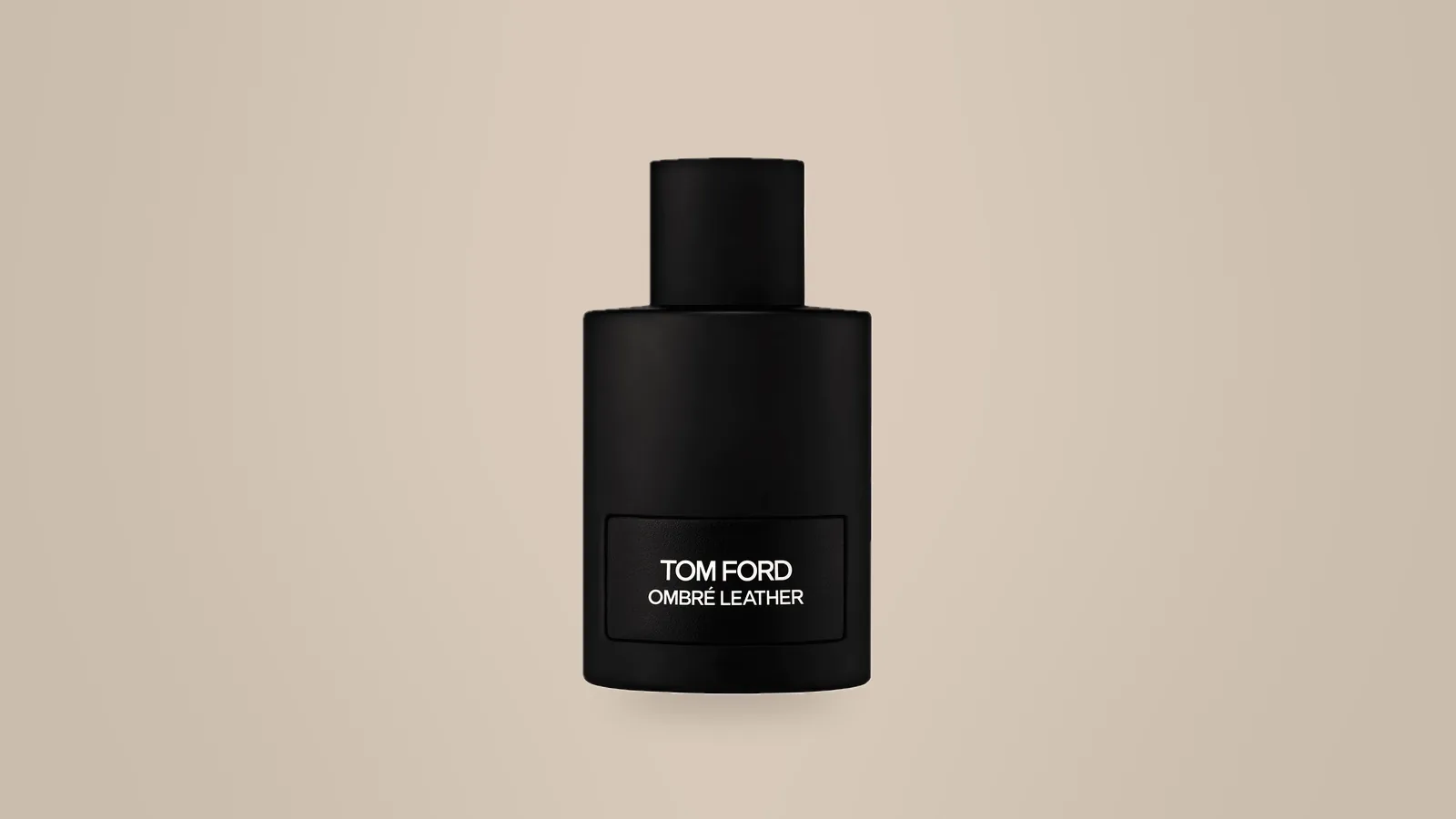
- 01The Estée Lauder Companies has been the sole owner of the TOM FORD brand and all its intellectual property since its purchase closed on 28 April 2023.
- 02The deal valued the whole enterprise at $2.8 billion; Estée Lauder paid about $2.25 billion at closing and $300 million later, by its releases and 10-K.
- 03Zegna makes TOM FORD fashion and Marcolin makes TOM FORD eyewear, both under licenses from Estée Lauder, which collects a sales-based royalty from each.
- 04Estée Lauder signed the TOM FORD BEAUTY license in 2005; Black Orchid, the first fragrance, arrived in November 2006, its 2007 annual report says.
- 05Haider Ackermann became creative director of TOM FORD on 4 September 2024; the sale agreement had kept the founder on as creative visionary through 2023.
Tom Ford belongs to a beauty company. The Estée Lauder Companies (ELC) became sole owner of the brand and all its intellectual property on 28 April 2023, its closing release says. Zegna makes the clothes and Marcolin the glasses, each under a license from Estée Lauder. The $2.8 billion figure was the value of the whole deal, not the price ELC paid.
Who owns Tom Ford?
The Estée Lauder Companies, a beauty group based in New York, owns the brand outright. That covers the name, the trademarks and the rest of its intellectual property. It agreed to buy on 15 November 2022, in an announcement filed with the SEC, and completed the purchase on 28 April 2023. A later release from the brand put the result in one sentence:
In 2023, The Estée Lauder Companies became the sole owner of the TOM FORD brand and all its intellectual property.
TOM FORD, release on the appointment of Haider Ackermann, 4 September 2024
Nothing in the record has changed since. As of 23 October 2026, ELC's TOM FORD brand page calls the company the sole owner of the brand. Its annual report for the year to 30 June 2026, dated 19 August 2026, describes ELC as "the current owner and steward of the brand". Marcolin's TOM FORD page says the same.
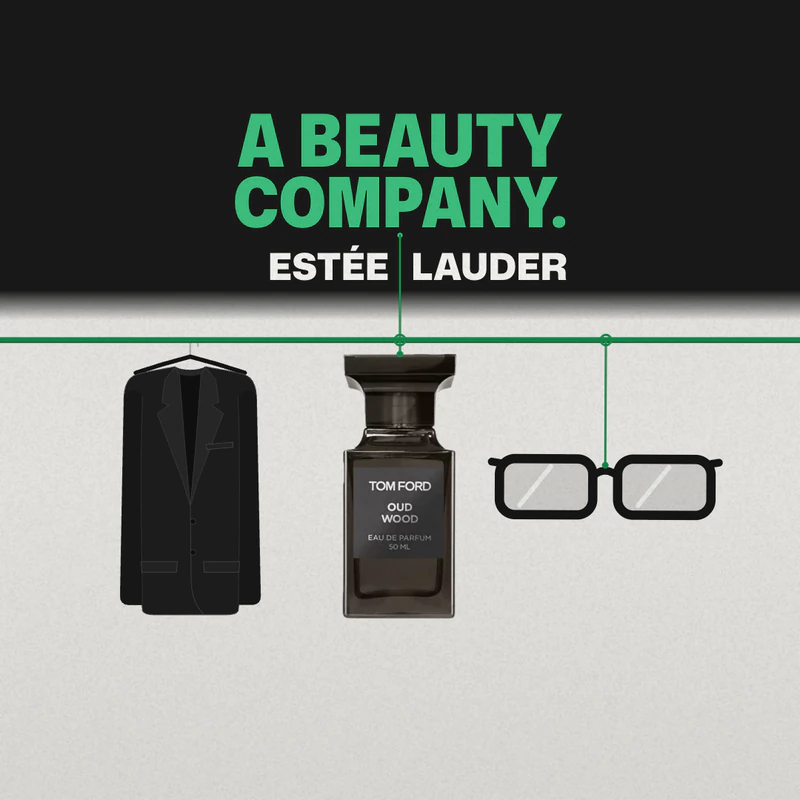
The name also appears on clothes and glasses, and two other companies make those under license. Zegna goes further: it owns Tom Ford International LLC, which its closing release calls "the company that owns and operates the TOM FORD fashion business". The trademark that business sells under stays with Estée Lauder.
| Part of the brand | Owner or licensee | Since | Source |
|---|---|---|---|
| TOM FORD name, trademarks and other intellectual property | The Estée Lauder Companies, owner | 28 April 2023 | ELC and Zegna closing releases |
| TOM FORD BEAUTY: fragrance, makeup, skin care | The Estée Lauder Companies, licensee from 2005, owner from 2023 | 2006, first products | ELC 2007 annual report; ELC announcement, 2022 |
| TOM FORD FASHION: clothing, accessories, underwear, fine jewelry, childrenswear, textile, home design | Ermenegildo Zegna Group, licensee and owner of Tom Ford International | 28 April 2023 | Zegna closing release |
| TOM FORD eyewear: optical frames and sunglasses | Marcolin, licensee | 2005 | Marcolin brand page; ELC announcement, 2022 |
| Marcolin itself | VSP Vision, owner | 23 December 2025 | VSP Vision release |
Who owns Tom Ford Beauty?
Estée Lauder again, and it has made the line since the first bottle. It signed an exclusive global license for Tom Ford Beauty in 2005, says its 2007 annual report. For years it made the products while another company held the name. The same report lists Tom Ford and Black Orchid as "licensed trademarks from 001 Corporation".
Buying the brand ended that arrangement. ELC said in 2022 that owning it would secure the beauty brand's cash flow "beyond the existing license expiration in 2030". It would also end ELC's royalty payments on beauty at closing. It now develops, makes and distributes the products itself: luxury fragrance, color cosmetics, men's grooming and skin care, its fiscal 2026 report says.
The line is also one of the group's largest. That report counts TOM FORD among six brands with net sales of $1,000 million or more.
Large groups have bought perfume houses before. LVMH's history page records that Guerlain, the house of Eau de Cologne Impériale, "founded in 1828", joined the group in 1994.
How much did Estée Lauder pay for Tom Ford?
Less than $2.8 billion. That figure is the value the deal put on the whole enterprise, and part of it sat with Zegna. At the 2022 announcement, ELC put its own cost at approximately $2.3 billion, "net of a $250 million payment to ELC at closing from Marcolin".
The closing release gives the final figures, and the fiscal 2026 report finishes the story:
- $2.8 billion: the total enterprise value, the same at announcement and at closing.
- About $2.25 billion: paid by ELC at closing, funded by cash on hand, commercial paper and the $250 million received from Marcolin.
- $300 million: deferred payments to the sellers, due from July 2025. ELC says it paid them in the first and third quarters of the year to 30 June 2026.
- $150 million: the value implied for the 85% of Tom Ford International that Zegna bought, on a cash-free and debt-free basis, by Zegna's account.
ELC says the rest of the $2.8 billion "is reflected in the acquisition of TOM FORD FASHION by Zegna Group". Neither release reconciles the figures line by line, so we give each one as its source states it.
Who makes Tom Ford clothes and glasses now?
Zegna makes the clothes and Marcolin makes the glasses, both as Estée Lauder's licensees. Each pays "a sales-based royalty, with a guaranteed minimum", according to ELC's fiscal 2026 report.

Zegna's role goes beyond a license. It already owned 15% of Tom Ford International and bought the remaining 85% at closing, its release says, before setting out the license itself:
Zegna Group has become a long-term licensee of ELC for all TOM FORD men's and women's fashion as well as accessories and underwear...
Ermenegildo Zegna Group, closing release, 28 April 2023
The same release puts Zegna in charge of the business end to end, from creating the collections to production, shops and wholesale. The license runs for 20 years, with an automatic renewal for 10 more if minimum performance conditions are met.
The tie is older than the sale. In 2022 Gildo Zegna, then chief executive, said his group had been a partner and shareholder of the fashion business "since its inception". It still runs that business: its TOM FORD FASHION segment recorded €156.8 million of revenue in the first half of 2026, Zegna's half-year results show.
Marcolin has made TOM FORD optical frames and sunglasses since the brand began in 2005, its brand page says. In 2022 its chief executive, Fabrizio Curci, spoke of "our exclusive and perpetual license for the brand". Marcolin paid ELC $250 million at closing.
Marcolin has since changed owner itself. VSP Vision's release of 23 December 2025 says the vision benefits company has completed its purchase of Marcolin, from PAI Partners and other minority shareholders. It said Marcolin would carry on operating as before, and it lists TOM FORD among Marcolin's licensed brands.
When did Tom Ford Beauty start?
In November 2006, with Black Orchid. ELC's 2007 annual report says Tom Ford introduced Tom Ford Black Orchid that month, "his first women's fragrance and the first entry in the Tom Ford Beauty collection".
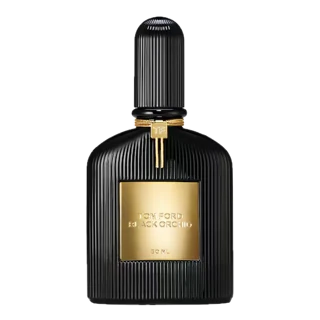
Private Blend, a line of 12 unisex fragrances, followed. It has lasted: ELC's fiscal 2026 report names it and Signature as the TOM FORD fragrance franchises that grew that year. The 2007 report also presented Tom Ford for Men as "a new, innovative take on the classic woods category". That family is set out in our guide to woody fragrances.
The paperwork is a year older, which is why sources give two dates. The 2007 report says the license was announced in April 2005, and the 2022 announcement dates the brand itself to April 2005.
ELC's brand page sets "TOM FORD launches with fragrance and eyewear" against 2005 on its timeline. Its 2022 announcement says TOM FORD BEAUTY was "first introduced by ELC in 2006". The annual report written for the year of the launch is the more precise: agreements in 2005, the first fragrance in November 2006.
Fashion names reached perfume by other routes too. The first perfumes of fashion houses gathers them, from the story behind the Miss Dior name to the CK One story.
Is Tom Ford still involved?
Not in any role our sources describe after 2023. When the sale was agreed, ELC said Tom Ford would "continue to serve as the brand's creative visionary after closing and through the end of calendar 2023". Domenico De Sole, chairman of Tom Ford International, was to stay on as a consultant for the same period.
In September 2024 the brand named Haider Ackermann creative director, effective immediately, the appointment release says. His remit covers creative leadership across all TOM FORD fashion categories, eyewear included, and the creative vision for the whole brand. He was to report to both sides of the deal: Guillaume Jesel at ELC and Lelio Gavazza, chief executive of TOM FORD FASHION at Zegna.
The founder welcomed the choice in the same release. "I have long been a great fan of Haider's work," Tom Ford said. As of 23 October 2026, ELC's brand page lists Jesel as president and CEO and Ackermann as creative director. The brand still carries the founder's name, and Estée Lauder owns it.
Part of Eau Facts, the Fragnatique team's series on fragrance history and science, also told in short videos on Instagram at @eaufacts. Researched from the sources listed above, drafted with AI assistance and checked against each source before publishing.
Frequently asked
- When did the Estée Lauder deal close?
- On 28 April 2023. That day the Estée Lauder Companies announced it had completed its acquisition and become sole owner of the TOM FORD brand, and Zegna announced it had completed its purchase of Tom Ford International, the company that runs the fashion business. Estée Lauder had announced the agreement on 15 November 2022 and said then that it expected the deal to close in the first half of calendar 2023.
- Who is the creative director of Tom Ford?
- Haider Ackermann. TOM FORD announced his appointment on 4 September 2024, effective immediately, in a release published by the Estée Lauder Companies. His remit is creative leadership across all TOM FORD fashion categories, including menswear, womenswear, accessories and eyewear, and the creative vision for the whole brand. The release had him reporting to Guillaume Jesel at Estée Lauder and to Lelio Gavazza at Zegna. As of 23 October 2026, Estée Lauder's brand page still lists him.
- Which other fragrance brands does Estée Lauder own?
- Several, by its annual report for fiscal 2026. It calls Jo Malone London, acquired in 1999, a fragrance house and KILIAN PARIS, acquired in 2016, a prestige fragrance brand. It bought Le Labo in 2014 and Editions de Parfums Frédéric Malle in 2015, and it introduced Aramis, its men's fragrance and grooming line, in 1964. Balmain Beauty and AERIN are different: Estée Lauder makes them as licensee and does not own those names.

Explore Fragnatique