Perfumer biography2 perfumes on record, 1905
François Coty : L'Origan, Ambre Antique and the Birth of Modern Perfume
Known for2 works from the collection
IIn briefFrançois Coty
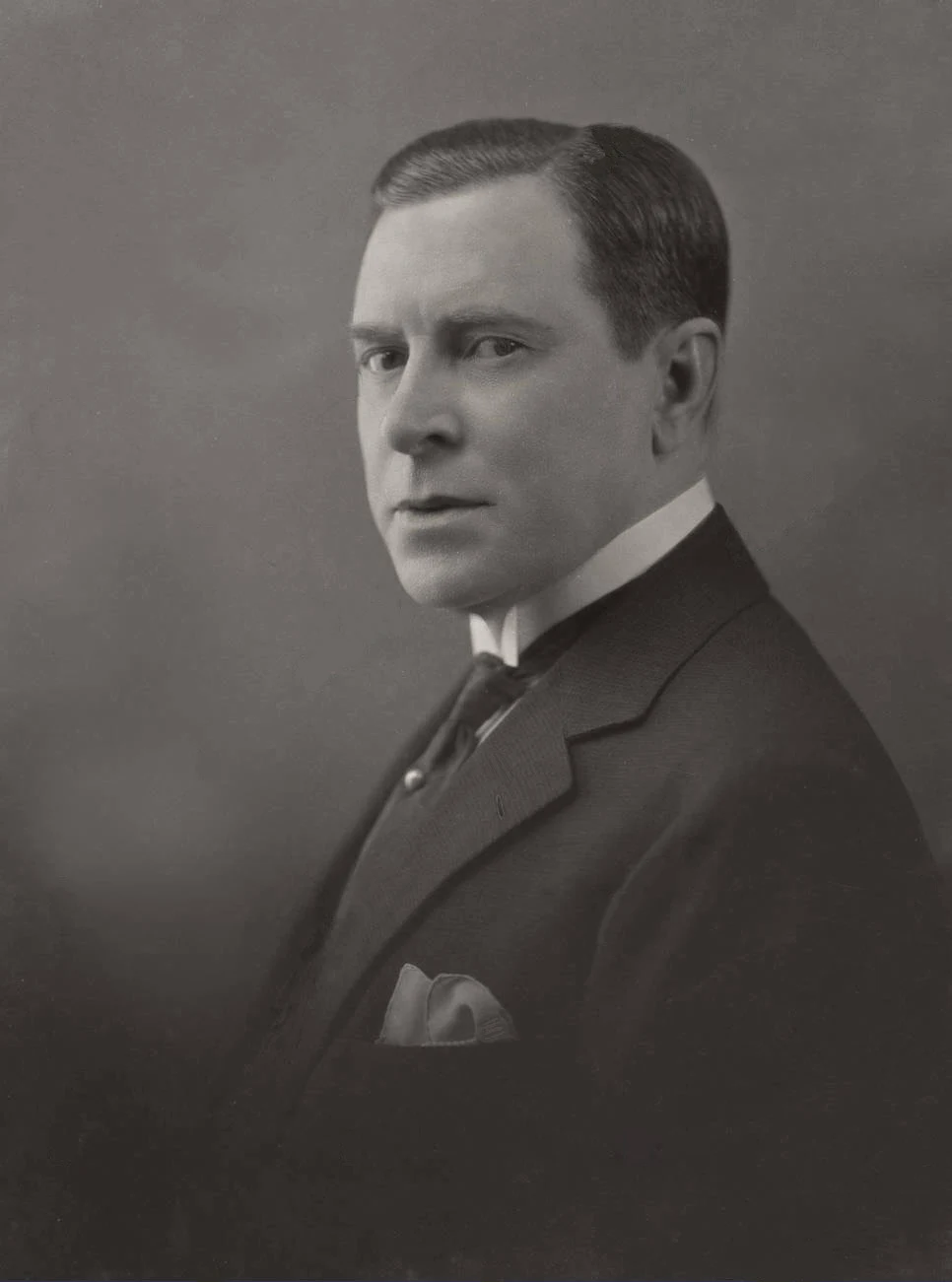
François Coty was a perfumer born in Ajaccio, Corsica, who founded the Coty fragrance house in Paris in 1904 and created L'Origan (1905) and Ambre Antique (1905), according to Coty Inc., the Osmothèque and Ara.
François Coty's first contact with the perfume trade came through card games with Raymond Goery, a Paris pharmacist who made and sold his own perfumes, says the newspaper Ara: François Coty liked Goery's perfumes so much that François Coty decided to make something similar.
- 2perfumes on record
- 1house
The file
- Born
- Joseph Marie François SpoturnoCoty Inc., in Ajaccio, CorsicaAra
- Lived
- 1874 to 1934Osmothèque
- Founded
- Coty, in Paris, 1904Coty Inc.
- Known for
- L'Origan1905, Ambre Antique1905
- Pioneered
- The amber and chypre fragrance familiesCoty Inc.
- Bottles
- René Lalique, from about 1906New York City Landmarks Preservation Commission
Key takeaways
François Coty founded the Coty fragrance house in Paris in 1904, says Coty Inc., and was born Joseph Marie François Spoturno, taking the name Coty from his mother's maiden name, Coti.
The Osmothèque lists L'Origan (1905) among the signature perfumes of François Coty in its Pioneers of Perfumery workshop.
The Osmothèque files Ambre Antique (1905) under oriental perfumes, and Coty Inc. says Coty pioneered two of the six major fragrance families, the amber family and the chypre family.
Coty Inc. says that from 1904 Coty blended synthetic molecules with natural ingredients, which it compares to adding new colours to a painter's palette.
François Coty's first perfume bottles from René Lalique were on display in Lalique's Paris shop in 1907, says the New York City Landmarks Preservation Commission.
Which perfumes did François Coty create?
2 perfumes on record, 1905, each on its plinth under its own light.
The two perfumes below are credited to François Coty by the Osmothèque, the perfume conservatory in Versailles, and both date from 1905, a year after Coty founded the house.
The Osmothèque's workshop catalogue lists further Coty perfumes from 1904, 1906, 1917 and 1921, and Coty Inc. names more Coty "original masterpieces"; the table keeps to the perfumes whose bottles this page can show, from photographs of the original bottles on Wikimedia Commons.
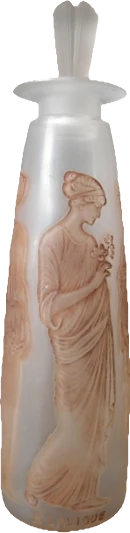
Ambre Antique is filed under oriental perfumes by the Osmothèque, and Coty Inc. named Ambre Antique among the "original masterpieces" shown at its 120th anniversary event in Paris in October 2024. The bottle shown here is a sepia-stained glass bottle by René Lalique for Coty, according to its Wikimedia Commons record. Fragnatique's article on how François Coty helped turn René Lalique into a glassmaker tells the story of those bottles.
IIIClose-upsOne perfume up close
Close-up 01
Who made L'Origan?
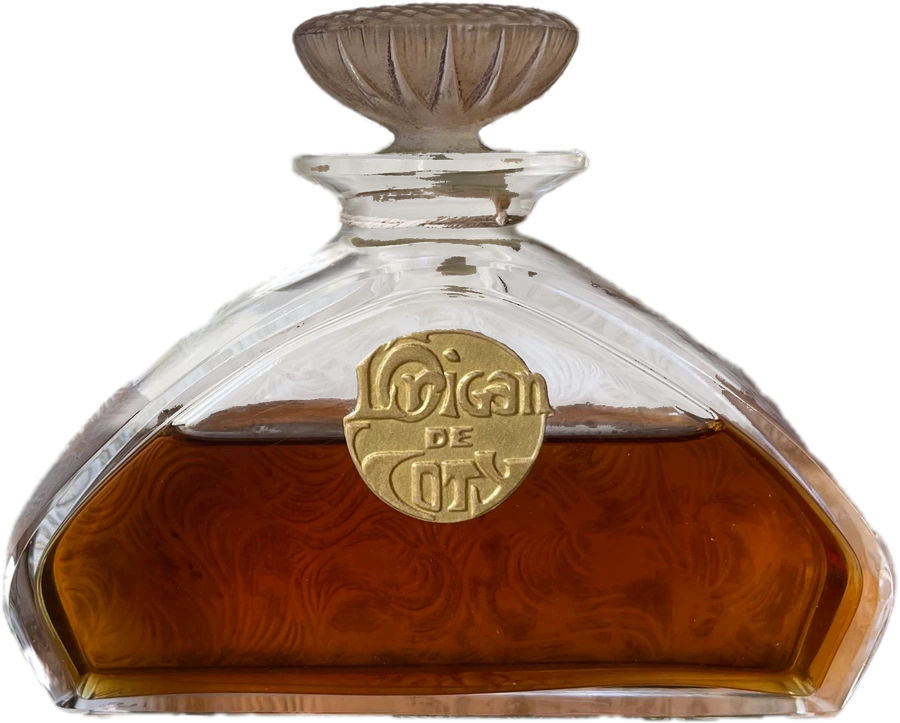
L'Origan was created by François Coty for Coty in 1905, says the Osmothèque's workshop catalogue, which lists "L'Origan (1905)" first among the signature perfumes of François Coty in its Pioneers of Perfumery workshop.
The Osmothèque presents L'Origan in that workshop beside perfumes by Jacques Guerlain, Germaine Cellier, Ernest Beaux and Jean Carles, as an example of the first perfume brands and the origins of modern perfumery. The bottle shown on this page is a Baccarat bottle of L'Origan from around 1905, photographed by DDupard for Wikimedia Commons.
Credited by Osmothèque
IVVoiceIn François Coty’s words
What is François Coty's signature style?
François Coty wrote in 1906, in words quoted by the New York City Landmarks Preservation Commission:
Give a woman the best product you can compound, present it in a perfect container (beautifully simple but of impeccable taste), charge a reasonable price for it and a great business will arise such as the world has never seen.
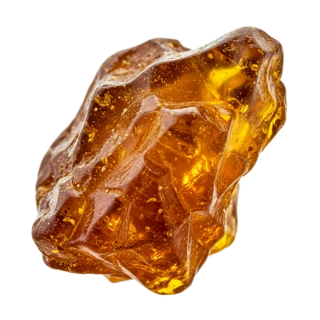
Coty Inc. says that, beginning in 1904, Coty "revolutionized perfumery through its unique blends of synthetic molecules with natural ingredients", "just like adding new colours to a painter's palette", and that Coty pioneered two of the six major fragrance families, the amber family and the chypre family. Fragnatique's page on amber covers the note behind the first of those families.
The Landmarks Preservation Commission says that in the same year François Coty is believed to have commissioned his first perfume bottles from René Lalique, which were on display in Lalique's Paris shop on the Place Vendôme in 1907.
Notes in this chapter
VLife5 dated years, 1904 to 1934
How did François Coty become a perfumer?
François Coty was born Joseph Marie François Spoturno, says Coty Inc., and took the name Coty from his mother's maiden name, Coti, changing the i to a y. Ara says François Coty was orphaned as a child, left Ajaccio to live with relatives in mainland France and, after military service, settled in Paris, where the card games with the pharmacist Raymond Goery led François Coty to perfume.
1904
François Coty founds the Coty fragrance house in Paris, says Coty Inc., and formulates a rose perfume that proves a success, says Ara.
1905
1907
François Coty's first perfume bottles by René Lalique are on display in Lalique's Paris shop, says the New York City Landmarks Preservation Commission.
1910
François Coty leases 714 Fifth Avenue in New York and sets up Coty's American headquarters there, says the Landmarks Preservation Commission.
1934
François Coty dies, according to the dates the Osmothèque gives for Coty's life.
Afterword
Ara says that before the First World War, Coty opened branches in Moscow, London and New York, and that the range grew beyond perfume into cosmetics and products for hair and skin. Coty Inc. marked the house's 120th anniversary with a three-day fragrance event in Paris in October 2024.
VIRecord
Where the accounts differ
The sources agree that François Coty founded the house in 1904 and differ on when the first Lalique bottles for Coty came.
01
First Lalique bottles for Coty
One account
New York City Landmarks Preservation Commission (1985): commissioned about 1906, on display in 1907
Another account
Fragnatique's Lalique and Coty article: 1907 by the Lalique house's account, 1908 by the Victoria and Albert Museum's
Where this page stands
The Landmarks Preservation Commission writes that Coty "is believed to have commissioned" the bottles in 1906, so this profile gives 1907 as the first date the bottles were seen.
VIICircleThe people around François Coty
Related perfumers
Five perfumers share a list or a step in François Coty's story in the sources above.
In the story
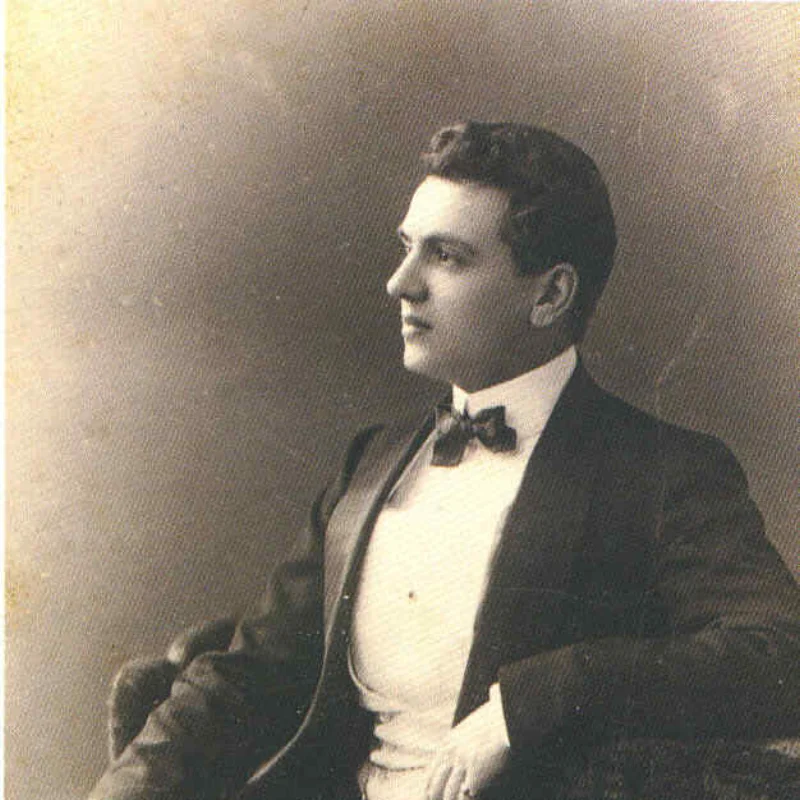
Raymond Goery
the Paris pharmacist and perfume maker whose perfumes led François Coty to make his own, according to Ara.
In the story
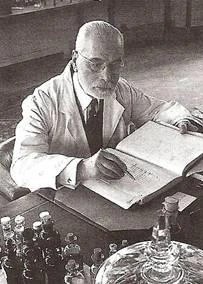
Ernest Beaux
listed beside François Coty in the Osmothèque's Pioneers of Perfumery workshop.
In the story
Jacques Guerlain
listed beside François Coty in the same Osmothèque workshop.
In the story
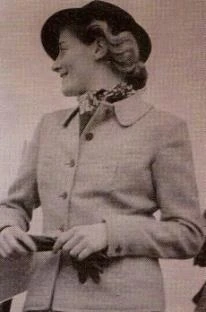
Germaine Cellier
listed beside François Coty in the same Osmothèque workshop.
In the story
Jean Carles
listed beside François Coty in the same Osmothèque workshop; Fragnatique's article on the Jean Carles method tells Carles's story.
VIIIQuestions4 short answers
Frequently asked
Who made L'Origan?
L'Origan was created by François Coty for Coty in 1905, according to the Osmothèque's workshop catalogue, which lists L'Origan (1905) among the signature perfumes of François Coty in its Pioneers of Perfumery workshop.
Which perfumes did François Coty make?
Perfumes credited to François Coty include L'Origan (1905) and Ambre Antique (1905), according to the Osmothèque, and Coty Inc. names Ambre Antique among Coty's original masterpieces. The Osmothèque lists further Coty perfumes from 1904, 1906, 1917 and 1921.
When did François Coty found Coty?
François Coty founded the Coty fragrance house in Paris in 1904, according to Coty Inc., which celebrated its 120th anniversary in Paris in October 2024.
Where does the name Coty come from?
Coty Inc. says its founder was born Joseph Marie François Spoturno and took the name Coty from his mother's maiden name, Coti, changing the i to a y.
Part of Eau Facts, the Fragnatique team's series on fragrance history and science, also told in short videos on Instagram at @eaufacts. Researched from the sources named in the text, drafted with AI assistance and checked against each source before publishing.

Written by Fragnatique Team
Published
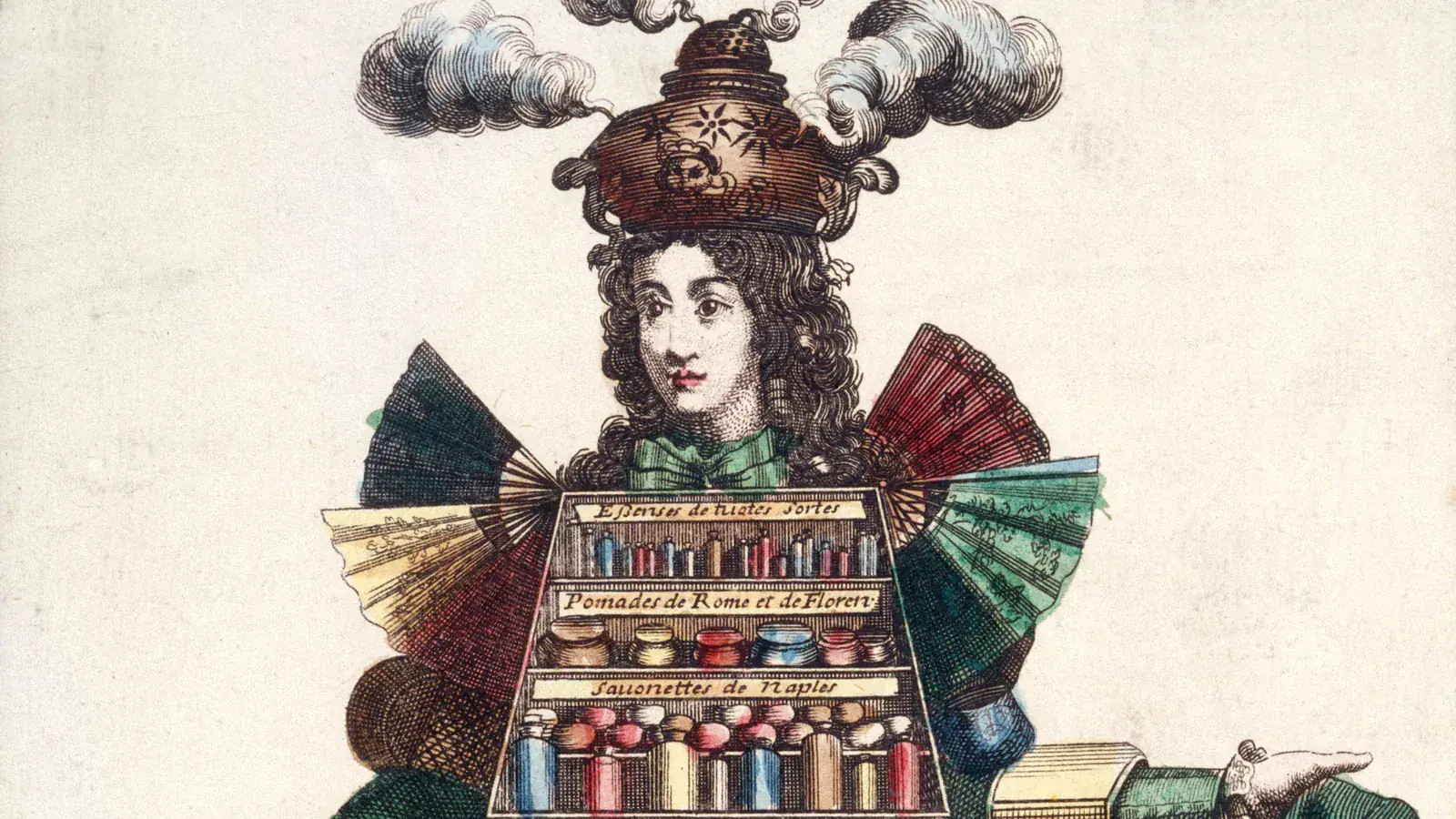
Picture credits François Coty: photograph by André Taponier, 1910, Wikimedia Commons, public domain. Bottle and note pictures: Fragnatique.