
Expect a third scent
The brain often treats a blend as one new smell. In one study, a strawberry-like odour mixed with a caramel-like one was judged more like pineapple than either part.
Basis: Published research on odour mixtures
To layer perfume, choose two scents that share at least one note, spray both on the same spot, and judge what you get as a single new smell. Research on odour mixtures shows that a blend is often perceived as something neither part smells of, so two perfumes do not simply add up.
Rules 1 and 3 come from published research. Rules 2, 4 and 5 are practice built on those findings. Each card says which.
The brain often treats a blend as one new smell. In one study, a strawberry-like odour mixed with a caramel-like one was judged more like pineapple than either part.
Basis: Published research on odour mixtures
A pair holds together best when the two perfumes have a note in common. The shared note is the bridge; the notes that differ give the blend its character.
Basis: Our practice
Trained panels and professional perfumers could pick out only three or four components of a mixture, and training did not raise the limit. A third bottle adds noise.
Basis: Livermore and Laing, 1996
If both perfumes are loud, each masks the other. Pair a strong or dense scent with a moderate or light one; skin scents are the easiest partners.
Basis: Our practice
Spray both on the same patch of skin, wait ten minutes, and ask one question: do I like this smell? Do not hunt for each perfume inside it.
Basis: Follows from rule 1
Pick the family of each perfume. The verdict applies the rules above in order and tells you which one it used. It runs in your browser.
Citrus over Woody
A light citrus scent layered over a woody one borrows its slow base notes and lasts longer. Spray the woody perfume first.
Families and their bridges come from our guide to the eight fragrance families. A verdict is a starting point: by rule 1, the blend can still surprise you.
Every pair that our family guides name as a bridge, with the defining notes the two families share.
| Pair | Shared defining notes | Seasons |
|---|---|---|
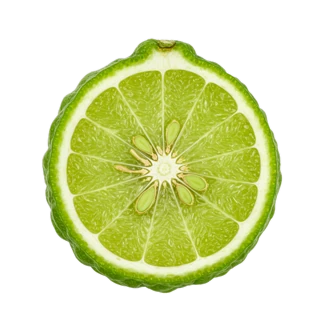
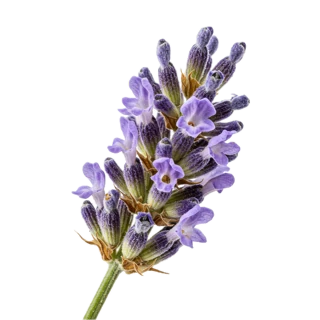
| Citrus with Aromatic | bergamot | Spring, summer / Spring, summer |
| Citrus with Floral | orange blossom | Spring, summer / Spring, summer, autumn |
| Floral with Woody | None in the short lists; the guide names the bridge | Spring, summer, autumn / Autumn, winter |
| Floral with Spicy | None in the short lists; the guide names the bridge | Spring, summer, autumn / Autumn, winter |
| Woody with Spicy | None in the short lists; the guide names the bridge | Autumn, winter / Autumn, winter |
| Woody with Resinous | None in the short lists; the guide names the bridge | Autumn, winter / Autumn, winter |
| Woody with Aromatic | None in the short lists; the guide names the bridge | Autumn, winter / Spring, summer |
| Spicy with Gourmand | None in the short lists; the guide names the bridge | Autumn, winter / Autumn, winter |
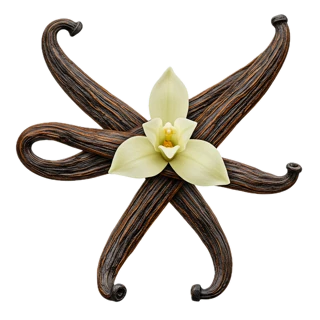
| Gourmand with Resinous | vanilla | Autumn, winter / Autumn, winter |
| Gourmand with Floral | None in the short lists; the guide names the bridge | Autumn, winter / Spring, summer, autumn |
| Resinous with Spicy | None in the short lists; the guide names the bridge | Autumn, winter / Autumn, winter |
| Earthy with Resinous | labdanum | Autumn, winter / Autumn, winter |
| Earthy with Woody | vetiver | Autumn, winter / Autumn, winter |
| Earthy with Floral | None in the short lists; the guide names the bridge | Autumn, winter / Spring, summer, autumn |
A light citrus or floral over a woody, gourmand or resinous base also works, because the base notes leave skin slowest.
| Avoid | Why | Basis |
|---|---|---|
| Three or more perfumes | The nose resolves only three or four components; a third finished perfume adds noise, not a layer you can perceive. | Rule 3 |
| Two strong, dense perfumes | Each masks the other and the blend blurs. Keep one of the two moderate or light. | Rule 4 |
| Two perfumes with no note in common | Nothing holds the blend together; it reads as two smells competing rather than one. | Rule 2 |
| Two light scents to make one last | Layering two light scents does not make either last longer. Put a heavier base under the lighter one instead. | Layering guide |
| Judging each perfume inside the blend | You often cannot find the parts in a mixture, and that is not a failure of the pair. Judge the whole. | Rule 1 |
| Occasion | Try | Why it works |
|---|---|---|
| Hot summer day | Citrus with aromatic | Both are spring and summer families and meet on bergamot. Citrus is volatile, so reapply rather than spray more. |
| Spring day | Citrus with floral | Our citrus guide names floral as a bridge; they meet on orange blossom. |
| Office or close quarters | Floral with woody, one of them quiet | A bridge pair, kept close to the skin by pairing one strong scent with one light one. |
| Autumn day | Woody with spicy | Our woody guide names spicy as a bridge; both are autumn and winter families. |
| Cold evening | Gourmand with resinous | Both are autumn and winter families and meet on vanilla, the note that bridges resins toward gourmand. |
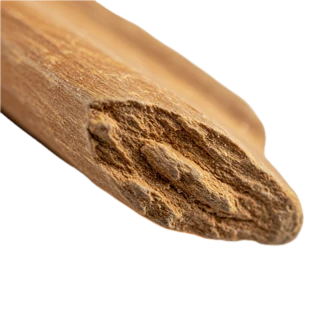
| All-day wear | A light citrus or floral over a woody or resinous base | Base notes such as woods, musk, vanilla and ambroxan leave skin slowest; the lighter scent borrows their staying power. |
Base notes such as vanilla, musk, woods and ambroxan are the slowest to leave skin. A light citrus or floral sprayed over one of them borrows its staying power.
The same scent in a lighter form gives a quiet first layer, and is the safest way to try a blend without committing to a strong one.
Layering makes a new scent from two finished ones. The Scent Lab in Fragnatique does it one step earlier, turning the notes you like into a single formula.
Choose two perfumes that share at least one note, spray both on the same spot, wait ten minutes and judge the blend as one new smell. Put the heavier perfume on first if you want the lighter one to last longer.
Two is the practical limit. A 1996 study found that both a trained panel and professional perfumers could identify only three or four components of a mixture, and a single perfume already contains far more than that.
Families that our family guides name as bridges: citrus with aromatic or floral, floral with woody or spicy, woody with spicy, resinous or aromatic, gourmand with resinous or spicy, and earthy with resinous or woody. A light citrus or floral over a woody or resinous base also works.
Avoid three or more at once, two strong dense scents together, and two perfumes with nothing in common. Layering two light scents also does not make either last longer.
The heavier one. Base notes such as woods, musk, vanilla and ambroxan are the slowest to leave skin, so a lighter scent sprayed over them borrows their staying power.
Scan a bottle you own with the perfume scanner in Fragnatique, open any of its notes, and see which perfumes share it. Read the full layering guide for ten pairs to try.