Ajmal Perfumes: The Dubai House Whose First Shop Was in Mumbai
Ajmal Perfumes opened its first shop in Mumbai in 1951 with Rs 500, the house says. Its first Dubai shop came in 1976, and in 2026 it became Ajmal Dubai.
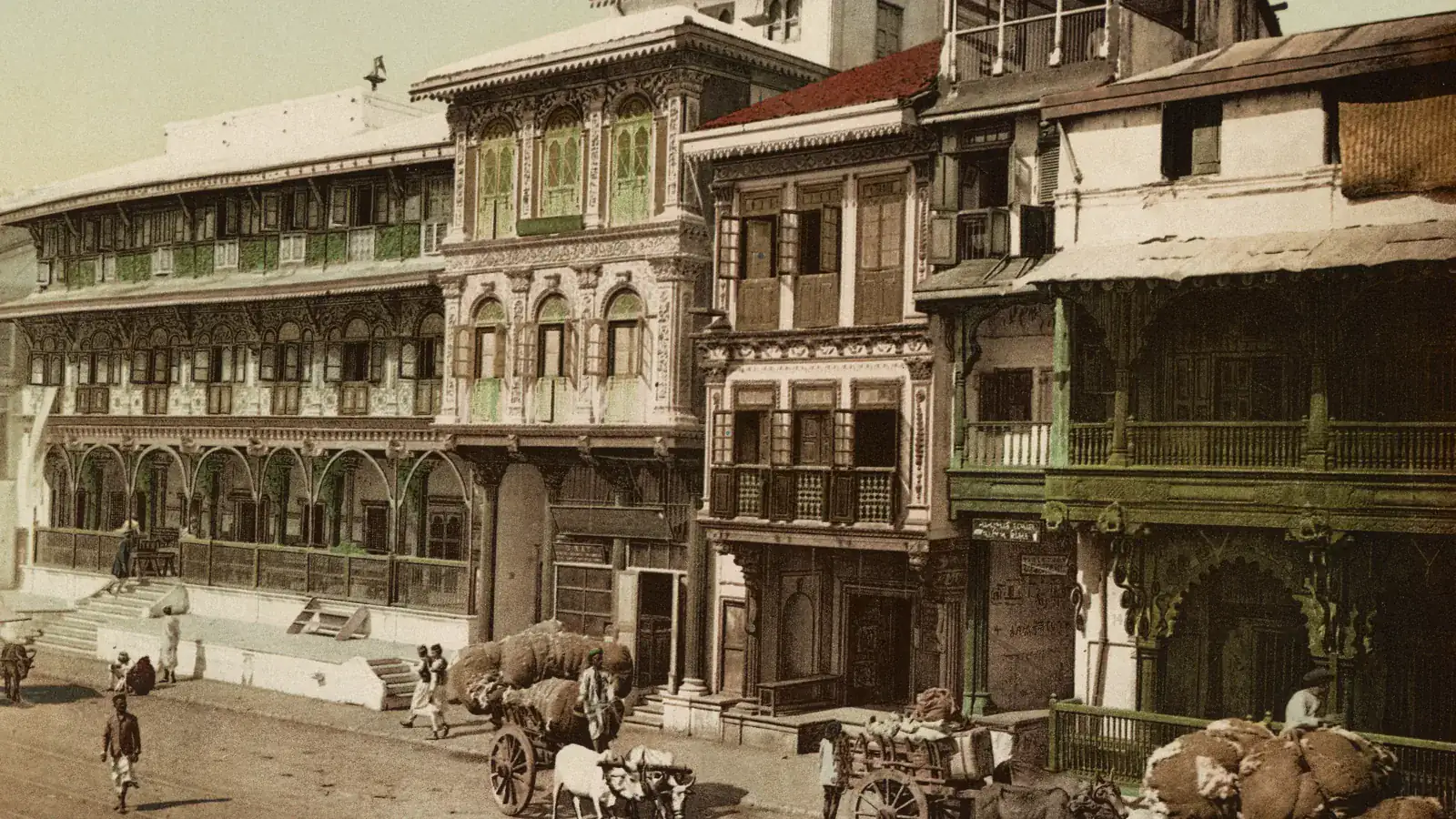
- 01Ajmal's founder, Haji Ajmal Ali, opened his first shop on Nagdevi Street in Mumbai's Crawford Market in 1951, with Rs 500, according to the house.
- 02Gulf News and The Moodie Davitt Report put the founding in Assam in the early 1950s, so the sources agree on India but not on the first city.
- 03Ajmal's timeline dates its first Dubai outlet, in Murshid Bazaar, to 1976; the founder had landed in Sharjah in 1961, his son told Gulf News.
- 04Approaching its 75th anniversary, Ajmal Perfumes renamed itself Ajmal Dubai, Campaign Middle East reported on 3 March 2026.
- 05Two 2021 press reports called Ajmal family-owned, and its timeline says Abdulla Ajmal, a grandson of the founder, became chief executive in 2023.
The city in the name came last. Ajmal's founder, Haji Ajmal Ali, opened his first shop in 1951 on Nagdevi Street in Mumbai's Crawford Market, the house's About Us page says. Its own timeline dates the first Dubai outlet to 1976, and the company took the name Ajmal Dubai in 2026, Campaign Middle East reported. Ajmal is also the youngest house in our check of the oldest perfume houses.
Where did Ajmal Perfumes begin?
In India. Every account of the founding that we read agrees on the country and the early 1950s, and those naming a sum say 500 rupees. Where they differ is the first city. The About Us page says the founder moved to Mumbai in 1951 "with just Rs 500 as his seed capital" and set up his first shop.
The house's Journey page starts a year earlier. He left his homeland in north-eastern India in 1950 and traveled to Mumbai, it says. In 1951 he began blending fragrant oils, "transforming himself from a farmer into a perfumer".
Two press accounts from the 70th anniversary year place the start in Assam. The Moodie Davitt Report wrote on 4 January 2021 that the house was founded "in Assam, India in the early 1950s". Gulf News reported on 22 April 2021 that the business began with Rs 500 in his home state before it moved to Mumbai. In the same article the founder's eldest son, then chief executive, said his father moved to Bombay "to blend oils in a tiny apartment".
| Source | Published | Where it starts | What it says |
|---|---|---|---|
| Ajmal, About Us | Undated | Mumbai, 1951 | First shop on Nagdevi Street, Crawford Market, with Rs 500 |
| Ajmal, Journey | Undated | Mumbai, 1950 to 1951 | Left north-eastern India in 1950; began blending oils in 1951 |
| The Moodie Davitt Report | 4 January 2021 | Assam, early 1950s | Founded by Haji Ajmal Ali in Assam |
| Gulf News | 22 April 2021 | Assam, then Mumbai | Began with Rs 500 in his home state, then moved to Mumbai |
The gap is narrower than it looks: the oud came from Assam, and the first shop stood in Mumbai. Only the house gives a year, a street and a sum together, so we date Ajmal from the 1951 shop, as the family tells it.
Who founded Ajmal Perfumes?
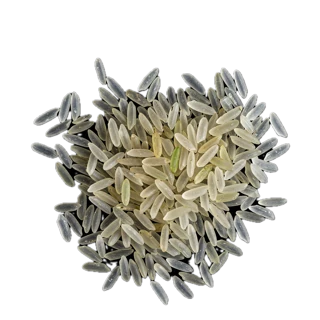
Haji Ajmal Ali, born into a family of rice farmers in Assam, whom the house calls its "Founder Father". He came from Alinagar, a small village in Hojai, says the About Us page. While still young, he saw that farming could not support his family, but heard that the oud trade could. The page treats that choice as the real beginning:
He decided to chance his fate with the forest, and this decision would lay the foundation for Ajmal.
Ajmal, "About Us", the story of Haji Ajmal Ali
His sons joined him. Within two decades, the page says, the family had grown the business into the Ajmal brand.
Hojai still lives from both crops. The district administration's history page places the district south of Nagaon and opens on its farming past:
Once famed as the "Rice Bowl" of Assam, Hojai is pre-eminently an agriculture belt
Hojai District Administration, "History"
The same page says Hojai now draws attention for agarwood processing and agar exports, especially to the Gulf countries. That trade drew the founder away from rice, in the house's telling.
A 2024 report for the Government of India supplies the scale. The Botanical Survey of India's agarwood study calls Hojai's Islamnagar market the largest agar market in the country. Its average turnover tops Rs 1 crore (10 million rupees) a day. Most of Assam's distilleries are in Hojai, it adds, and three large plantations there belong to the Ajmal group.
Agarwood, the source of oud, is a resinous wood that forms within the heartwood of Aquilaria and Gyrinops trees, the report explains. India's species, Aquilaria malaccensis, is listed as Critically Endangered on the IUCN Red List and under CITES Appendix II. We traced similar pressure on another perfumery resin in the decline of frankincense trees. Oud blends also sit beside amber and labdanum in our guide to resinous fragrances.
Is Ajmal an Indian brand or a Dubai brand?
Both: an Indian-founded house that has been run from Dubai for decades. The founder's eldest son told Gulf News in 2021 that his father landed in Sharjah in 1961 and met traders there. Establishing the business took six years, he said. The paper dates the first Dubai store to 1976.
The house's timeline gives the same year for its first Dubai outlet, in Murshid Bazaar. That is in Deira, where Gulf News says the family once lived. A Gulf News profile of 14 September 2001 adds that another son came from Bombay to open the Dubai office. That was "more than a quarter of a century ago", the paper wrote.
The timeline adds factories: a first manufacturing unit in Dubai in 1986, with a research facility in Al Quoz, and a second in 2004. From Dubai the shops spread around the Gulf: Kuwait in 1991, Oman in 1992, Saudi Arabia in 1995 and Bahrain in 1996, the timeline shows. The Moodie Davitt Report calls Ajmal a "Dubai-based" house.
India never left the business. The timeline lists an Indian division, New Horizons of Ajmal, formed in 2017, which opened franchise stores in India in 2022. The Hojai plantations keep the oud side in Assam. The short answer: Indian by origin and family, and based in Dubai.
Why did Ajmal rename itself Ajmal Dubai?
To tie the brand to the city where it grew, the company says, as its 75th anniversary approached. Campaign Middle East reported on 3 March 2026 that Ajmal Perfumes had rebranded as Ajmal Dubai, "incorporating the name of the city into its identity". The magazine said the move is meant to position Dubai as one of the main influences on the brand.
The new identity was first shown internally, to 500 employees, on 7 February 2026, the magazine wrote, and its logo was revealed on Ain Dubai. It rests on a platform called Scent of a City and a year-round campaign for the anniversary.
Khaleej Times carried the announcement on 27 February 2026, in its KT Network section. It presented Ajmal Dubai as a name "that reflects its roots and deep connection to the city that shaped its identity".
The house marked a "Golden 50th Year" in 2001, and the trade press a 70th anniversary in 2021. Counting from 1951, the 75th falls in 2026 (our arithmetic). The name changed; the founding year did not.
Who owns Ajmal Perfumes today?
The Ajmal family, according to the most recent press descriptions we found. In 2021 The Moodie Davitt Report called it a "still family-owned business" steered by the second and third generations. Gulf News described it as family-owned the same year. The house pages we read publish no shareholder list.
The third generation now runs the company. The house's timeline says Abdulla Ajmal took the helm as CEO in 2023. Campaign Middle East called him CEO at Ajmal Group in March 2026. In the 2021 Gulf News interview he was deputy CEO, "the eldest of the third generation of Ajmals", and called the founder his grandfather.
Ajmal Perfumes timeline, 1950 to 2026
Dates are from the house's Journey page unless another source is named. Where the house ranks its own perfumes, the table says so.
| Year | What happened | Source |
|---|---|---|
| 1950 | The founder leaves north-eastern India for Mumbai | Journey |
| 1951 | He begins blending fragrant oils and opens his first shop, in Crawford Market, with Rs 500 | Journey; About Us |
| 1961 | On a trip to the Gulf, he lands in Sharjah | Gulf News, 2021 |
| 1976 | First Ajmal outlet in Dubai, in Murshid Bazaar | Journey; Gulf News, 2021 |
| 1979 | An afforestation program in its agarwood plantations in Assam | Journey |
| 1986 | First manufacturing unit in Dubai, with a research facility in Al Quoz | Journey |
| 1987 | Dahn Al Oudh launched as an eau de parfum | Journey |
| 1991 to 1996 | Shops open in Kuwait, Oman, Saudi Arabia and Bahrain | Journey |
| 1995 | Sarah, its first branded mukhallat, which the house calls one of the Middle East's best-selling fragrances | Journey |
| 1995 | Dahn Al Oudh Moattaq, at USD 700 for 12 ml | Journey |
| 2001 | Its "Golden 50th Year"; the largest incense burner, presented on 23 March | Journey; Guinness |
| 2017 | New Horizons of Ajmal, an Indian division, is formed | Journey |
| 2023 | Abdulla Ajmal becomes CEO | Journey |
| 2026 | Renamed Ajmal Dubai, approaching its 75th anniversary | Khaleej Times; Campaign Middle East |
The house says Dahn Al Oudh Moattaq became "one of the most expensive fragrances in the world". That ranking is its own; the documented record holders are in the most expensive perfume in the world.
The incense burner is on the record. Guinness World Records lists Ajmal for the largest incense burner, a 3 m, 1,000 kg mabkhara of ash wood and brass. It was presented on 23 March 2001, during the Dubai Shopping Festival.
Part of Eau Facts, the Fragnatique team's series on fragrance history and science, also told in short videos on Instagram at @eaufacts. Researched from the sources listed above, drafted with AI assistance and checked against each source before publishing.
Frequently asked
- What is Ajmal known for?
- Oud, by its own telling. The house grows agarwood, the wood that yields oud, and a 2024 Botanical Survey of India report lists three large Ajmal plantations in Hojai, Assam. Its timeline highlights Dahn Al Oudh, launched as an eau de parfum in 1987, and Sarah, its first branded mukhallat, from 1995. Guinness World Records also lists Ajmal for the largest incense burner, a 3 m mabkhara presented in Dubai in 2001.
- When did Ajmal open in Dubai?
- In 1976, by the house's own timeline, which places its first Dubai outlet in Murshid Bazaar, in the Deira area. In 2021, Gulf News gave the same year for the first Dubai store. The family's Gulf trade is older: the founder's eldest son told the paper that his father landed in Sharjah in 1961, met traders there, and needed six years to establish the business.
- Where is Hojai?
- Hojai is a district of Assam, in north-east India, lying south of Nagaon. Its district administration says it was once famed as the Rice Bowl of Assam and now draws attention for agarwood processing and exports, especially to the Gulf countries. Ajmal's founder came from Alinagar, a small village in Hojai, according to the house's About Us page.

Explore Fragnatique