What Is Eau de Cologne? Farina, 1709, and Napoleon's Cologne
Eau de Cologne is a light perfume named after Cologne, where Farina first made it from citrus; Germany's patent office dates the firm to 13 July 1709.
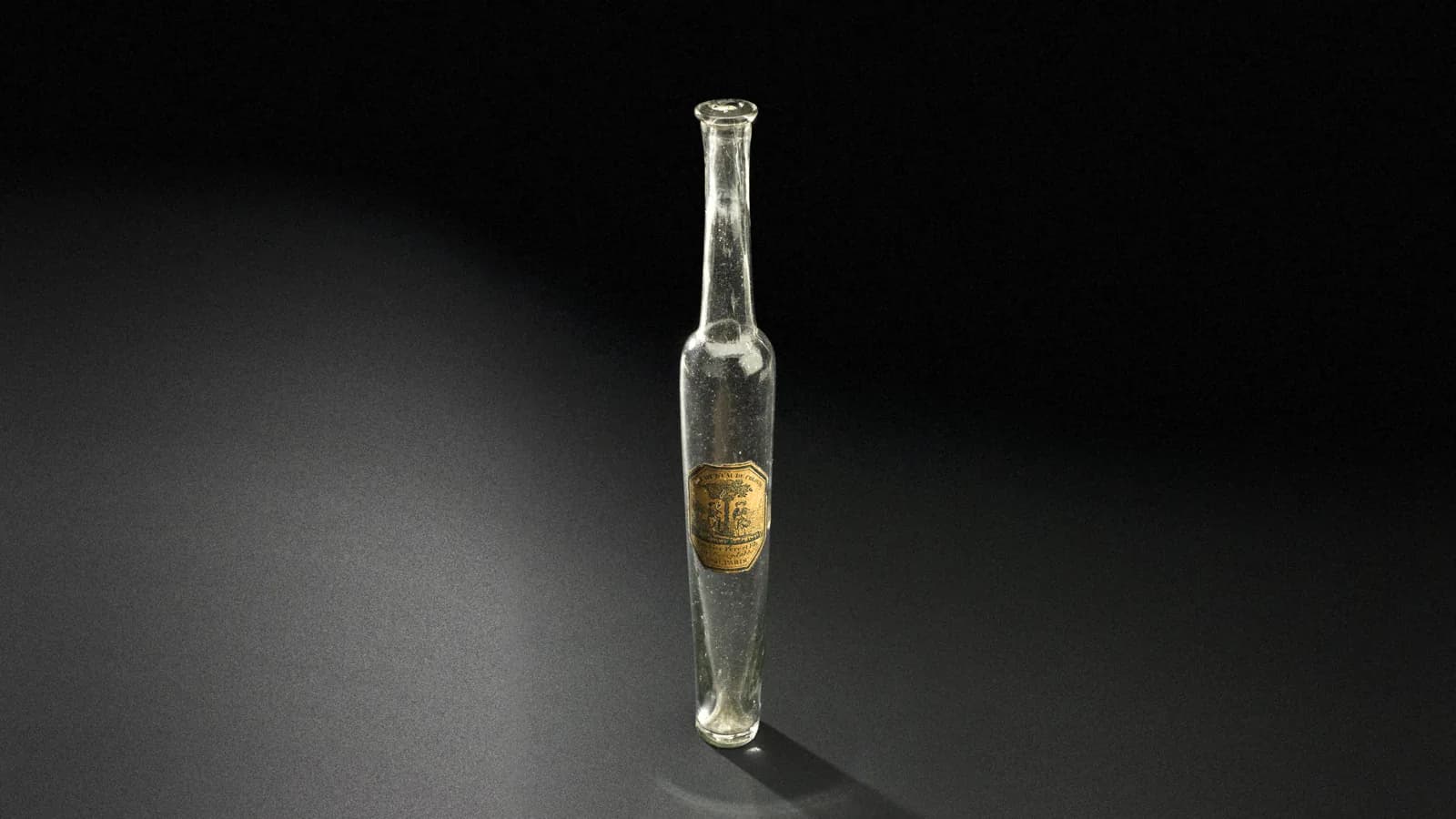
- 01Germany's patent office calls eau de Cologne the generic term for a light perfume of about 3 to 5 percent perfume content, named after the city of Cologne.
- 02According to the DPMA, Johann Maria Farina's original scent was built not on musk but on bergamot, lemon and orange, unlike the heavy perfumes of the nobility.
- 03The DPMA says Giovanni Battista Farina founded the firm in Cologne on 13 July 1709; the house's own history names his brother Johann Maria instead.
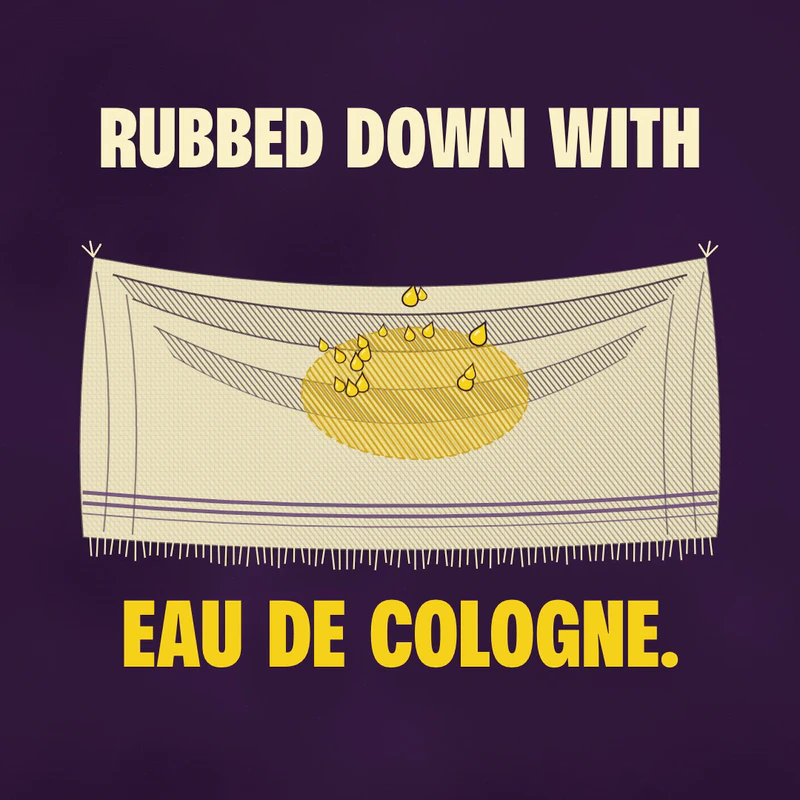
- 04The Fondation Napoléon says Napoleon was rubbed down with eau de Cologne after his bath and shave, without naming a maker; Farina and Roger&Gallet both claim him.
- 05Wilhelm Mülhens's Cologne firm traded under a bought Farina name until 1873, when it was forbidden to use it, the DPMA records; it became the brand 4711.
Germany's patent office, two perfume houses and the Fondation Napoléon tell the early story of eau de Cologne, and they do not always agree.
What is eau de Cologne?
Eau de Cologne is a light fragrance named after Cologne, the German city where it was first made. Today it is "the generic term for a light perfume with about 3 to 5 per cent perfume content", says the history of the Farina brand published by Germany's patent and trademark office, the DPMA.
The name began as a single product. Johann Maria Farina, whose family came from Santa Maria Maggiore in northern Italy, named his fragrance water Eau de Cologne in honor of his adopted city, the DPMA and the house both say. In time it named "an entire fragrance class". In German it is Kölnisch Wasser.
Because the name became generic, it cannot be protected as a trademark for perfume, the DPMA adds. Cologne's makers' association, the Verband der Kölnisch Wasser-Hersteller, holds "Original Eau de Cologne" as a collective word mark in the German register, entered in 2000. Registration as an EU trademark was refused in 2014 by EUIPO, the EU trademark office, and ultimately by the European court, as a "descriptive indication without distinctive character", the DPMA reports.
Merriam-Webster's entry for eau de cologne defines the term simply as cologne, glosses it as "Cologne water" and records it in English from 1802. Its entry for cologne dates the short form to 1832: "a perfumed liquid composed of alcohol and fragrant oils".
Who made the first eau de Cologne?
Johann Maria Farina, according to both the DPMA and the house; who founded the business is where they differ. The DPMA says his elder brother, Giovanni Battista Farina, founded the company "G. B. Farina" in Cologne on 13 July 1709. It mainly sold fashion items until Johann Maria joined in 1714, and fragrance stayed a secondary business at first.
Johann Maria (1685 to 1766) developed a fragrance water called an "Aqua mirabilis", a miracle water, at a time when perfumes were also said to have a medicinal effect. The DPMA calls him "practically the inventor of the brand perfume". Farina's own history page tells it more simply: Johann Maria moves to Cologne in 1709, founds the factory and creates Eau de Cologne the same year.
A Paris house tells an older story. Roger&Gallet's history starts with Giovanni Paolo Feminis, who it says created a "miraculous water", Acqua Mirabilis, in 1693. The recipe then reached Cologne, it says, "where the Farina family inherited its secret".
| Account | Founded the firm | Created the scent | Date given |
|---|---|---|---|
| DPMA, Germany's patent office | Giovanni Battista Farina | Johann Maria, who joined in 1714 | Firm founded 13 July 1709 |
| Farina, the house | Johann Maria Farina | Johann Maria Farina | 1709 for firm and scent |
| Roger&Gallet, a Paris house | Not stated | Recipe traced to Giovanni Paolo Feminis | Acqua Mirabilis, 1693 |
The DPMA's account is the stronger. It comes from a public office and keeps the founding of the business apart from the making of the scent. Neither house page cites a document for its version, and Feminis appears in neither the DPMA's account nor Farina's, so we follow the DPMA on who founded the firm.
Is Farina the oldest perfume factory still running?
Probably: the DPMA writes that the firm "is assumed to be the world's oldest perfume factory still in existence", having existed for more than three centuries. The house drops the hedge and calls itself "the oldest perfume house in the world". Neither page says how the comparison with other makers was made.
Other old houses date themselves from other events, as our articles on why Santa Maria Novella has two birth years and on Floris in London show. Our guide to the oldest perfume houses sets the claims side by side.
After his brother's death, Johann Maria ran the firm under his own name from 1733, opposite (gegenüber) the Jülichs-Platz, and "Farina gegenüber" became a trademark, the DPMA says. The company, Johann Maria Farina gegenüber dem Jülichs-Platz, still carries that address in its name and is still owned by the family.
The house says its eighth and ninth generations make the original in Cologne today, "the recipe of which is strictly guarded". A fragrance museum opened in the historic Farina House in 2003, its history says.
What did the original eau de Cologne smell like?
Of citrus rather than musk, according to the DPMA, which contrasts Johann Maria Farina's fresh scent with "the heavy, extremely expensive perfumes" then common among the nobility:
It was not based on musk essences but on notes of bergamot, lemon and orange.
Deutsches Patent- und Markenamt, "World's oldest perfume manufacturer"
The house says his scent combined "for the first time bergamot and other citrus oils with pure alcohol". Johann Maria is said to have compared it to "an Italian spring morning after the rain", the DPMA writes. The house prints a longer version of the line as his own words, without naming the document it comes from.
Today's bottle keeps citrus in front but does list musk. The product page for Original Eau de Cologne lists bergamot, lemon, bitter orange and lime as top notes, jasmine and neroli in the heart, and amber and musk in the base. It assigns the scent to no gender, speaking only of "its wearer".
The DPMA says Farina still follows Johann Maria's original recipe, which neither source publishes. Our guide to citrus fragrances covers the family these notes lead.
What cologne did Napoleon wear?
Eau de Cologne, says the Fondation Napoléon, but its account names no maker. Its day in the life of Napoleon describes his love of very hot baths, then this:
Après le bain et le rasage, Napoléon se fait frictionner à l'eau de Cologne
Fondation Napoléon, "Une journée avec Napoléon Ier (1)"
In English: after his bath and shave, Napoleon had himself rubbed down with eau de Cologne. On campaign, the page adds, his travel case held flasks of eau de Cologne beside his razors and toothbrushes.
Two houses claim him as a customer. Farina's history says that during the French occupation of Cologne, from 1794 to 1814, "Napoleon and the Bonaparte family become loyal customers". Roger&Gallet names "Napoleon I and, later, Empress Eugénie" among the devotees of Eau de Cologne Jean Marie Farina. It says Jean Marie Joseph Farina, "a descendant of the family", founded that house in Paris in 1806.
The DPMA lists Napoleon among Farina's famous customers but quotes no order of his. From the company archive it cites others: Queen Victoria, for 600 bottles, and Goethe, for "6 glasses". So the foundation's account confirms the habit, while the supplier remains each house's claim.
Eugénie returns in our article on Guerlain's Eau de Cologne Impériale. How much eau de Cologne Napoleon used is checked in Perfume Myths and Facts.
How did 4711 get the Farina name?
It borrowed one, in the DPMA's account. Wilhelm Mülhens, who had sold eau de Cologne in Cologne's Glockengasse since 1799, named his company "Franz Maria Farina, Glockengasse 4711, Cologne" to profit from Farina's reputation. He also took on people called Farina as staff or partners, the DPMA says, to make the name look justified.
The original house answered in print. In the Frankfurter Nachrichtenblätter of 20 September 1805 it declared that "Franz Maria Farina" was in fact Wilhelm Mülhens, who had "bought" the name of a certain Carl Franz Farina from Bonn.
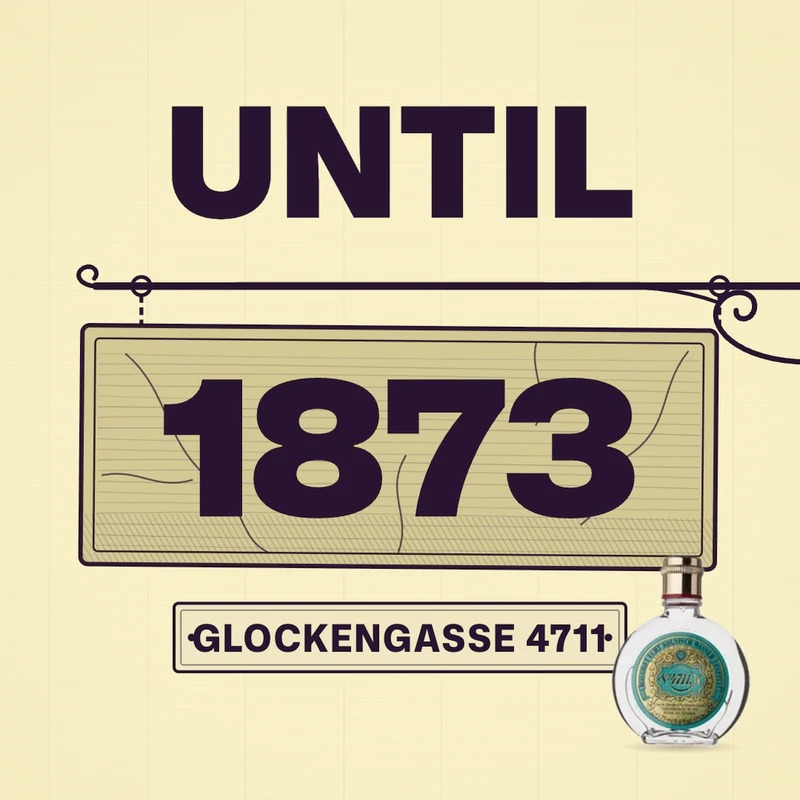
Only in 1873 was the Mülhens firm finally forbidden to use "Farina" in its company name. It then took a name built on its address, Glockengasse No. 4711, and today belongs to Mäurer & Wirtz. Most people now think of 4711 when they hear eau de Cologne, the DPMA notes, placing it in the low-price range and Farina, as before, among luxury goods.
The Farina family also pioneered German trademark protection, the DPMA says. Jean Marie Farina (1809 to 1880) made his first submission on it to the Prussian ministries in 1836. Germany's first Trademark Protection Act took effect on 1 May 1875, and Farina was the first Cologne company to register its labels as trademarks.
Farina from 1709 to today
| Date | Event | Source |
|---|---|---|
| 13 July 1709 | Giovanni Battista Farina founds "G. B. Farina" in Cologne | DPMA |
| 1709 | Johann Maria Farina founds the factory and creates Eau de Cologne | Farina, house history |
| 1714 | Johann Maria joins his elder brother's firm | DPMA |
| 1733 | Johann Maria trades under his own name, opposite the Jülichs-Platz | DPMA |
| 1794 to 1814 | French occupation of Cologne; the house says Napoleon becomes a customer | Farina, house history |
| 20 September 1805 | Farina's newspaper notice: Mülhens "bought" a Farina name | DPMA |
| 1806 | Jean Marie Joseph Farina founds a perfume house in Paris | Roger&Gallet |
| 1873 | The Mülhens firm is forbidden to use "Farina" in its name | DPMA |
| 2003 | A fragrance museum opens in the historic Farina House | Farina, house history |
| Today | Still family-owned; the original still made in Cologne | DPMA; Farina |
Part of Eau Facts, the Fragnatique team's series on fragrance history and science, also told in short videos on Instagram at @eaufacts. Researched from the sources listed above, drafted with AI assistance and checked against each source before publishing.
Frequently asked
- Is eau de Cologne the same as cologne?
- In ordinary English, yes. Merriam-Webster defines eau de cologne simply as cologne, "a perfumed liquid composed of alcohol and fragrant oils", and records the long form from 1802 and the short one from 1832. In the perfume trade the full name also marks a strength: Germany's patent office calls eau de Cologne the generic term for a light perfume with about 3 to 5 percent perfume content.
- Do they still make Farina?
- Yes. Johann Maria Farina gegenüber dem Jülichs-Platz, the Cologne company that Germany's patent office dates to 13 July 1709, still sells its Original Eau de Cologne. The patent office says the firm is still owned by the family, and the house says its eighth and ninth generations make the original in Cologne to a strictly guarded recipe. A fragrance museum opened in the historic Farina House in 2003.
- What does eau de Cologne mean?
- It is French for water of Cologne: Merriam-Webster's literal gloss is "Cologne water", and the German name is Kölnisch Wasser. Johann Maria Farina named his fragrance water in honor of his adopted city, according to both Germany's patent office and the house. The name later spread to a whole class of light fragrances, and the patent office says it cannot be protected as a trademark for perfume.
- Is Farina cologne for men or women?
- The house does not assign it to either. Its product page for Original Eau de Cologne speaks only of "its wearer" and lists citrus top notes, jasmine and neroli, and a base of amber and musk. Its customers have included both: Germany's patent office cites an order for 600 bottles from Queen Victoria in the company archive, and the house names Napoleon among its loyal customers.
Explore Fragnatique