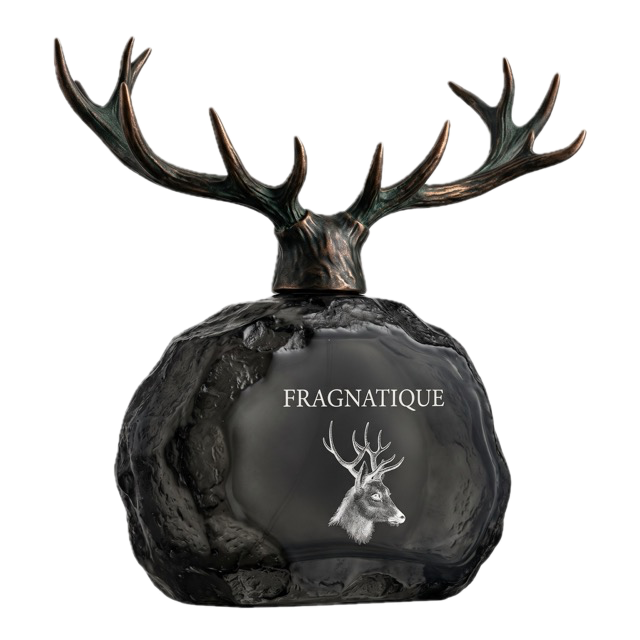
Resinous fragrances
Amber, labdanum, benzoin, leather and tobacco: winter warmth.
Resinous fragrances are perfumes built around warm, balsamic, slightly sweet base materials: amber, labdanum, benzoin, leather, tobacco, and musk. Where citrus and floral compositions live at the top of a scent, resinous notes live at the bottom, providing the deep, glowing foundation that radiates off skin for hours and gives a fragrance its sense of weight and comfort.
This is the family people reach for when the temperature drops. A resinous base behaves like body heat: it expands in the cold, settles close on the skin, and leaves a soft trail rather than a sharp blast. The character ranges from the smoky, suede-like darkness of Tom Ford Tuscan Leather to the spiced honey warmth of Serge Lutens Ambre Sultan, but the common thread is always richness over brightness.
If you are choosing a fragrance for autumn nights, cold-weather dressing, or any evening where you want presence without volume, the resinous family is the place to start. It rewards confidence and pairs naturally with wool, leather, and candlelight.
What defines a resinous fragrance
Resinous fragrances are defined by their base, not their opening. The structure leans on heavy, low-volatility materials (labdanum, benzoin, amber accords, leather, tobacco, and musk) that evaporate slowly and act as their own fixatives. On skin this produces a warm, balsamic, faintly sweet glow that hugs the body rather than projecting outward, intensifies in the cold, and lasts well into a second day on fabric. The dry-down is the whole point: where the fragrance ends up matters more than where it begins.
- Amber: a warm, golden accord of labdanum, vanilla, and benzoin rather than a single ingredient, and the signature scent-print of the family
- Labdanum: the sticky resin of the rockrose, leathery and ambery, the backbone of most amber accords
- Benzoin: a sweet, vanillic, balsamic resin that adds soft warmth and acts as a natural fixative
- Leather: a cured-hide accord built from birch tar, saffron, or isobutyl quinoline, ranging from smoky to suede-soft
- Tobacco: dried, honeyed, slightly spiced leaf that reads as cozy and slightly boozy
- Musk: a warm, skin-like material (almost always a synthetic white musk today) that adds depth and sensuality
- White musk: the clean, soft, laundered facet of musk used for a gentler, more radiant warmth
- Frankincense and myrrh: smoky church resins that push the family toward incense and meditation
- Styrax: a warm, slightly smoky balsam often used alongside leather accords
- Vanilla: a frequent partner that sweetens the resins and bridges the family toward gourmand
Iconic resinous fragrances
A starting shortlist of widely respected resinous fragrances, from mainstream pillars to niche. Open any of them in Fragnatique to see the full notes pyramid and your personal match score.
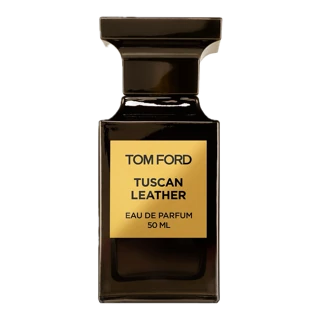 Tom Ford Tuscan Leatherthe modern leather benchmark, smoky raspberry and suede over a resinous base
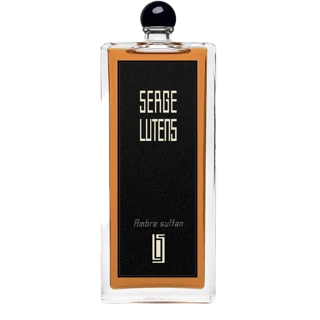 Serge Lutens Ambre Sultanthe reference spiced amber, labdanum and benzoin with herbs and honey
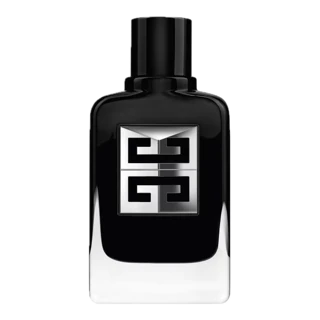 Givenchy Gentleman Societya contemporary mainstream pillar built on warm amber and white floral comfort
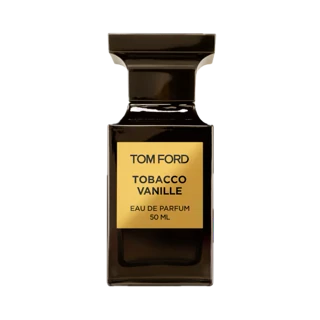 Tom Ford Tobacco Vanillethe defining tobacco-amber, honeyed leaf wrapped in vanilla and spice
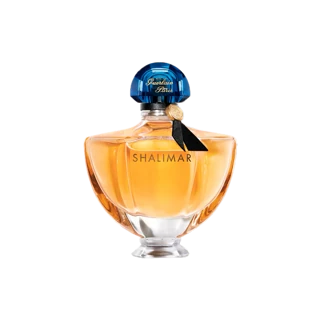 Guerlain Shalimarthe historic amber masterpiece that codified the warm resinous structure
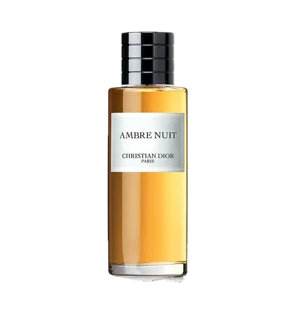 Dior Ambre Nuitan elegant amber-rose that shows the family at its most refined
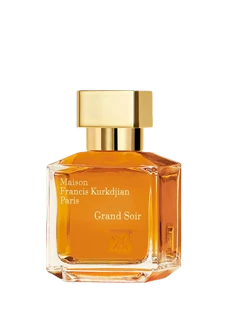 Maison Francis Kurkdjian Grand Soira luminous benzoin and amber accord, radiant warmth without heaviness
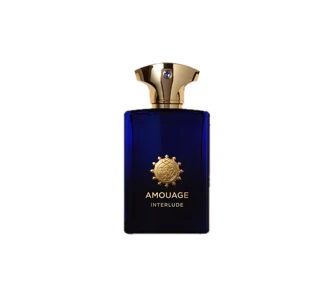 Amouage Interlude Mana smoky incense and resin powerhouse, the family at maximum intensity
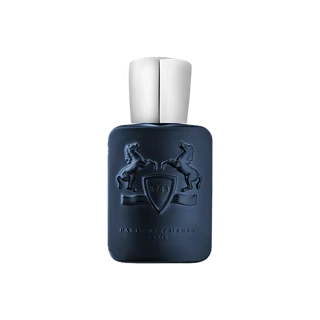 Parfums de Marly Laytona crowd-pleasing amber-vanilla with apple and spice, a resinous-gourmand bridge
- Mancera Roses Greedya sweet amber and praline base under rose, a gourmand-leaning resinous
- Tom Ford Ombre Leathera soft, wearable suede-amber that made leather accessible to newcomers
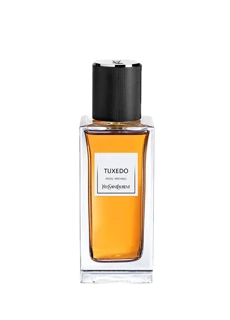 Yves Saint Laurent Tuxedoa warm leather and amber take on the YSL house style
- Initio Oud for Greatnessan oud-amber-saffron blend that bridges resinous into woody depth
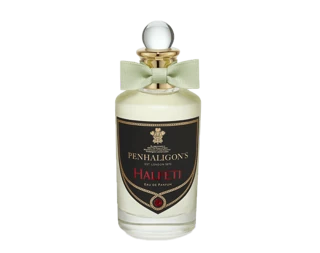 Penhaligon's Halfetia dark, spiced leather and resin composition with classic British richness
- Prada L'Homme Intensea powdery amber and leather warmth that softens the family for daytime
- Tom Ford Tobacco Oudtobacco, oud, and spice fused into one of the family's smokiest statements
Not sure which resinous is yours?
Fragnatique scores every fragrance against your personal taste profile and explains the reasoning behind each match. Find your fit in minutes.
Frequently asked
- What are resinous fragrances?
- Resinous fragrances are perfumes built around warm, balsamic base materials such as amber, labdanum, benzoin, leather, tobacco, and musk. These slow-evaporating resins give a scent its deep, golden warmth and long-lasting glow on skin. The family is prized for cold-weather wear because the notes intensify in low temperatures and hug the body rather than projecting sharply outward.
- What is the best resinous fragrance for beginners?
- Tom Ford Ombre Leather and Parfums de Marly Layton are the easiest entry points. Ombre Leather offers a soft, wearable suede-amber that is rarely overwhelming, while Layton wraps amber and vanilla in friendly apple and spice. Both deliver the signature resinous warmth without the smoke or animalic depth that can make heavier options feel intimidating to a first-time wearer.
- Do resinous fragrances last a long time?
- Yes. Resinous fragrances are among the longest-lasting perfumes because their core materials, including labdanum, benzoin, and amber accords, are heavy and slow to evaporate, often acting as their own fixatives. Most resinous scents perform for eight hours or more on skin and can remain detectable on fabric into the next day, which is why a light application is usually enough.
- When should you wear resinous perfumes?
- Resinous perfumes are best worn in autumn and winter and in the evening. The warm, balsamic notes expand in cold air and feel cozy against wool and leather, while the same richness can become heavy in summer heat. They suit dinners, dates, and cold-weather dressing where you want a noticeable but close-wearing scent rather than a fresh daytime spritz.
- What is the difference between resinous and woody fragrances?
- Woody fragrances center on dry materials like cedar, sandalwood, and vetiver, reading crisp and structural. Resinous fragrances center on sweet, balsamic resins like amber, benzoin, and labdanum, reading warm and rounded. The two families bridge constantly, since many perfumes pair sandalwood with amber, but resinous compositions feel softer and sweeter while woody ones feel sharper and drier.
Prefer the narrative version? Read the full fragrance families guide, or browse the complete fragrance catalogue.