Citrus fragrances
Bergamot, lemon, neroli and grapefruit: perfumery's brightest family.
Citrus fragrances are perfumes built around the zesty, sun-bright notes of bergamot, lemon, neroli, and grapefruit, the lightest and freshest of the eight fragrance families. They smell like cut peel, blossom, and clean energy, and they read as immediate, optimistic, and effortless rather than heavy or sweet. This is the family most newcomers gravitate toward first, because almost nobody dislikes the smell of a freshly sliced lemon or an orange grove in bloom.
The trade-off is longevity. Citrus oils are volatile, so they evaporate quickly, and a purely citrus composition often fades within an hour or two. The fragrances that endure pair their bright opening with a quiet base borrowed from another family, usually a touch of woods, musk, or herbs, which is why so many beloved citrus scents are technically citrus hybrids. For buyers, that means choosing between a true classic cologne to spritz often and a longer-lasting citrus-woody for all-day wear.
What defines a citrus fragrance
Structurally, a citrus fragrance is defined by hesperidic notes (the oils pressed from citrus rind: bergamot, lemon, grapefruit, mandarin) sitting at the top of the pyramid, frequently rounded by neroli or petitgrain from the bitter orange tree. On skin the effect is fast and luminous: a sparkling, slightly tart burst that lifts off within minutes and softens as it dries down. Because the molecules are so light, the family lives almost entirely in the top notes, so the base from a supporting family determines whether the scent lasts an hour or all afternoon.
- Bergamot, the bittersweet Calabrian citrus that anchors most colognes
- Lemon, sharp and clean, often in Sicilian or Amalfi varieties
- Neroli, the sweet floral oil distilled from bitter orange blossom
- Grapefruit, tart and slightly bitter with a pink, juicy facet
- Petitgrain, green and woody, pressed from orange tree leaves and twigs
- Mandarin and orange, the sweeter, rounder citrus notes
- Lime, zesty and effervescent with a faintly tropical edge
- Yuzu, the bright Japanese citrus prized for its crisp lift
- Orange blossom, the heady white-floral counterpart to neroli
- Verbena (lemon verbena), green, lemony, and aromatic
Iconic citrus fragrances
A starting shortlist of widely respected citrus fragrances, from mainstream pillars to niche. Open any of them in Fragnatique to see the full notes pyramid and your personal match score.
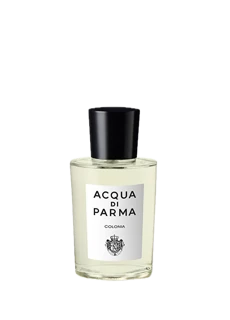 Acqua di Parma Coloniathe definitive Italian cologne, bright bergamot and citrus over a soft floral-woody base
- Atelier Cologne Orange Sanguinea juicy blood orange built to last longer than a classic cologne
- Hermes Eau d'Orange Vertethe archetypal green citrus, orange and lemon laced with herbs
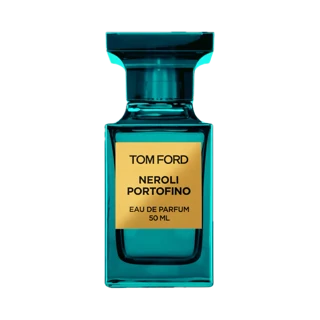 Tom Ford Neroli Portofinoluxe Mediterranean neroli and citrus, the family's most coveted designer pillar
- Creed Aventus Colognea fresher, more citrus-forward take on the famous fruity-woody blend
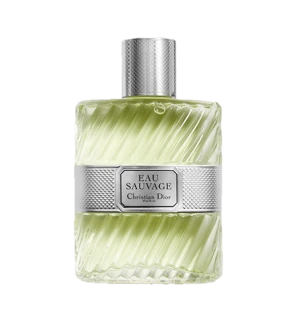 Dior Eau Sauvagea 1966 landmark that defined the modern citrus-aromatic cologne
- Guerlain Eau de Cologne Imperialean 1853 classic still setting the standard for bergamot freshness
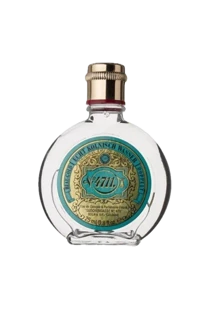 4711 Original Eau de Colognethe original eau de cologne, the historical blueprint for the entire family
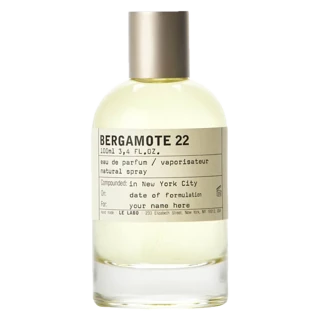 Le Labo Bergamote 22a niche bergamot study that stretches citrus into a creamy, lasting skin scent
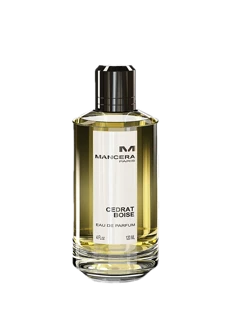 Mancera Cedrat Boisecitron and grapefruit grounded on woods, a high-performance citrus crowd-pleaser
- Chanel Eau de Cologne (Les Exclusifs)an elegant, refined house take on the timeless citrus cologne
- Acqua di Parma Arancia di Capria sparkling, sun-drenched orange from the Blu Mediterraneo line
- Maison Francis Kurkdjian Aqua Universalisa clean, luminous citrus-floral admired as a versatile fresh signature
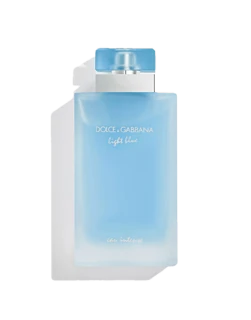 Dolce & Gabbana Light Bluea hugely popular Sicilian lemon and apple summer staple
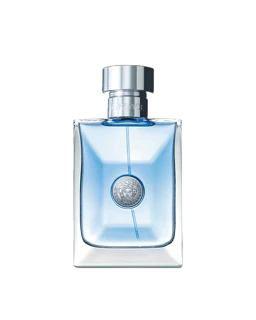 Versace Pour Hommea mass-market bergamot and neroli fresh fougere-citrus favorite
- Jo Malone Lime Basil & Mandarina fresh lime and mandarin signature, one of the most recognizable citrus colognes
Not sure which citrus is yours?
Fragnatique scores every fragrance against your personal taste profile and explains the reasoning behind each match. Find your fit in minutes.
Frequently asked
- What are citrus fragrances?
- Citrus fragrances are perfumes built around hesperidic notes, the oils pressed from citrus rind, including bergamot, lemon, grapefruit, and mandarin, usually rounded by neroli or petitgrain from the bitter orange tree. Citrus is the lightest and freshest of the eight fragrance families, sparkling and slightly tart in the opening and soft in the dry-down. Because citrus oils are highly volatile, a purely citrus composition often fades within one to two hours unless it is built on a woody or musky base.
- What are the best citrus fragrances to start with?
- Acqua di Parma Colonia and Tom Ford Neroli Portofino are the two most reliable starting points, both clean, universally flattering, and easy to wear. For better value, Atelier Cologne Orange Sanguine and Dolce & Gabbana Light Blue deliver classic citrus freshness at a lower price. All four are safe daytime choices that almost nobody finds offensive.
- Do citrus fragrances last long?
- Pure citrus fragrances are short-lived, often fading within one to two hours, because citrus oils are highly volatile and evaporate fast. Longevity improves dramatically when the scent is built on a woody or musky base. For lasting wear, choose citrus-woody hybrids like Mancera Cedrat Boise or Le Labo Bergamote 22, or simply carry a travel spray and reapply.
- Are citrus fragrances good for summer?
- Citrus is the ideal summer family. Its bright, fresh, slightly tart character cuts through heat and humidity without turning cloying, and it never feels heavy on warm skin. Late spring and summer are its natural seasons, making it perfect for daytime, the office, travel, and hot weather when richer scents become overwhelming.
- What is the difference between a cologne and a citrus perfume?
- Cologne (eau de cologne) is the historical name for a light citrus composition, low in concentration and meant to be splashed on generously. Most colognes are citrus fragrances, but in modern usage cologne also loosely means any lighter, fresher scent. A citrus perfume simply means any fragrance dominated by citrus notes, at any concentration.
- Are citrus fragrances unisex?
- Most citrus fragrances are naturally unisex. Bergamot, lemon, neroli, and grapefruit carry no inherent gender, and many classics like Acqua di Parma Colonia and Hermes Eau d'Orange Verte are worn equally by everyone. Citrus paired with florals can read softer, while citrus paired with aromatic herbs or woods can read sharper, but the family itself is among the most universally wearable.
Prefer the narrative version? Read the full fragrance families guide, or browse the complete fragrance catalogue.