

Key facts
- June 2012The EU's scientific committee, the SCCS, adopts its opinion on fragrance allergens.
- 2 August 2017Commission Regulation (EU) 2017/1410 bans HICC, atranol and chloroatranol in cosmetics.
- 23 August 2019New products containing them may no longer be placed on the EU market.
- 23 August 2021No cosmetic containing them may be made available in the EU at all.
- Evernia prunastriOak tree moss, the lichen whose extract carries atranol and chloroatranol.
- HICCThe one synthetic fragrance chemical among the three, the SCCS says.
What is oak moss, and why is it an allergen?
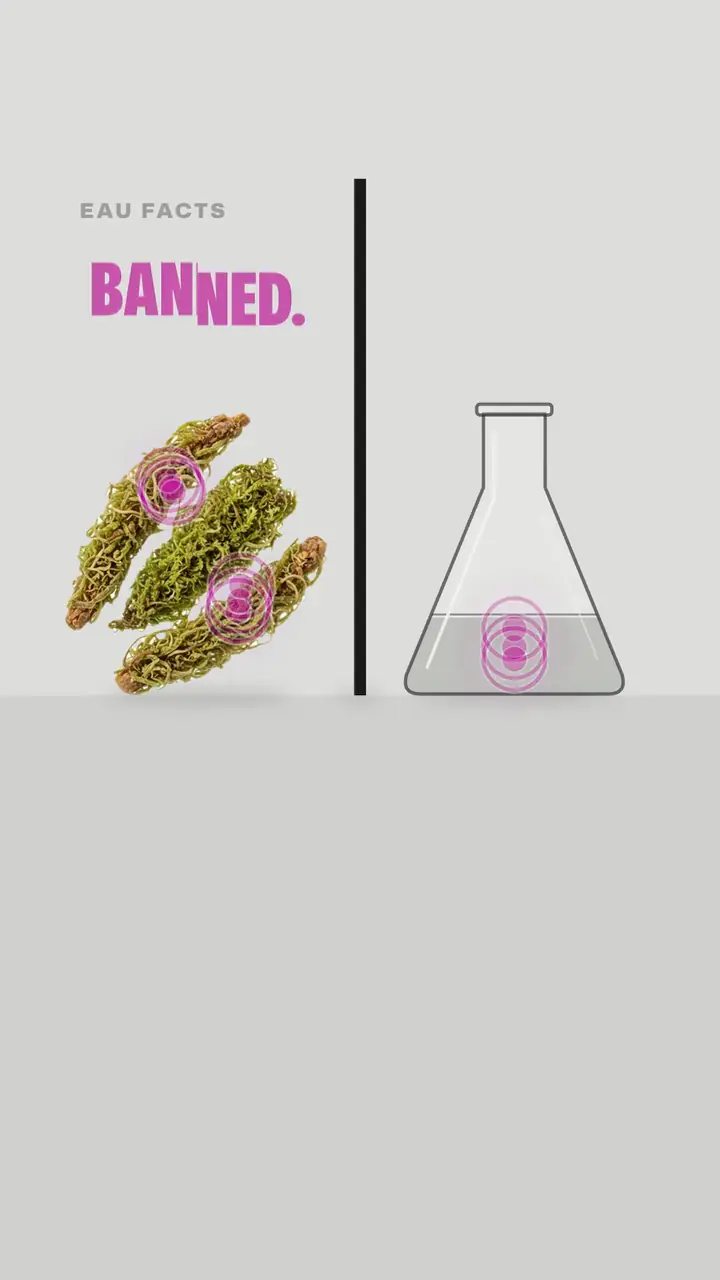
Oak moss absolute is a lichen extract used in perfumery. A 2014 study in Acta Dermato-Venereologica tested oak moss absolutes with high and low levels of atranol and chloroatranol, and calls those two components strong contact allergens. The EU regulation names the lichens behind them: oak tree moss, Evernia prunastri, and treemoss, Evernia furfuracea.
What did the EU ban in perfume?
Regulation (EU) 2017/1410 added HICC, atranol and chloroatranol to the list of substances prohibited in cosmetics, which under EU law include perfumes, toilet waters and eau de Cologne. New products containing them could not be placed on the market from 23 August 2019, and from 23 August 2021 no cosmetic containing them may be made available in the EU.
Is oak moss banned in the EU?
No. The rule names the two molecules, not oak moss itself. Oak moss extract stays in Annex III of the cosmetics regulation, entry 91, among substances allowed with restrictions and ingredient labelling. EU law also still allows technically unavoidable traces of a prohibited substance, so the ban removes the allergens as ingredients rather than promising zero.
Are natural extracts reported as allergens more often?
The evidence does not split neatly. The SCCS opinion of 2012 says natural extracts such as Myroxylon pereirae and turpentine oil had been reported more often than HICC, yet HICC, a synthetic, was banned alongside the two moss allergens. The regulation itself notes that contact allergies to fragrances are normally confined to skin.
Sources
Primary sources only. Every statement on this page restates one of them, read by the Fragnatique team.