
Key facts
- 1 July 2019Bongers and colleagues publish Frankincense in peril in Nature Sustainability.
- Boswellia papyriferaThe tree species the study calls the main source of frankincense today.
- Over 75 percentShare of studied populations that lacked small trees.
- 18 of 23Populations with hardly any young trees, Wageningen University reported.
- 20 yearsThe time in which the models projected production would halve.
- Land of PuntWhere Egyptian frankincense and myrrh traditionally came from, in the area of Eritrea and Somalia.
Where does frankincense come from?
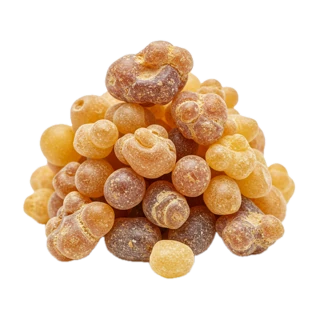
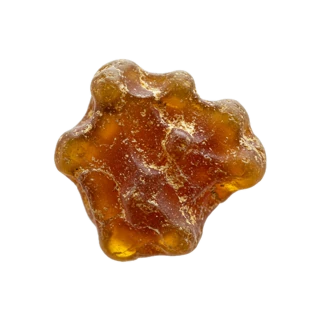
Frankincense is an aromatic resin taken from natural populations of Boswellia trees and shrubs, cherished for centuries, the 2019 study says. It is an old perfume material: the UCLA Encyclopedia of Egyptology notes that frankincense and myrrh are among the ingredients most often named in Egyptian perfume texts, and that they traditionally came from the land of Punt, in the area of Eritrea and Somalia.
Are young frankincense trees growing back?
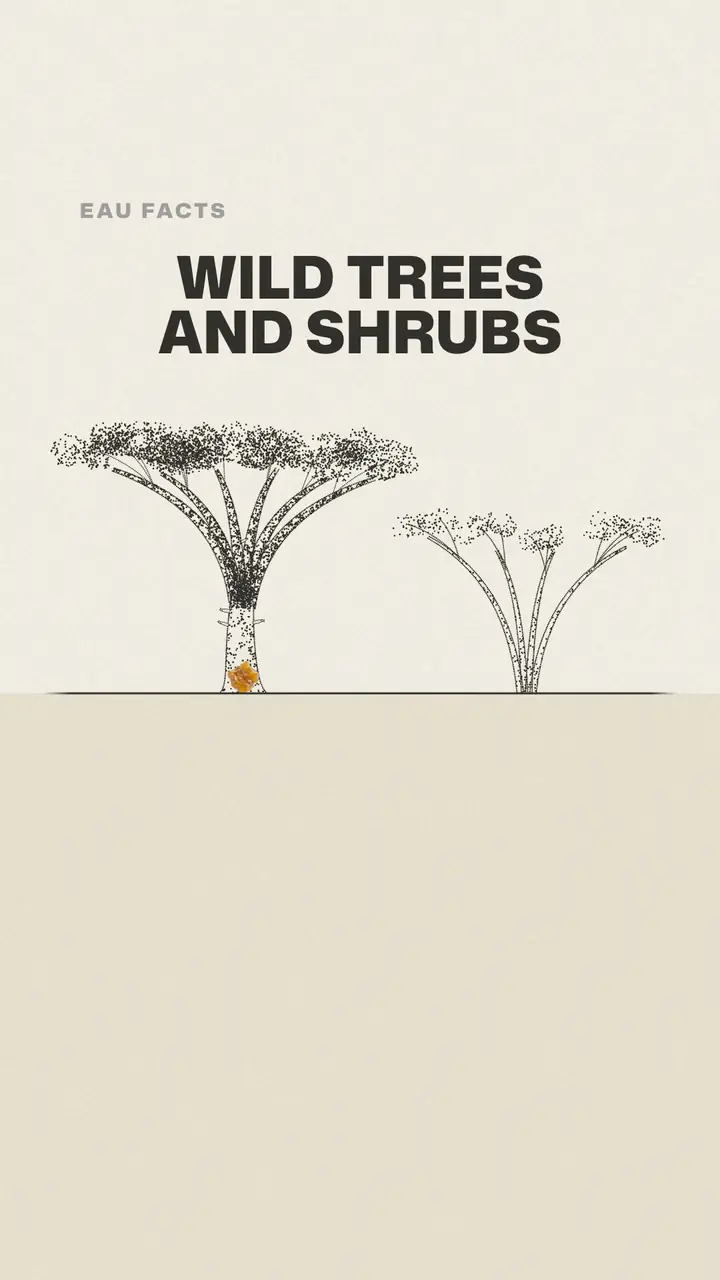
Hardly. The study found over 75 percent of the populations it examined lacked small trees, and that natural regeneration had been absent for decades. Wageningen University's release gives the detail: 18 of the 23 populations had hardly any young trees, and in two of four populations studied closely the gap was half a century, a quarter century in the other two. Most stands were old trees.
Why are frankincense trees declining?
The authors blame increased human population pressure on the Boswellia woodlands, through three causes: cattle grazing, frequent burns and reckless tapping for resin. Wageningen University sums it up: with older trees dying and no young ones coming up, the populations are declining fast. The study speaks of this decline as jeopardising future resin production.
Will frankincense run out?
The study does not say it will. Its demographic models projected in 2019 that production would be halved in 20 years: a forecast, not a measured fall, and production goes on today. The paper ends with a call to action: concerted conservation and restoration efforts are urgently needed to secure the long-term availability of this iconic product.
Sources
Primary sources only. Every statement on this page restates one of them, read by the Fragnatique team.