



Key facts
- 1958Dr. E. Demole discovers Hedione at Firmenich, the company's sheet says.
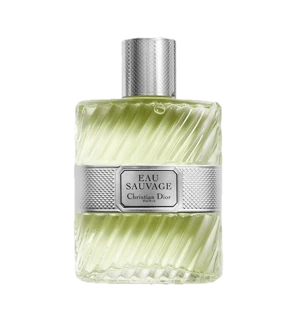
- 1966Edmond Roudnitska composes Eau Sauvage, the first men's fragrance from Dior.
- 2.5 percentThe published share of Hedione in Eau Sauvage, kept small by its early cost.
- 26 percentHedione in Chanel's Cristalle of 1993, the University of Bristol lists.
- 65 percentHedione in Comme des Garçons' Odeur 53 of 1998.
- Presence, not strengthWhat Firmenich says Hedione gives a perfume.
What does Hedione smell like?
Firmenich describes it as an elegant, transparent floral jasmine note with citrus freshness, and as a material that is by itself quietly understated and easily underestimated. The University of Bristol's Molecule of the Month page agrees that on its own Hedione does not have a strong smell, and says the name was given by its inventors at the perfume company Firmenich.
Why was Hedione in Eau Sauvage?
Dior says Eau Sauvage, the first men's fragrance from the house, gave a floral note, hedione, a masculine interpretation, and calls it a bold choice. Bristol and Chemistry World both report that Hedione was very expensive at first, which partly explains the tiny 2.5 percent in that formula. These are published accounts; Dior has not released the formula.
How much Hedione do perfumes use?
Far more since. Bristol says that with economies of scale its cost came down and it came to be used in greater amounts, listing Chanel's Cristalle of 1993 at 26 percent and Comme des Garçons' Odeur 53 of 1998 at 65 percent. Chemistry World says refinements in manufacturing lowered the price, demand rose, and perfumers could use increasing proportions.
What does Hedione do in a perfume?
It lifts more than it loudens. Firmenich says Hedione exalts floralcy and does not necessarily increase strength, but bestows presence, noticeability and diffusion. Bristol quotes Christian Chapuis of Firmenich saying Hedione rendered perfumes round, floral and diffusive, and says it gave some perfumes a greater faculty to fill a room with fragrance.
Sources
Primary sources only. Every statement on this page restates one of them, read by the Fragnatique team.