Aromatic fragrances
Lavender, mint, rosemary and sage: the classic fougere.
Aromatic fragrances are built around cool, green herbs: lavender, mint, rosemary, basil, and sage, scents that read as fresh and bracing rather than floral or sweet. This is the family that defines the classic barbershop cologne, and at its heart sits the fougere, the lavender, oakmoss, and coumarin structure (fougere is French for fern) that has anchored men's perfumery for over a century. If you have ever caught the clean, slightly bitter lift of a well-groomed scent and could not name it, you were almost certainly smelling an aromatic.
For a long time aromatics were coded strictly masculine, but that line has blurred. Aromatic fragrances are now worn across genders, with herbal lavenders and minty greens chosen by anyone who wants something crisp and confident. Aromatic compositions tend to be daytime workhorses: easy to wear, office-safe, and reliably flattering. This page is a buyer's shortlist for the family, the iconic mainstream pillars and the respected niche picks worth knowing before you choose.
What defines a aromatic fragrance
An aromatic fragrance is structurally defined by cool herbal materials, lavender above all, supported by mint, rosemary, basil, sage, and clary sage, usually opening over citrus and resolving into a woody or mossy base. The classic expression is the fougere accord (lavender plus coumarin plus oakmoss), which gives that signature clean, slightly powdery, freshly shaven feel. On skin aromatics read bright and green up top, then settle into a smooth, soft-focus drydown. They are typically crisp and projective early, then close to the skin, making them comfortable rather than overwhelming.
- Lavender, the central pillar of the family, cool and slightly soapy with a herbal-floral lift
- Coumarin, the sweet, hay-like, almost almond facet that binds the classic fougere together
- Oakmoss, the dark green, earthy material that grounds traditional aromatic bases
- Rosemary, sharp, camphorous, and energising, adding a bracing herbal edge
- Mint and spearmint, cooling and clean, giving aromatics their fresh snap
- Basil, green and slightly peppery, lending a culinary herbal twist
- Sage and clary sage, dry, herbaceous, and subtly aromatic-balsamic
- Geranium, rosy and minty-green, a frequent bridge between herb and flower
- Bergamot and citrus, the bright top that opens most fougeres
- Tonka bean, a warm, soft, vanillic counterpoint to the cool herbs
Iconic aromatic fragrances
A starting shortlist of widely respected aromatic fragrances, from mainstream pillars to niche. Open any of them in Fragnatique to see the full notes pyramid and your personal match score.
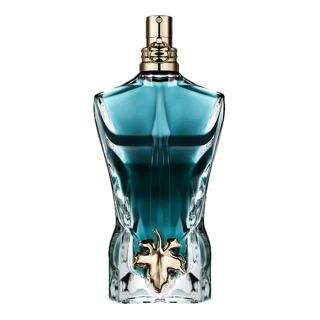 Jean Paul Gaultier Le Beaua modern aromatic-woody pillar that made fresh herbal-coconut greens feel contemporary
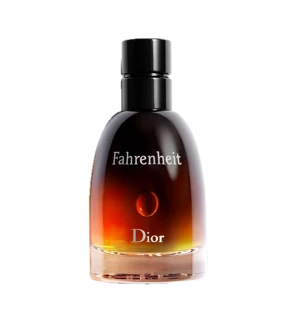 Dior Fahrenheitthe iconic violet-leaf-and-petrol aromatic, instantly recognisable and endlessly copied
- Guerlain Jickythe historical cornerstone, a lavender-civet aromatic considered one of the first modern perfumes
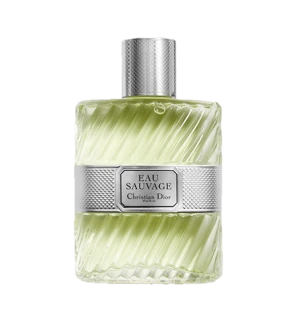 Dior Eau Sauvagethe benchmark citrus-aromatic, a fresh hesperidic fougere that defined elegant freshness
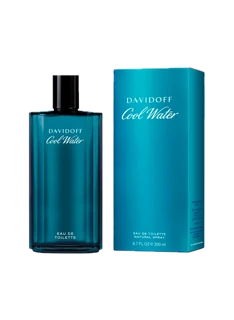 Davidoff Cool Waterthe blockbuster aquatic fougere that shaped the fresh aromatic genre for a generation
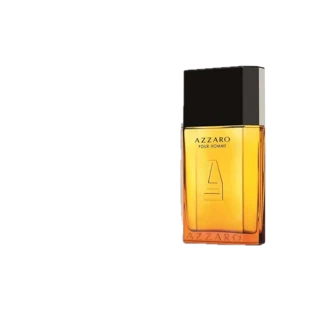 Azzaro pour Hommea textbook aromatic fougere, herbal, woody, and unmistakably classic
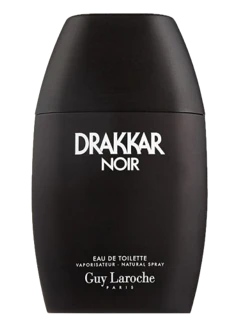 Guy Laroche Drakkar Noirthe bold, dark fougere that defined the assertive aromatic style of its era
- Paco Rabanne pour Hommea green, herbaceous vintage fougere prized for its rosemary and clary sage
- Caron Pour Un Hommethe purest lavender-vanilla aromatic, simple and timelessly comforting
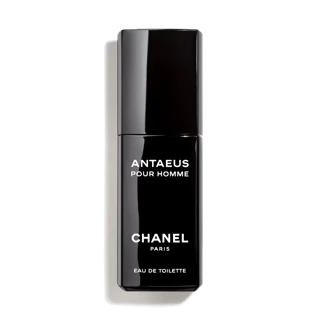 Chanel Antaeusa leathery, mossy aromatic with a rich herbal-animalic depth
- Prada Luna Rossaa polished modern fougere built on lavender, mint, and ambery clarity
- Penhaligon's Sartoriala refined niche fougere evoking a tailor's workshop, beeswax over aromatic herbs
- Editions de Parfums Frederic Malle French Lovera sophisticated green aromatic that foregrounds galbanum, angelica, and herbs
- Houbigant Fougere Royalethe historical reference fougere, the composition that named the entire structure
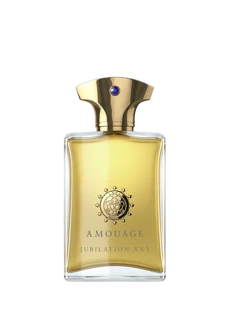 Amouage Jubilation XXV Manan opulent niche aromatic-spicy blend with herbal frankincense richness
- Dolce&Gabbana Light Blue pour Hommea crowd-pleasing aromatic-citrus made for bright, easy summer wear
Not sure which aromatic is yours?
Fragnatique scores every fragrance against your personal taste profile and explains the reasoning behind each match. Find your fit in minutes.
Frequently asked
- What are aromatic fragrances?
- Aromatic fragrances are perfumes built around cool green herbs, principally lavender, supported by mint, rosemary, basil, sage, and clary sage, usually opening over citrus and resolving into a woody or mossy base. Aromatic is the family behind the classic barbershop cologne, and it reads fresh and bracing rather than floral or sweet. The defining structure is the fougere accord of lavender, coumarin, and oakmoss, which gives the clean, freshly shaven character.
- What is the difference between a fougere and a chypre?
- A fougere is built from lavender, coumarin, and oakmoss, giving the clean, slightly powdery, freshly shaven character of the classic barbershop cologne; fougere is French for fern, and Houbigant Fougere Royale is the composition that named the structure. A chypre is built from a citrus top, a floral heart, and an oakmoss and labdanum base, giving a drier, mossier, more austere effect, with Guerlain Mitsouko as the canonical example. Both lean on oakmoss, but a fougere leads with lavender and a chypre leads with citrus over moss, which is why fougeres belong to the aromatic family and chypres belong to the earthy family.
- What is the best aromatic fragrance for beginners?
- For a first aromatic, start with crowd-tested fougeres that are easy to wear and widely available. Dior Eau Sauvage offers elegant citrus-herbal freshness, Davidoff Cool Water is the affordable fresh aquatic fougere, and Prada Luna Rossa is a polished modern lavender-mint blend. All three are versatile, office-safe, and forgiving, which makes them ideal entry points into the family.
- Do aromatic fragrances last a long time?
- Aromatics are typically moderate in longevity. The cool herbs and citrus that open them are volatile and fade within a few hours, while the fougere base of coumarin, oakmoss, and woods can linger six to eight hours on skin. Eau de parfum concentrations and richer niche aromatics last noticeably longer than the lighter colognes and fresh aquatic styles.
- Are aromatic fragrances only for men?
- No. Aromatics were historically marketed to men through the classic fougere, but the family is now broadly genderless. Lavender, mint, and green herbs carry no inherent gender, and many herbal aromatics wear beautifully on anyone who prefers crisp freshness to florals or sweetness. Choose by the notes and the vibe rather than the marketing label on the bottle.
- What is the difference between aromatic and citrus fragrances?
- Citrus fragrances lead with bright, juicy hesperidic notes like bergamot, lemon, and grapefruit, and they tend to be light and sparkling. Aromatic fragrances lead with cool green herbs like lavender, rosemary, and sage, giving a more bracing, slightly bitter character. The two families overlap constantly in citrus-aromatic colognes, where a citrus top sits over a herbal fougere heart.
Prefer the narrative version? Read the full fragrance families guide, or browse the complete fragrance catalogue.