Earthy fragrances
Oakmoss, patchouli and vetiver: the chypre backbone.
Earthy fragrances are built around the smell of the ground itself: oakmoss, patchouli, vetiver, wet soil, and the cool mineral note of mushroom and rain. They are the darkest of the fragrance families and the structural backbone of the classic chypre, the citrus-and-oakmoss accord that defined sophisticated perfumery for most of the twentieth century. Where woody scents reach for the dry heart of the tree, earthy scents reach for the roots and the loam beneath it.
This is a family for people who find most modern releases too sweet, too clean, or too loud. An earthy perfume reads as serious and lived-in rather than fresh out of the bottle, which is exactly why it rewards the buyer willing to test before committing. Below you will find what defines the family, who it suits, the seasons it loves, and a shortlist of the most iconic earthy fragrances worth smelling first, from mainstream pillars to respected niche.
What defines a earthy fragrance
An earthy fragrance is defined by base notes drawn from the soil and the plants rooted in it: oakmoss for its damp, inky greenness, patchouli for its dark cellar warmth, and vetiver for its cool, rooty bite. On skin the family behaves slowly and close to the body in its early life, then opens into a long, grounded dry-down that can run eight hours or more. Earthy compositions feel low-pitched rather than sparkling, gaining presence as they warm rather than fading, which makes them read as quietly substantial.
- Oakmoss: the inky, damp-forest green that anchors every true chypre
- Patchouli: dark, slightly sweet cellar warmth, the most recognisable earthy note
- Vetiver: cool, smoky, rooty grass with a mineral edge
- Wet soil and petrichor: the literal smell of rain on dry ground
- Mushroom and humus: cool, fungal dampness that adds shadow
- Geosmin: the compound behind the scent of fresh earth and rain
- Labdanum: resinous amber-leather that completes the classic chypre base
- Beetroot: a cool, sweet-earthy root note used in contemporary earthy accords
- Galbanum: a sharp, bitter green resin that bridges earthiness toward cut stems and foliage
- Dried leaves and forest floor: the decaying, autumnal facet that gives earthy scents their damp cast
Iconic earthy fragrances
A starting shortlist of widely respected earthy fragrances, from mainstream pillars to niche. Open any of them in Fragnatique to see the full notes pyramid and your personal match score.
- Guerlain Mitsoukothe canonical chypre, peach over an oakmoss base that defines the family
- Chanel Sycomoresmoky vetiver done with restraint, the modern earthy benchmark
- Diptyque L'Ombre dans l'Eaublackcurrant leaf and rose over a damp, green earthiness
- Frederic Malle The Nightdeep, animalic rose-oud with a dark soil-like gravity
- Le Labo Patchouli 24smoky, leathery patchouli that pushes the family to its darkest
- Hermes Vetiver Tonkaroasted vetiver softened by tonka, an approachable earthy gateway
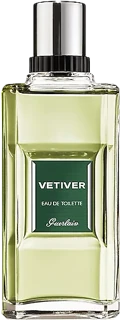 Guerlain Vetiverthe classic gentleman's vetiver, crisp and rooty
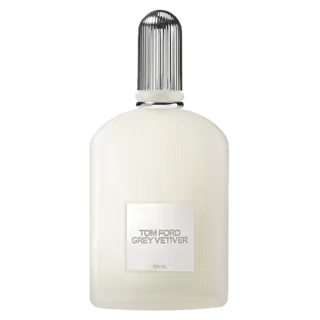 Tom Ford Grey Vetiverpolished, mineral vetiver with a clean earthy spine
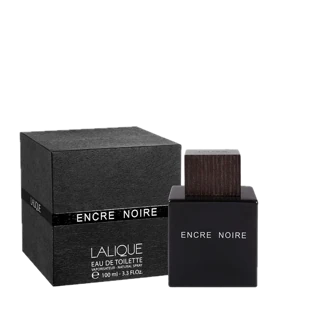 Lalique Encre Noirecold, dark vetiver and cypress, an inky cult earthy scent
- Frederic Malle Vetiver Extraordinairethe most concentrated, uncompromising vetiver in modern niche
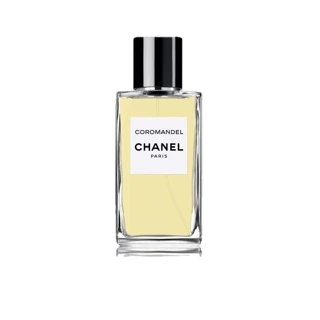 Chanel Coromandelplush patchouli wrapped in amber and white chocolate warmth
- Dior Patchouli Imperialrefined, slightly fresh patchouli for everyday earthy wear
- Guerlain Mitsouko Eau de Parfumthe richer concentration of the reference chypre
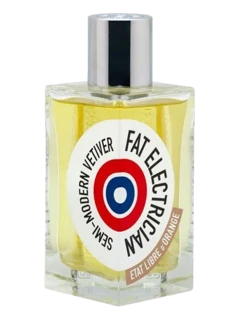 Etat Libre d'Orange Fat Electrician Semi-Modern Vetivervetiver crossed with chestnut and myrrh, a contemporary earthy take
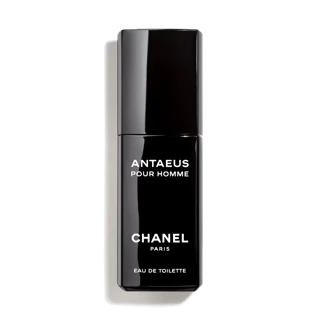 Chanel Antaeusmossy, leathery vintage masculine rooted in oakmoss
- Serge Lutens Borneo 1834dry, cocoa-edged patchouli, a niche cult earthy classic
Not sure which earthy is yours?
Fragnatique scores every fragrance against your personal taste profile and explains the reasoning behind each match. Find your fit in minutes.
Frequently asked
- What are earthy fragrances?
- Earthy fragrances are perfumes built around the smell of the ground itself: oakmoss, patchouli, vetiver, wet soil, and the cool mineral note of mushroom and rain. Earthy is the darkest of the eight fragrance families and the structural backbone of the classic chypre. Where woody fragrances reach for the dry heart of the tree, earthy fragrances reach for the roots and the loam beneath it, which is why they read cooler, damper, and more lived-in.
- What is a chypre fragrance?
- A chypre is a fragrance built on a citrus top, a floral heart, and an oakmoss and labdanum base, and it is the structure that defines the earthy family. Guerlain Mitsouko is the canonical chypre, a peach and spice accord sitting over damp oakmoss. Modern chypres substitute restricted oakmoss with derivatives or synthetics because of IFRA limits on the natural material, so a contemporary chypre reads cleaner and less inky than a vintage one.
- What are the best earthy fragrances for beginners?
- Start with the softer, more wearable end of the family. Hermes Vetiver Tonka and Tom Ford Grey Vetiver ease you into vetiver with sweetness and polish, while Dior Patchouli Imperial gives a clean, approachable patchouli. These are easier first steps than a vintage chypre like Guerlain Mitsouko, which is denser and more demanding for a new earthy wearer.
- Do earthy fragrances last long on the skin?
- Yes. Earthy fragrances are among the longest lasting of any family because oakmoss, patchouli, and vetiver are heavy base materials that cling to skin and fabric. Many wear eight hours or more, and patchouli-led scents can still be detectable the next morning. They project softly and close rather than loudly, so longevity rarely means overwhelming a room.
- Are earthy fragrances unisex?
- Most earthy fragrances are unisex. Vetiver, oakmoss, and patchouli sit comfortably on any wearer, which is why earthy scents are often the most genuinely unisex in a collection. Chanel Sycomore, Le Labo Patchouli 24, and Frederic Malle Vetiver Extraordinaire are worn across genders. The family skews a touch more masculine in mainstream marketing, but the notes themselves carry no fixed gender.
- What is the difference between earthy and woody fragrances?
- Woody fragrances center on the dry heart of trees, cedar, sandalwood, and oud, giving a warm, polished feel. Earthy fragrances center on the ground beneath them: damp oakmoss, dark patchouli, rooty vetiver, and wet soil. Earthy scents read cooler, darker, and more humid, while woody scents read drier and warmer. The two families overlap and bridge often through vetiver.
- When should I wear an earthy fragrance?
- Earthy fragrances are at their best in autumn and winter and on cool, rainy days, when low temperatures let the dark base notes bloom slowly. They suit evenings, the office, and considered cool-weather dressing rather than hot summer afternoons, where the density can feel heavy. A lighter vetiver can stretch into spring, but the family is built for cold air.
Prefer the narrative version? Read the full fragrance families guide, or browse the complete fragrance catalogue.