Spicy fragrances
Pepper, cardamom, cinnamon and saffron, rarely worn alone.
Spicy fragrances are perfumes built around culinary and resinous spice notes (pink and black pepper, cardamom, cinnamon, saffron, ginger, and clove) that add heat, texture, and a sense of movement to a composition. Pure spice is too sharp to wear on its own for hours, so the family almost always appears in tandem with another: spicy-gourmand, spicy-woody, or spicy-floral. The spice is the spark, and a softer family is the fuel that carries it through the dry-down.
For a buyer, this is the family that reads as confident and grown-up rather than fresh or sweet. A peppery opening signals polish; a saffron or cinnamon heart signals warmth and a little drama. Spicy perfumes lean cool-weather and evening, which makes them a natural second purchase once you already own something clean for daytime. They are how most people graduate from safe to memorable.
What defines a spicy fragrance
Structurally, a spicy fragrance leads with high-impact aromatic spices that flash bright in the opening then settle into a warm, slightly dry texture as the perfume develops. Peppers (pink, black, Sichuan) sparkle in the top and fade fast. Cardamom and ginger sit in the heart, lifting and aerating. Cinnamon, clove, and saffron run deeper, bleeding into the base where they fuse with vanilla, amber, or wood. On skin the effect is radiant up close and warm at a distance, with strong sillage in cold air and noticeably softer behaviour in heat.
- Pink pepper: the brightest, most modern spice, a fizzy rosy-peppery sparkle used in countless openings
- Black pepper: dry and biting, adds an immediate sense of edge and masculinity to a composition
- Cardamom: cool, aromatic, and slightly soapy, the spice that makes a fragrance feel refined rather than hot
- Cinnamon: sweet, woody heat that bridges almost seamlessly into gourmand and amber accords
- Saffron: leathery, suede-like, and faintly medicinal, the signature of many modern Middle Eastern inspired blends
- Ginger: zesty and rooty, the freshest spice, often pulling a fragrance toward daytime wearability
- Clove: dense and dental, intensely warm, the backbone of classic carnation and old-school masculines
- Nutmeg: rounded and powdery, a quieter spice used to soften sharper peppers
- Coriander seed: warm, citrus-peppery and slightly soapy, a quiet spice used to widen a peppery opening
- Star anise: sweet, liquorice-like heat that pushes a spicy composition toward gourmand warmth
- Cumin: earthy, faintly sweaty warmth that reads as skin-like in small doses and animalic in large ones
- Pimento (allspice): clove, cinnamon and nutmeg facets in a single berry, a compact source of dry heat
Iconic spicy fragrances
A starting shortlist of widely respected spicy fragrances, from mainstream pillars to niche. Open any of them in Fragnatique to see the full notes pyramid and your personal match score.
- Yves Saint Laurent L'Homme Le Parfumthe modern reference for a polished spicy masculine built on pepper and warm spice
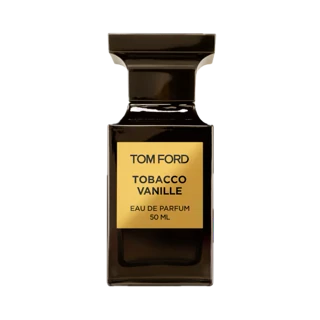 Tom Ford Tobacco Vanillethe definitive spicy-gourmand, cinnamon and clove fused into tobacco and vanilla
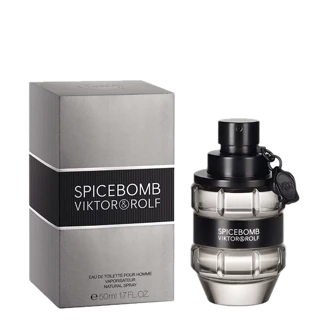 Viktor & Rolf Spicebomban explicitly spice-forward pillar of chilli, pepper, and saffron over leather
- Viktor & Rolf Spicebomb Extremethe warmer, cinnamon and tobacco take that broadened the spicy crowd-pleaser category
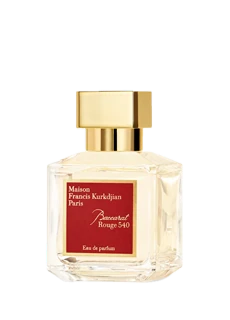 Maison Francis Kurkdjian Baccarat Rouge 540saffron at the top makes it the most worn spicy-floral-resinous of the decade
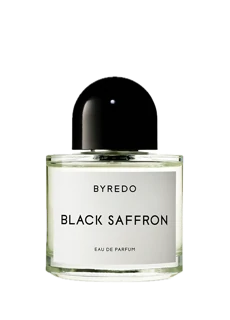 Byredo Black Saffronsaffron as the headline, leathery and dark, the niche definition of the note
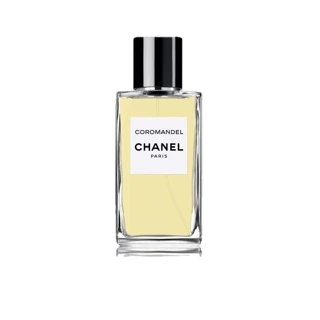 Chanel Coromandela refined spicy-amber where benzoin and patchouli wrap warm spice in luxury
- Guerlain Habit Rougethe classic spicy heritage masculine, citrus over carnation, clove, and leather
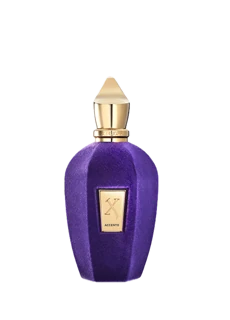 Xerjoff Accentoa respected niche spicy-floral that pairs pink pepper with pineapple and jasmine
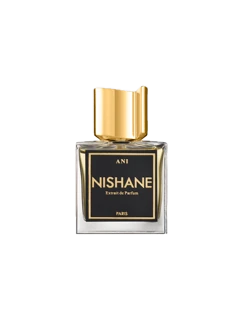 Nishane Anicardamom and pink pepper over creamy vanilla, a beloved cozy spicy crowd-pleaser
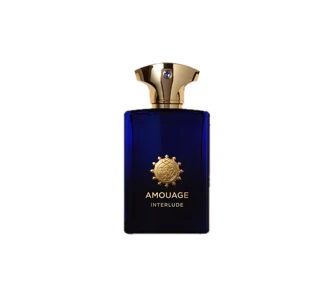 Amouage Interlude Mana dense, smoky spicy-resinous powerhouse built on oregano, pepper, and incense
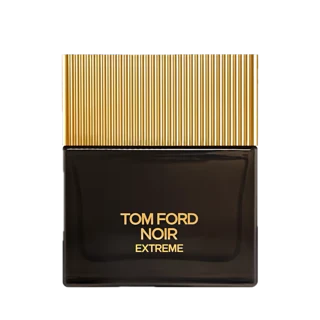 Tom Ford Noir Extremecardamom and saffron over amber, a spicy-gourmand worn for big evenings
- Initio Oud for Greatnesssaffron and nutmeg drive this spicy-woody oud into beast-mode projection
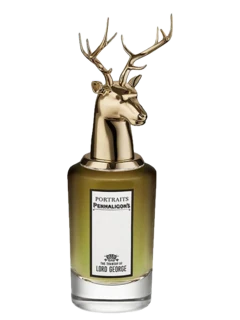 Penhaligon's The Tragedy of Lord Georgea brandy-laced spicy-gourmand with nutmeg and tonka, theatrical and warm
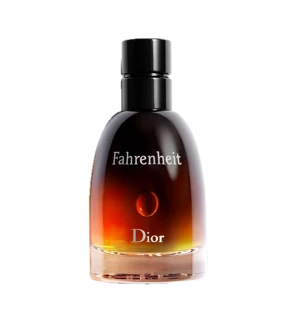 Dior Fahrenheitnutmeg and an iconic petrol-violet accord, a divisive but landmark spicy creation
 Jean Paul Gaultier Le Malelavender and mint over a sweet cinnamon-vanilla base, a spicy-aromatic blockbuster
Not sure which spicy is yours?
Fragnatique scores every fragrance against your personal taste profile and explains the reasoning behind each match. Find your fit in minutes.
Frequently asked
- What are spicy fragrances?
- Spicy fragrances are perfumes built around culinary and resinous spice notes including pink pepper, black pepper, cardamom, cinnamon, saffron, ginger, and clove. Pure spice is too sharp to wear alone for hours, so spicy compositions almost always pair with another family, producing spicy-woody, spicy-gourmand, and spicy-floral hybrids. Peppers flash in the opening and fade fast, while cinnamon, clove, and saffron run into the base where they fuse with vanilla, amber, or wood.
- What are the best spicy fragrances for beginners?
- Start with spicy-gourmands, which are the easiest to love. Tom Ford Tobacco Vanille and Nishane Ani wrap cinnamon and cardamom in vanilla, so the spice reads cozy rather than sharp. Yves Saint Laurent L'Homme Le Parfum is the safest peppery masculine. For something more affordable and overtly spicy, Viktor & Rolf Spicebomb is a reliable first step into the family.
- Do spicy fragrances last a long time?
- Generally yes. Spice notes themselves are volatile, but they are almost always anchored by long-lasting vanilla, amber, wood, or resin, which gives spicy perfumes strong longevity. Expect eight hours or more from extrait and parfum concentrations such as YSL L'Homme Le Parfum or Tom Ford Tobacco Vanille. Performance climbs further in cold weather, where the warm base lingers on skin.
- Are spicy fragrances good for summer?
- Most spicy fragrances are not summer scents. Heat amplifies the warm, dense base notes that anchor spice, so a winter spicy-gourmand can feel suffocating in July. The exceptions are ginger and cardamom driven blends, which stay zesty and airy. If you want spice year round, choose a fresh-spicy ginger composition for warm months and save cinnamon, clove, and saffron heavyweights for autumn and winter evenings.
- What is the difference between spicy and gourmand fragrances?
- Spicy fragrances are built on aromatic spices that add heat and edge: pepper, cardamom, cinnamon, saffron, ginger, clove. Gourmand fragrances are built on edible-sweet notes: vanilla, tonka, caramel, chocolate. The two overlap constantly, which is why spicy-gourmand is one of the most popular hybrids. Tom Ford Tobacco Vanille is the textbook example of both families fused into one warm signature.
- Are spicy fragrances masculine or unisex?
- Spice is the most gender-fluid accord in perfumery. Black pepper and clove have historically anchored masculines, while saffron and cardamom appear across feminines and shared releases. Many of the family's icons, including Baccarat Rouge 540 and Tobacco Vanille, are worn freely by everyone. Treat the marketing label as a suggestion and judge a spicy fragrance by its notes, not its bottle.
Prefer the narrative version? Read the full fragrance families guide, or browse the complete fragrance catalogue.