Floral fragrances
Perfumery's largest family: rose, jasmine, tuberose and peony.
Floral fragrances are perfumes built around the scent of flowers, and they make up the largest single family in modern perfumery. The category splits cleanly into two camps: white flowers (jasmine, tuberose, orange blossom, gardenia), which are heady, creamy and unmistakable on the skin, and rich flowers (rose, ylang-ylang, peony, magnolia), which feel layered, velvety and more textured. Almost every shopper has worn a floral, often without thinking of it as one, because the family runs from the cleanest spring bouquet to the most opulent evening statement.
If you are choosing a floral, the practical question is rarely "floral or not" but "which kind, and how loud". A transparent peony or freesia composition reads fresh and office-safe, while a tuberose or gardenia soliflore announces itself across a room. This reference page exists to help you pick: what defines the family, the notes to look for, the seasons it suits, and a shortlist of the most iconic floral fragrances worth smelling first. Fragnatique maps these distinctions note by note, so the difference between a soft rose and a narcotic white flower is something you can search rather than guess, and every match it returns comes with a written reason.
What defines a floral fragrance
A floral fragrance is defined by a heart dominated by flower notes, with the family classified by whichever bloom leads the dry-down rather than the opening. White flowers (jasmine, tuberose, orange blossom, gardenia) carry indolic, almost animalic warmth that grows louder on skin and lingers for hours. Rich flowers (rose, ylang-ylang, peony, magnolia) feel rounder and more cushioned, often softened by fruit or musk. Most florals sit on a woody, musky or powdery base that controls how sheer or opulent the result wears.
- Jasmine: the indolic, narcotic backbone of countless white florals, intense and long-lasting on skin
- Tuberose: the loudest white flower, creamy and almost fleshy, the signature of statement florals
- Rose: the most versatile floral note, ranging from fresh and dewy to jammy and wine-dark
- Orange blossom: bright, honeyed and slightly soapy, a bridge between citrus freshness and white-flower warmth
- Gardenia: buttery and tropical, rarely natural in perfume and usually reconstructed from jasmine and tuberose accords
- Ylang-ylang: rich, banana-sweet and exotic, a rounding agent in many classic rich-floral blends
- Peony: a fresh, watery, faintly rosy note that gives modern florals their clean, transparent feel
- Magnolia: lemony and creamy at once, lighter than tuberose but still distinctly white-floral
- Lily of the valley (muguet): green, dewy and airy, the spine of soliflore spring fragrances
- Iris (orris): powdery, cool and elegant, often the most expensive material in a floral composition
- Freesia and lily: clean, soapy supporting notes that keep a bouquet feeling fresh rather than heavy
- White musk: the quiet base that lets a floral wear close to the skin and last without shouting
Iconic floral fragrances
A starting shortlist of widely respected floral fragrances, from mainstream pillars to niche. Open any of them in Fragnatique to see the full notes pyramid and your personal match score.
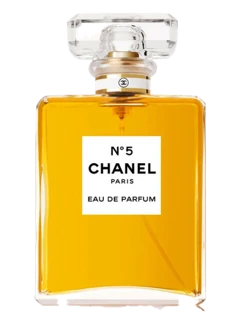 Chanel No. 5the defining aldehydic floral and the most famous perfume ever made
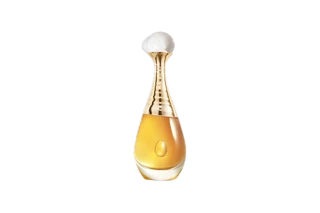 Dior J'adorea modern rich-floral pillar built on ylang-ylang, rose and jasmine
- Tom Ford White Patchoulia sleek floral grounded by patchouli, bridging straight into woody territory
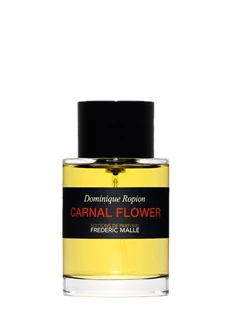 Frederic Malle Carnal Flowerthe benchmark hyper-realistic tuberose, the standard niche white floral
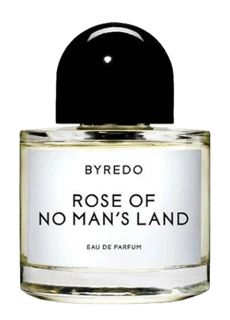 Byredo Rose of No Man's Landa fresh, peppery modern rose loved for its everyday wearability
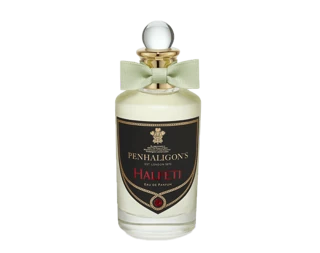 Penhaligon's Halfetian opulent rose-leather-oud that shows how far a rich floral can travel
- Chanel Gabriellea luminous white-flower bouquet of jasmine, ylang-ylang and orange blossom
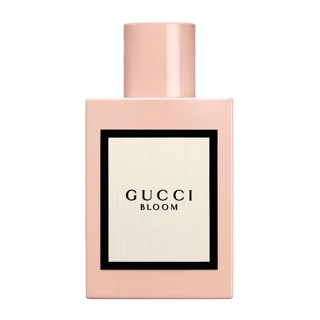 Gucci Blooma contemporary tuberose and jasmine statement that revived white florals for a new audience
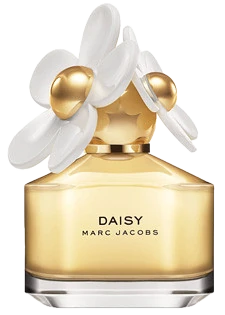 Marc Jacobs Daisyan accessible, widely loved fresh floral and a common gateway scent
- Dior Miss Diora rose-centred chypre-floral that anchors the romantic, classic end of the family
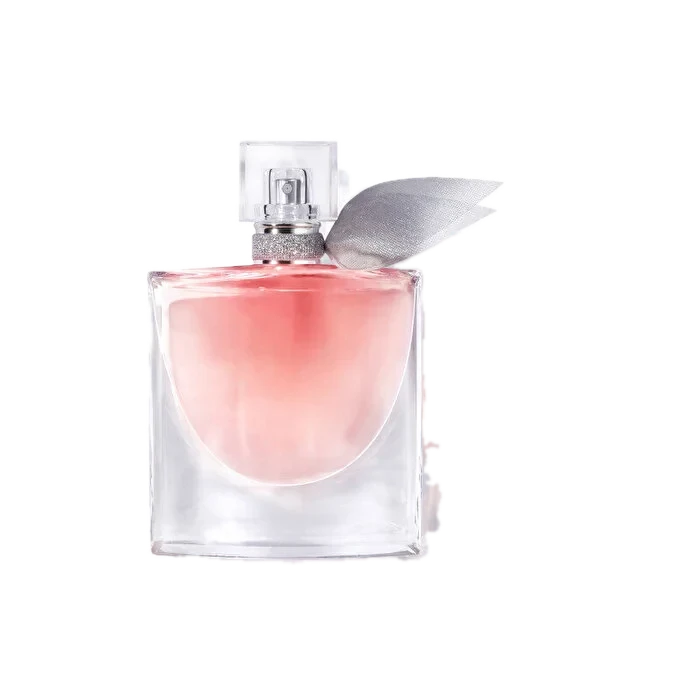 Lancome La Vie Est Bellea best-selling iris and floral-gourmand that put powdery florals in everyone's hands
- Jo Malone Peony & Blush Suedethe reference clean, transparent peony for fresh daytime wear
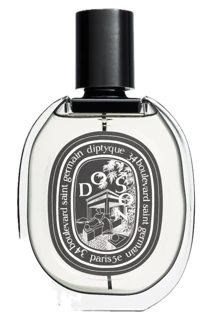 Diptyque Do Sonan airy seaside tuberose, a softer take on the loudest white flower
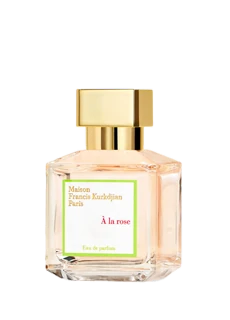 Maison Francis Kurkdjian A la Rosea refined, true-to-life rose centred on Centifolia and Damascena
- Guerlain Aqua Allegoria Nerolia Vetivera bright orange-blossom and neroli floral that bridges toward citrus freshness
- Le Labo Jasmin 17a creamy, musky jasmine soliflore representing the niche white-floral approach
Not sure which floral is yours?
Fragnatique scores every fragrance against your personal taste profile and explains the reasoning behind each match. Find your fit in minutes.
Frequently asked
- What are floral fragrances?
- Floral fragrances are perfumes led by flower notes in the heart of the composition, and floral is the largest of the eight fragrance families. The category splits into white flowers such as jasmine, tuberose, orange blossom, and gardenia, which are creamy and indolic and grow louder on warm skin, and rich flowers such as rose, ylang-ylang, peony, and magnolia, which feel rounder and more cushioned. A perfume is classified as floral by whichever bloom leads the dry-down rather than by what opens the fragrance.
- What are the best floral fragrances for beginners?
- Start with approachable, transparent florals rather than heavy white flowers. Marc Jacobs Daisy, Jo Malone Peony & Blush Suede and Dior J'adore are widely loved, easy to wear and forgiving in any setting. Once you enjoy those, explore louder options like Gucci Bloom or a tuberose soliflore. Choosing by intensity matters more than choosing by specific flower.
- Do floral fragrances last long on skin?
- Floral longevity depends on which flowers lead the composition. White florals such as jasmine and tuberose are naturally tenacious and can last eight hours or more, especially in eau de parfum concentration. Fresh, watery florals built on peony, freesia or lily of the valley are lighter and often fade within three to five hours. A woody or musky base, common in modern florals, extends longevity considerably.
- Are floral fragrances only for women?
- No. Florals are marketed heavily to women, but rose, orange blossom and neroli have a long history in unisex and men's perfumery. Notes like rose pair beautifully with oud, leather and spice, producing scents that read confident and genderless. Penhaligon's Halfeti and many niche rose compositions are worn freely across genders, so judge by the overall blend rather than the label.
- What is the difference between white florals and rich florals?
- White florals are built on jasmine, tuberose, orange blossom and gardenia. They are intense, creamy and indolic, growing louder on warm skin. Rich florals centre on rose, ylang-ylang, peony and magnolia, feeling rounder, more layered and easier to dose. White florals make bold statement scents, while rich florals tend to be more versatile for everyday and seasonal wear.
- What season are floral fragrances best for?
- Florals work across most of the year, which is part of why the family is so popular. Fresh, green and watery florals (peony, lily of the valley, freesia) shine in spring and summer. Heavier white florals and jammy roses suit autumn and cool evenings. Very few florals are true winter scents unless they lean woody or resinous, so match the weight of the flower to the temperature.
Prefer the narrative version? Read the full fragrance families guide, or browse the complete fragrance catalogue.