Can I Make My Own Perfume? A Beginner's Guide to Doing It Safely
Yes, you can make perfume at home with a scale, perfumer's alcohol and a few materials. The dilution maths, a first formula, safety limits and the rules for selling.
- 01Yes, you can make your own perfume at home. The basic kit is a precision scale, perfumer's alcohol, a handful of fragrance materials, scent strips and glass bottles.
- 02Work by weight, not by drops. A 10 percent dilution is 1 g of material topped up with 9 g of alcohol, for 10 g in total.
- 03Strength is the share of concentrate in the alcohol. Floris London gives 5 to 15 percent for an eau de toilette, 15 to 20 for an eau de parfum and 20 to 30 for a parfum.
- 04Let the blend rest before you judge it. Guides from suppliers and a perfume school range from a day or two to several weeks.
- 05Making perfume for yourself is one thing; selling it is another. In the EU a perfume is a cosmetic that needs a responsible person, a safety assessment, a notification and a full label. In the US the seller is legally responsible for its safety and labeling.
Can I make my own perfume? Yes: with a precision scale, perfumer's alcohol, a few fragrance materials and some patience, you can blend a wearable perfume at home. Selling it is a separate question, because a perfume sold to others is a regulated cosmetic in both the EU and the US.
This guide covers both halves: what to buy, how the dilution maths works, a first formula you can follow, how to keep it safe on skin, and what the rules ask of anyone who wants to sell what they make. Every number below comes from a source we read and name; where the sources disagree, we say so.
What do you need to make perfume?
Less than most kits suggest. The Experimental Perfume Club, a perfumery school, puts the essentials in one line: "a precision scale, quality perfumery ingredients, perfumer's alcohol and scent strips." It adds that "a small 0.01g precision scale is enough to start".
- A precision scale that reads to 0.01 g.
- Perfumer's alcohol, the solvent that carries the scent.
- Fragrance materials: essential oils, aroma chemicals or ready-made fragrance oils. The school recommends training with "just a few, ten or fewer."
- Paper scent strips, the kind fragrance counters hand out, for smelling as you go.
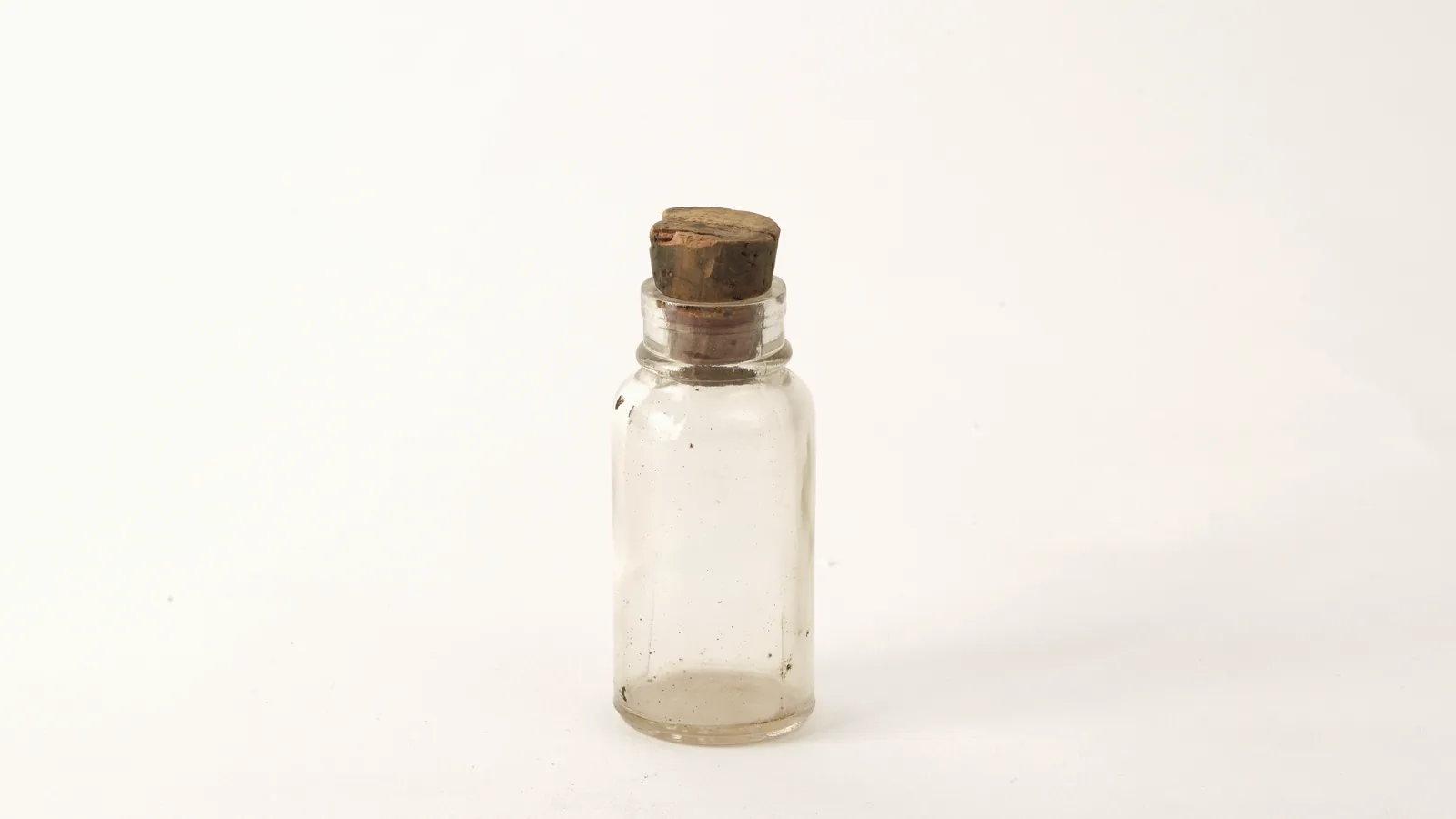
- Small glass bottles, ideally coloured. The supplier Mistral says coloured glass helps "shield the contents of the bottle from UV light."
- Pipettes, gloves and labels. House of Scent recommends gloves because concentrated oils can irritate skin.
- A notebook. The school's most repeated advice is to "always write your formula down."
The school also warns against buying "random ingredients, as you can spend a lot with little to show for it." A short list chosen with a plan beats a large box chosen at random.
Perfumer's alcohol or oil: which base should you use?
Most perfumes you buy are alcohol based, and that is where beginners usually start. House of Scent describes perfumer's alcohol as "a specially formulated, denatured alcohol designed for fragrance applications", that is, ethanol made undrinkable. It advises: "Avoid using rubbing alcohol or drinking alcohol, as they can affect both safety and scent quality." Vetiver Aromatics is blunter about the liquor store: "That alcohol is too watery."
The alternative is an oil perfume, worn from a roller or a dab bottle rather than a spray. Vetiver Aromatics names fractionated coconut oil as "the most commonly used oil", coconut oil modified so that it stays liquid at room temperature, which "leaves a less greasy residue than most oils". The same page says alcohol "is best for fully diluting your ingredients" and works as a preservative.
| Base | What it is | Worn as |
|---|---|---|
| Perfumer's alcohol | Ethanol denatured for fragrance use | Spray: eau de toilette, eau de parfum, parfum |
| Fractionated coconut oil | Coconut oil that stays liquid at room temperature | Roller or dab-on perfume oil |
How strong should homemade perfume be?
Strength is the share of perfume concentrate dissolved in the alcohol, and the names do not mean the same numbers everywhere. Floris London gives these ranges in its guide:
| Name | Fragrance oil, per Floris London |
|---|---|
| Parfum | 20 to 30 percent |
| Eau de parfum (EDP) | 15 to 20 percent |
| Eau de toilette (EDT) | 5 to 15 percent |
| Eau de cologne | 2 to 5 percent |
Other houses state different numbers for the same names, as our guide to EDP, EDT and parfum sets out side by side. House of Scent, writing for home makers, suggests 10 to 20 percent fragrance oil for a perfume spray. Whatever the range, the ceiling for any single material is set by safety, not taste: more on that below.
How do you calculate a perfume dilution?
By weight. "Measuring your ingredients in grams is far more accurate when you want to make and recreate a formula," the Experimental Perfume Club writes, and "drops may seem easier, but it is very hard to get the same amount of ingredient in each one."
The sum is simple. Dilution in percent is the weight of the concentrate divided by the total weight, times 100. The school's own example: "A 10% dilution means 1g of your ingredient or composition topped up with 9g of alcohol, for a 10g total."
The same sum works for a finished perfume:
| You want | Total batch | Concentrate | Perfumer's alcohol |
|---|---|---|---|
| About 10 percent (light EDT) | 10 g | 1.0 g | 9.0 g |
| 15 percent (EDT to EDP) | 10 g | 1.5 g | 8.5 g |
| 20 percent (strong EDP) | 10 g | 2.0 g | 8.0 g |
For beginners the school recommends pre-diluting each material at 10 percent before blending, so mistakes waste less, and adds that a very powerful material can go down to 1 percent. "If an ingredient smells extremely strong, use only a trace, or it will overpower your blend."
Your first perfume, step by step
A first formula is practice, not a masterpiece. Keep it small and write everything down.
- Pick a few materials across the pyramid. Choose something bright and quick to fade for the top, something rounder for the heart and something heavy and slow for the base. Our guide to the notes pyramid explains why they evaporate in that order. None of the sources we read gives a fixed split between the three, so let your nose decide.
- Pre-dilute each material at 10 percent. Weigh 1 g of material and top it up to 10 g with perfumer's alcohol, in its own labelled bottle.
- Smell each one on a strip. Note how it opens and how it smells an hour later. "A scent strip tells you how a formula opens, never the whole story," the school cautions.
- Blend by weight and record every gram. Build the accord in small amounts and write the formula as you go, totalling 100 parts. The school notes that a formula is "typically written out of 100%".
- Check your materials against IFRA limits. Before you choose a final strength, read the supplier's IFRA information for each material. House of Scent puts it plainly: "Each fragrance oil has specific usage restrictions."
- Dilute to your target strength. Use the table above: for a 10 g eau de parfum at 15 percent, 1.5 g of your concentrate and 8.5 g of perfumer's alcohol.
- Let it rest in a cool, dark place. The school says to leave it "for at least a day or two" and that "richer compositions keep improving over weeks, much like a fine spirit." House of Scent suggests "1- 2 weeks for perfumes"; Mistral's guide says "at least three weeks."
- Patch test before you wear it. Mistral's guide suggests testing on a discreet area of skin and reformulating "if redness or irritation ensues after 24 hours." Test the finished, diluted perfume, never an undiluted material.
That rest is a small version of what factories do: our article on how perfume is made follows maceration, chilling and filtering at a Grasse factory. If you want to train your nose the way professionals do, our article on the Jean Carles method explains one classic way of training it.
Is homemade perfume safe?
It can be, if you respect the limits. The IFRA Standards, from the International Fragrance Association, describe themselves as "a globally recognized risk management system for the safe use of fragrance ingredients." A Standard can be a prohibition, "a ban on the use of a material", a restriction, "rules on the maximum quantity to be used", or a specification, "other conditions on the type of material". The Standards are compulsory for IFRA members.
Natural materials need the same care as synthetic ones: natural extracts are among the substances EU advisers class as established allergens, as our article on natural and synthetic perfume safety explains. Three habits keep a home batch sensible:
- Wear gloves when you handle undiluted materials, and keep them off your skin.
- Stay under each material's IFRA limit for fine fragrance, which the supplier should be able to give you.
- Patch test the finished perfume and stop if your skin reacts.
Common mistakes when making perfume
- Measuring in drops. It makes a formula impossible to repeat. Weigh in grams.
- Not writing the formula down. The school warns you can end up with "a formula that is difficult to tweak and impossible to recreate."
- Buying too many materials. Ten or fewer is enough to learn on.
- Overdosing a strong material. A trace of a powerful material can dominate everything else.
- Judging too soon. A blend smelled on the day it was mixed is not the blend you will wear after it rests.
- Using the wrong alcohol. Rubbing alcohol and drinking alcohol are not substitutes for perfumer's alcohol.
Can you sell perfume you make at home?
You can, but once it is for sale it is a cosmetic product with legal duties. This section is an outline of the rules we read, not legal advice; check with the authority in your country before you sell.
In the European Union
Regulation (EC) No 1223/2009 defines a cosmetic product as any substance or mixture placed on the outside of the body "with a view exclusively or mainly to cleaning them, perfuming them" and so on, so a perfume is covered by name. The regulation then asks for:
- A responsible person. Only products for which a legal or natural person in the EU is designated as "responsible person" may be placed on the market (Article 4).
- A safety assessment. The responsible person must, "prior to placing a cosmetic product on the market, ensure that the cosmetic product has undergone a safety assessment" (Article 10).
- A notification. Before the product goes on sale, the responsible person submits information to the Commission electronically (Article 13), through the Cosmetic Products Notification Portal, the CPNP.
- A full label (Article 19): the responsible person's name and address, the nominal content, the date of minimum durability, precautions for use, a batch number, the product's function where it is not obvious, and a list of ingredients.
Fragrance allergens go further. Regulation (EU) 2023/1545 added new entries whose presence "shall be indicated in the list of ingredients" when they exceed 0.001 percent in leave-on products and 0.01 percent in rinse-off products. A perfume is a leave-on product. For many of the new entries, products that do not comply could be placed on the EU market only until 31 July 2026 and made available until 31 July 2028.
In the United States
The FDA's rule of thumb is that "if a product is intended to be applied to a person's body to make the person more attractive, it's a cosmetic under the law", and its fact sheet for small businesses lists "perfumes and colognes" as examples. Three points from those pages:
- No pre-approval: "The law does not require FDA approval before they go on the market."
- The seller carries the duty: "If you manufacture or market cosmetics, you have a legal responsibility for the safety and labeling of your products."
- Under US regulations, fragrance ingredients "can be listed simply as 'Fragrance'" on the label.
The same fact sheet says you "may need to register your facility and list your cosmetics products" under the 2022 Modernization of Cosmetics Regulation Act, and that the Act "exempts certain small businesses from facility registration and product listing." If you plan to sell a scent that resembles a famous one, our article on whether perfume dupes are legal covers what European courts have said.
Design the formula before you buy the materials
The most expensive part of making perfume is buying materials for an idea you have not tested. One way round that is to draft the idea first. The Scent Lab in the Fragnatique app is an AI perfume generator: you answer questions about character, mood and how strongly the scent should carry, and it returns a complete formula, exported as a manufacturing-ready PDF that follows IFRA safety standards.
It does not replace the steps above. A generated formula is a starting point: someone still has to mix it, let it rest and smell it, and a perfume made for sale still has to meet the rules of its market. The Scent Lab page says it plainly: the IFRA check is guidance, and final responsibility for a commercial product rests with the manufacturer.
If you would rather find a perfume than make one, the perfume finder starts from the scents you already like.
Frequently asked
Can I make my own perfume at home?
Yes. You need a precision scale, perfumer's alcohol, a few fragrance materials, scent strips and dark glass bottles. Weigh everything in grams, keep a written formula, dilute the blend to the strength you want and let it rest before you judge it. Start with ten materials or fewer, as the Experimental Perfume Club advises beginners.
What do I need to make perfume?
A 0.01 g precision scale, perfumer's alcohol as the solvent, fragrance materials or ready-made fragrance oils, paper scent strips, small glass bottles, pipettes, gloves and a notebook for the formula. Coloured glass helps keep light off the finished perfume, according to the supplier Mistral.
Can I use vodka instead of perfumer's alcohol?
The guides we read advise against it. House of Scent says to avoid rubbing alcohol and drinking alcohol because they can affect both safety and scent quality, and Vetiver Aromatics calls liquor-store alcohol too watery. Perfumer's alcohol is ethanol denatured for fragrance use.
How much fragrance oil do I add to alcohol?
It depends on the strength you want. Floris London gives 5 to 15 percent fragrance oil for an eau de toilette, 15 to 20 for an eau de parfum and 20 to 30 for a parfum. House of Scent suggests 10 to 20 percent fragrance oil for a perfume spray. Check the IFRA limits for each material before you settle on a final percentage.
How long should homemade perfume rest before use?
Advice varies. The Experimental Perfume Club says to leave a blend for at least a day or two and that richer compositions keep improving over weeks. House of Scent suggests one to two weeks for perfumes, and Mistral's recipe guide says at least three weeks in a cool, dark place.
Is it legal to sell homemade perfume?
It can be, but a perfume for sale is a regulated cosmetic. In the EU, Regulation (EC) No 1223/2009 requires a designated responsible person, a safety assessment and a notification to the Commission before the product is placed on the market, plus a label with an ingredient list. In the US the FDA does not approve cosmetics before sale, and the maker or marketer is legally responsible for their safety and labeling. This is not legal advice.

Written by Fragnatique Team
Published