
Where does the image of the beaked plague doctor come from?
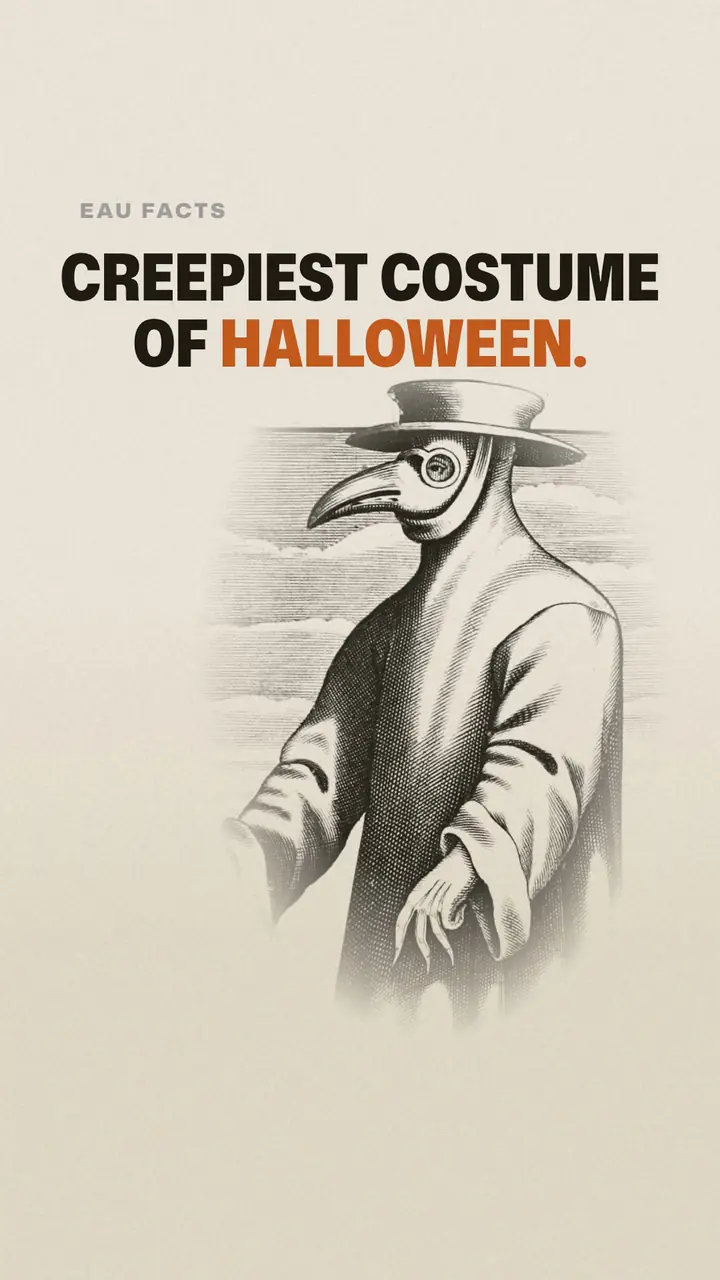
The best known picture is a 1656 print by Paul Fürst, Der Doctor Schnabel von Rom, now in the public domain on Wikimedia Commons. Its caption, headed Kleidung wider den Tod zu Rom, Anno 1656, clothing against death in Rome, explains the beak itself: against the stench, the doctors wear a long beak full of sweet-smelling spices, in the print's words “Schnabel voll wolriechender Specerey”.
So the scent is not a modern guess added to a Halloween costume. The print that made the figure famous names it as the reason for the beak.
What exactly was packed inside the beak?
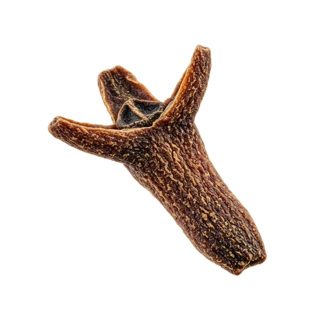
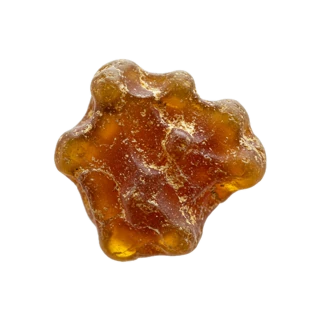
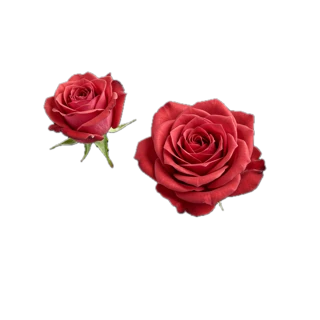
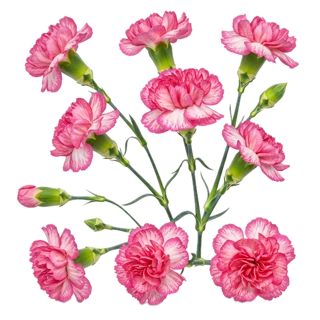
The Public Domain Review lists three kinds of filling: aromatic spices such as camphor, mint, cloves and myrrh; dried flowers such as roses or carnations; or a vinegar sponge. Any one of them would do: the list is a menu of options, not a single fixed recipe.
Laid out like a perfume, the menu covers herbs in camphor and mint, a spice in clove, a resin in myrrh and two flowers in rose and carnation. Several of these are still perfume materials today.
Why did doctors think scent could protect them?
Because of how they understood disease. The Public Domain Review says the costume was designed to protect its wearer from the miasma, or bad air, then believed to carry disease, and that the aromatics were meant to combat that contagious miasma. The 1656 print says the same in its own words: the beak was worn against the stench. This was the medical thinking of the time, not advice for today.
Were perfumed waters used against plague too?
One Florentine house says so. In its official history, Santa Maria Novella records the documented sale of perfumed waters in 1381, among them Acqua di Rose, and says their purpose was primarily medical: the rose water was used to disinfect rooms during plague epidemics and taken diluted in wine as a medicament. That is the house's own account of its past, from a time when perfume and medicine were not yet separate trades.
Is scenting the air to clean it an older idea?
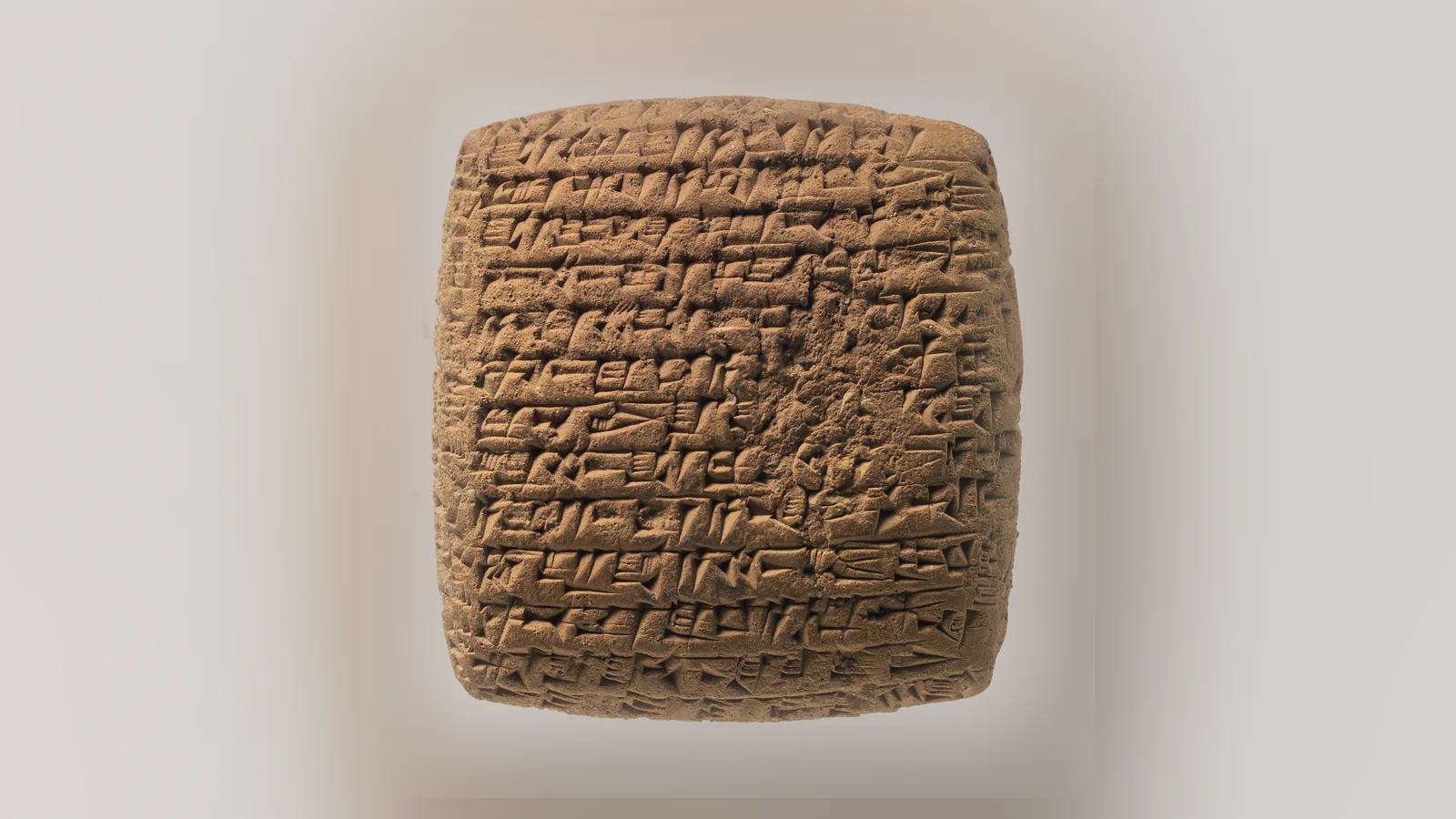
Much older. The Egyptian Papyrus Ebers, dated by Leipzig University Library to the last quarter of the 16th century BC, gives a kyphi recipe, translated in Near Eastern Archaeology in 2021, to make the smell of the house and clothing pleasant: dry myrrh, juniper berries, incense, camphor wood, pistacia resin, sweet flag and styrax, ground smooth and placed on a fire.
Plutarch, writing on Egyptian temple rites, says the priests burned resin on their altars on rising and myrrh at midday, when they saw the sun drawing a heavy exhalation from the earth into the air. Myrrh and camphor in an ancient recipe and in a 17th century beak show how long people trusted aromatics to change the air they breathed.
Do perfumes still use these materials?
Yes, in new forms. The Société Française des Parfumeurs builds whole families on resins of this kind: it places cistus-labdanum at the base of the chypre family and among the soft, powdery notes of the ambres, sometimes called orientals. Clove lives on in another way too: the University of Bristol notes that vanillin can be made from eugenol from cloves, as well as from lignin in paper-mill waste waters or from guaiacol in pine tar.
Key facts
- 1656Paul Fürst's Rome print describes a long beak full of sweet-smelling spices.
- Clove, myrrh, camphor, mintAromatic spices the Public Domain Review lists inside the beak.
- Roses and carnationsDried flowers that could fill the beak, or a vinegar sponge in their place.
- MiasmaThe bad air then believed to carry disease, which the aromatics were meant to combat.
- 1381Santa Maria Novella's rose water was used to disinfect rooms during plague, the house says.
- 16th century BCThe Papyrus Ebers kyphi of myrrh, juniper, camphor and styrax scents the house.
What this means when you choose a perfume
If the beak's mix of clove, myrrh and dried rose appeals to you, you are drawn to warm spices and resins rather than fresh citrus. Look for clove or carnation in the heart and myrrh or labdanum in the base, the soft, powdery side the Société Française des Parfumeurs gives the amber family. For the beak's dried flowers, add rose or carnation on top of the spice.
Explore the spicy familySources
Primary sources only. Every statement on this page restates one of them, read by the Fragnatique team.
- The Public Domain Review, Plague Doctor Costumespublicdomainreview.org
- Paul Fürst, Der Doctor Schnabel von Rom (1656), Wikimedia Commonscommons.wikimedia.org
- Officina Profumo-Farmaceutica di Santa Maria Novella, Our storyeu.smnovella.com
- Leipzig University Library, Papyrus Ebers: the scrollpapyrusebers.de
- Littman et al., Near Eastern Archaeology 84:3 (2021)doi.org
- Plutarch, Isis and Osiris, Loeb Classical Library (1936), LacusCurtiuspenelope.uchicago.edu
- Société Française des Parfumeurs, Les familles olfactivessfp-parfumeurs.com
- University of Bristol, Molecule of the Month: Vanillinchm.bris.ac.uk