Character Scent Generator: How to Find What Your OC Smells Like
Give an original character a signature scent: a four-step method, a trait-to-note table, sample character pyramids and tips for writing smell on the page.

- 01To find a character's scent, turn their personality into a fragrance family, their world into one note, and their story into a base note that lingers, then write it as a top, heart and base.
- 02Perfumers do the same: Byredo built Bibliothèque around a world of old books, and Nishane named Hacivat after a character of traditional shadow play.
To find a character's scent, translate three things into perfume notes: their personality (a fragrance family), their world (one note from where they live) and their story (a base note that lingers). Arrange them as a top, a heart and a base, and you have a scent profile any reader, artist or role-player can picture. A quiet archivist might open on bergamot, hold iris and cedar in the heart and settle on musk; a ship's navigator might open on lime and mint over vetiver.
Perfumers work the same way. Byredo built Bibliothèque around "a world of old books", Mojave Ghost around the Mojave Desert, and Nishane named Hacivat after a character of traditional shadow play. Every note below links to its page on Fragnatique, so you can read how it smells before you give it to someone.
Step 1: Turn the Personality Into a Fragrance Family
Perfume has eight families, and each one carries a mood. The middle column quotes how Fragnatique's own family pages describe them; the last column is our suggestion for the characters each family suits.
| Family | How it reads | Notes to use | Suits characters who are |
|---|---|---|---|
| Citrus | "Perfumery's brightest family" | Bergamot, lemon, grapefruit | Open, energetic, first to arrive |
| Floral | "Recognisably elegant, classic" | Rose, jasmine, iris | Romantic, graceful, expressive |
| Woody | "Polished" without "smelling sweet or loud" | Cedar, sandalwood, vetiver | Steady, reliable, private |
| Spicy | "Warmth and presence after dark" | Cardamom, pink pepper, saffron | Bold, charismatic, restless |
| Gourmand | "Warm, comforting, instantly likeable" | Vanilla, tonka bean, cocoa | Kind, nurturing, playful |
| Aromatic | "Well-groomed rather than loud or sweet" | Lavender, mint, sage | Practical, disciplined, outdoors |
| Resinous | "Comforting depth over fresh brightness" | Amber, leather, benzoin | Wise, worldly, hard to read |
| Earthy | "Depth and gravitas" | Oakmoss, patchouli, vetiver | Grounded, old-souled, solitary |
Pick one family. Two can work for a character who is split between two sides, but more than two blurs the picture.
Step 2: Add One Note From Their World
Where a character lives is the easiest note to choose, because readers already know how places smell.
| Their world | A note to borrow |
|---|---|
| Forest or countryside | Oakmoss, cypress, galbanum |
| Coast or ship | Lime, mint, vetiver |
| Library or study | Iris, cedar, leather |
| Kitchen or bakery | Vanilla, cinnamon, coffee |
| Garden | Rose, jasmine, fig |
| Desert road | Saffron, myrrh, sandalwood |
| City at night | Black pepper, coffee, Iso E Super |
| Mountain or winter cabin | Cypress, frankincense, guaiac wood |
Step 3: Let Their Story Choose the Base Note
Base notes last longest on skin, which makes them the right place for what has happened to a character. Our guide to the notes pyramid explains why the base stays after the top has gone.
- A long journey: leather or vetiver.
- A safe home: vanilla, tonka bean or musk.
- An old secret: oud, myrrh or patchouli.
- A memory they keep: iris or musk.
- Ambition: amber or saffron.
- A fresh start: cedar or ambroxan, clean woods that stay without weight.
Step 4: Write the Pyramid
Put the three choices in order: the top is the first impression, the heart is who they are, the base is what they leave behind. Here are six sample characters built with the steps above.
| Character | Top (first impression) | Heart (who they are) | Base (what lingers) |
|---|---|---|---|
| The quiet archivist | Bergamot | Iris, cedar | Musk |
| The ship's navigator | Lime, mint | Sage, cypress | Vetiver, ambroxan |
| The baker's apprentice | Mandarin | Orange blossom, cinnamon | Vanilla, tonka bean |
| The desert traveller | Pink pepper, saffron | Rose | Sandalwood, myrrh |
| The forest healer | Galbanum, basil | Lavender, rosemary | Oakmoss, patchouli |
| The retired detective | Black pepper, grapefruit | Coffee, leather | Vetiver, labdanum |
Real Perfumes That Began With a Place or a Character
Perfume houses often start from a story, and their own descriptions show how.
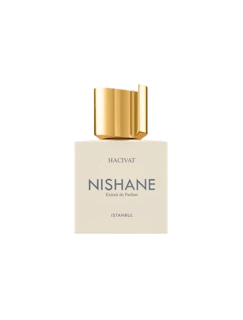
Nishane Hacivat. Nishane says Hacivat is "inspired by the traditional shadow play character" and calls it an eau chypre, with bergamot, pineapple and grapefruit over jasmine, patchouli and cedarwood, and oakmoss in the base. More on it in our list of earthy perfumes.
Best for. Our pick: daytime from spring to autumn. Our catalogue tags it strong, so use a light hand at work.
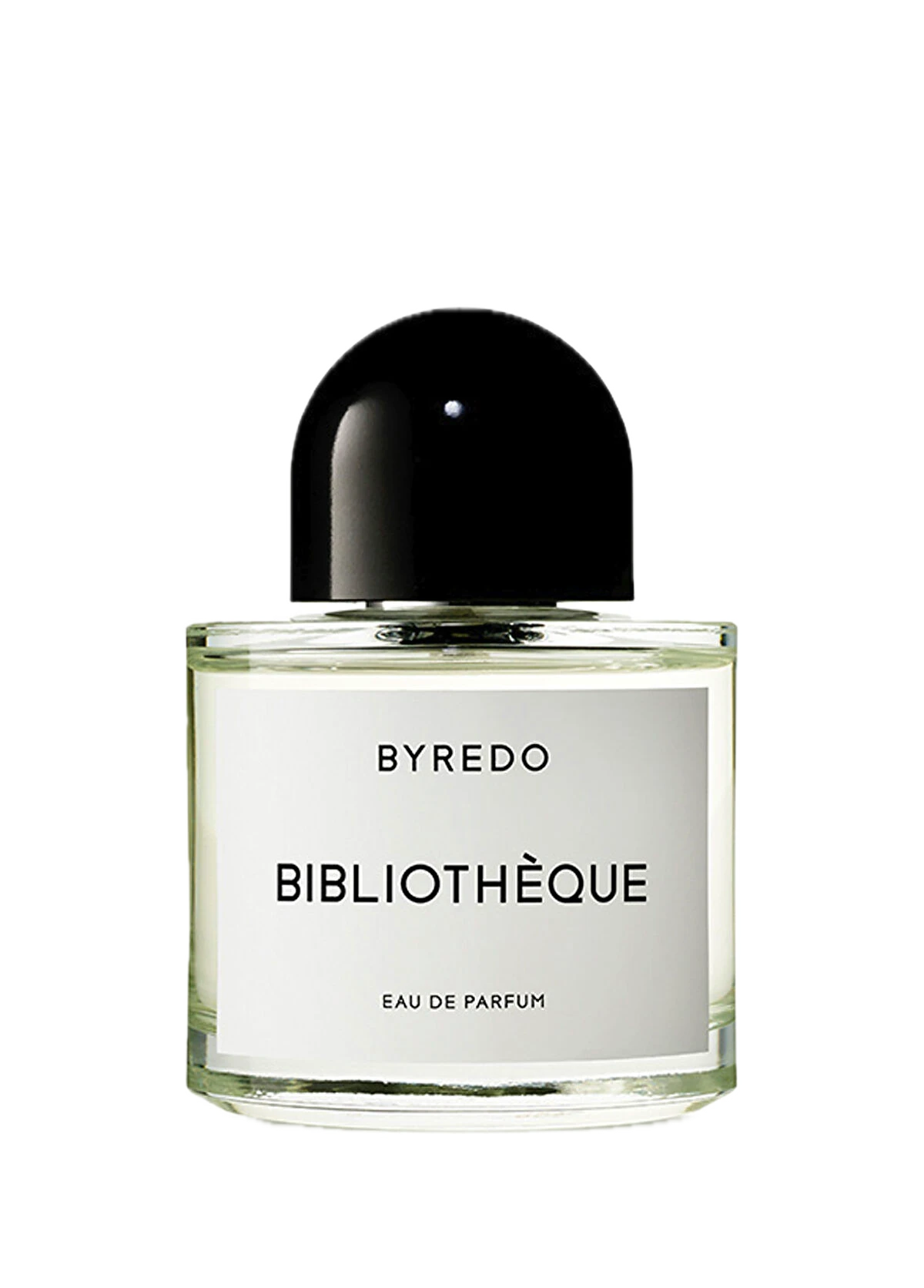
Byredo Bibliothèque. Byredo describes "a world of old books, the scent of their leather-bound pages arranged on dark wood shelves", and lists plum and cinnamon, a leather accord and violet, and birch woods, patchouli and vanilla.
Best for. Our pick: autumn and winter, day or evening. Byredo labels it intense, so it suits cool days and dinners more than a small meeting room.
Byredo Mojave Ghost. Byredo calls it "an ode to the raw beauty and enduring spirit of the Mojave Desert", with ambrette and naseberry, magnolia, sandalwood and violet, and cedarwood, musks and vetiver. Its sibling Gypsy Water, says Byredo, brings back "memories of campfire nights".
Best for. Spring to autumn, day and evening, the office included: Byredo labels it of medium intensity.
Maison Margiela's Replica perfumes take the same idea furthest: Fragnatique's profile of Louise Turner records her describing the collection as postcards of places and moments.
Writing Smell on the Page
- Name one or two notes, not ten. "She smelled of cedar and rain" stays with a reader; a full note list does not.
- Tie the scent to an action. The leather of a glove being pulled on, the cinnamon on a sleeve after a shift at the bakery.
- Let it change. A bright top fades, a base stays in the room after the character has gone.
- Use it as a memory key. One note that returns later in the story can bring the character back without naming them.
Try It in the Scent Lab
Fragnatique's Scent Lab is the shortcut: it returns a scent idea for your character, a top, a heart and a base of named notes with a short read of its character, made by Fragnatique's proprietary formulation algorithm. Set its answer beside the pyramid you built by hand. Our explainer on AI perfume makers covers what such a tool does and does not do, and the fragrance families guide goes deeper into each family in the table above.
Frequently asked
Is there a character scent generator?
The four steps on this page are done by hand: pick a family for the personality, a note for the world, a base note for the story, then arrange them as top, heart and base. If you would rather take a shortcut, Fragnatique's Scent Lab returns a scent idea of its own, a top, a heart and a base of named notes, made by Fragnatique's proprietary formulation algorithm.
How do I find what my OC smells like?
Start with one word for their personality and match it to a fragrance family: bright and open is citrus, warm and charismatic is spicy, steady and private is woody, grounded and old-souled is earthy. Add one note from the place they live and one base note for what has happened to them. Three notes are enough for a reader to picture.
How do you describe a character's smell in writing?
Name one or two notes, not a list, and tie them to a moment: the cedar of a pencil she sharpens, the vanilla on his sleeve after a night at the bakery. Let the scent change the way perfume does, with a bright first impression that fades and a deeper base that stays in the room after the character leaves.
What should a villain smell like?
Whatever surprises the reader most. Dark resinous notes such as oud, leather and myrrh are the obvious choice; a villain who smells of clean citrus or soft vanilla can be more unsettling, because the scent promises something the character does not deliver.
Can a character's scent change during a story?
Yes, and it is a useful device. A character can keep the same base note while the top changes with their circumstances, or gain a new note when something important happens to them. Perfume already works this way: top notes fade first and base notes last longest.

Written by Fragnatique Team
Published