Reference59 notes8 families
Perfume notes
Perfume notes are the individual smells a fragrance is built from, grouped by how fast they evaporate: top notes open it, heart notes carry it, and base notes are what lingers hours later.
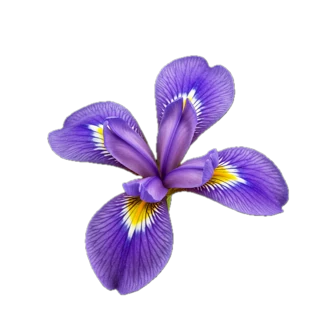
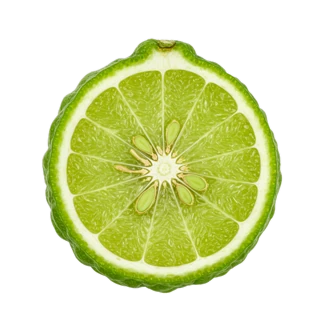
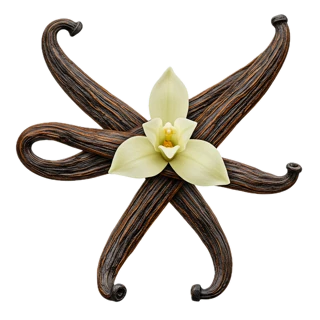
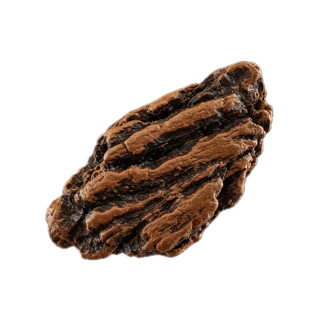
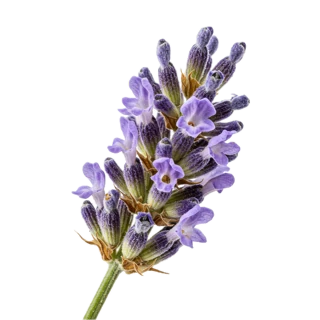
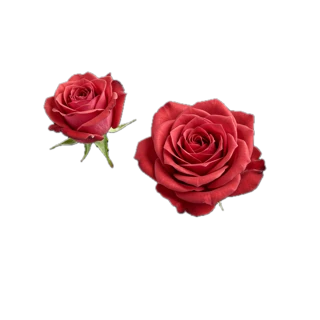
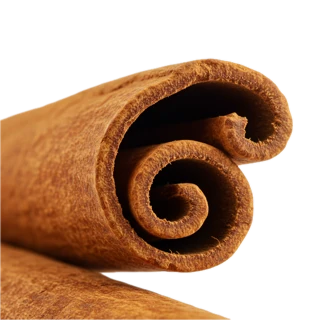
- 01Notes in this guide
- 59
- 02Families
- Eight
- 03Pyramid
- Top, heart, base
- 04Sources
- Our own pages
Top, heart and base: when each note arrives
Different molecules evaporate at different speeds, so a perfume changes as it dries down. Every note in this guide sits in one or two of these three layers.
Top notes
15 minutes to 2 hoursTop notes are the first impression: you smell them in the air before the perfume even touches skin, and they fade within an hour or two.
Heart notes
Hour 1 to hour 5Heart notes are the identity of the fragrance: they emerge as the top fades and carry the perfume from roughly hour one to hour five.
Base notes
4 to 12+ hoursBase notes are the memory: they are what lingers on a coat hours after you took it off.
 Lemon
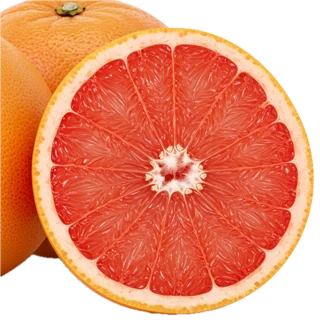 Grapefruit
 Mandarin
 Neroli
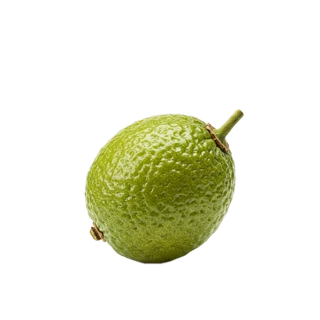 Petitgrain
 Lime
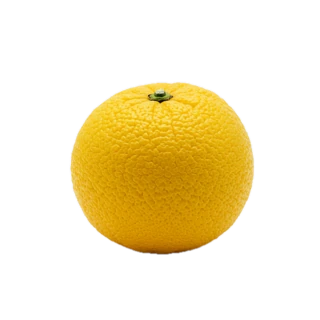 Yuzu
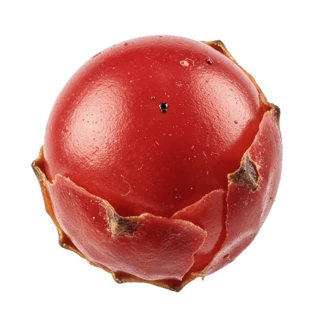 Pink pepper
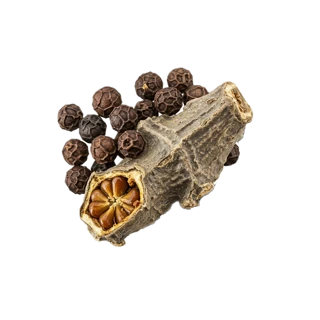 Black pepper
 Cardamom
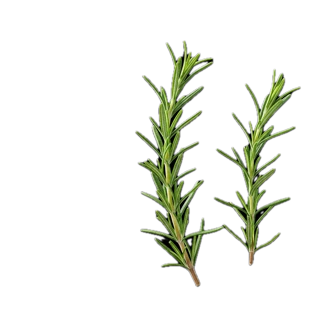 Rosemary
 Basil
 Mint
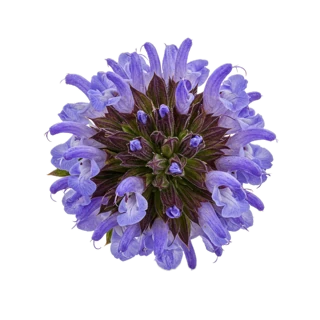 Sage
 Jasmine
 Tuberose
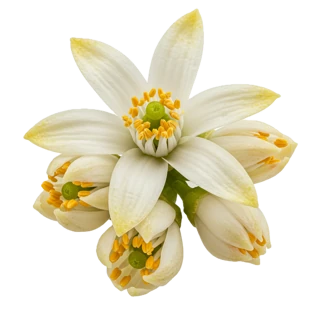 Orange blossom
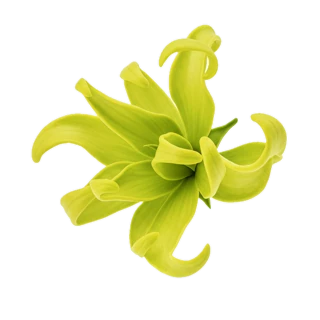 Ylang-ylang
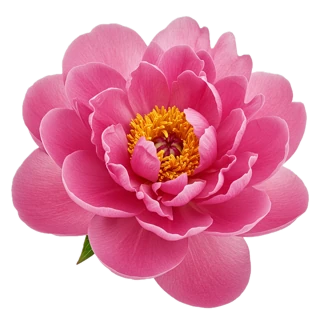 Peony
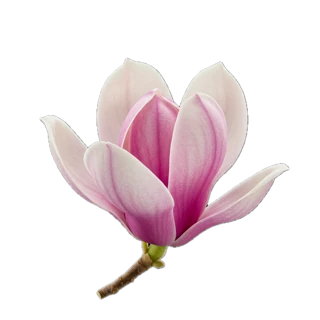 Magnolia
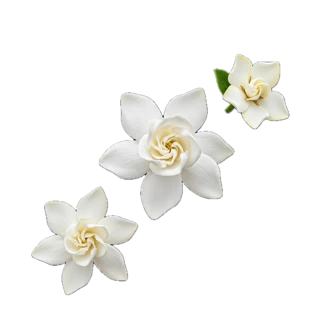 Gardenia
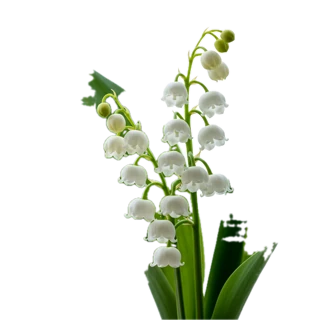 Lily of the valley
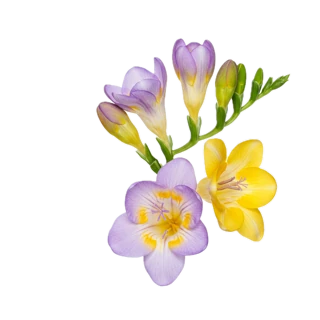 Freesia
 Ginger
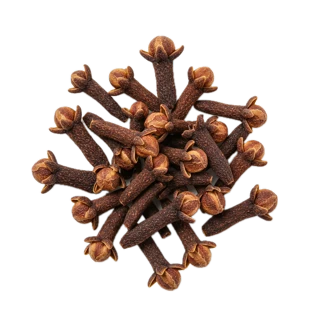 Clove
 Saffron
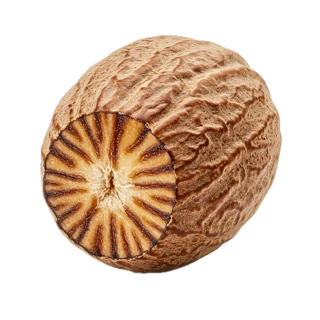 Nutmeg
 Coffee
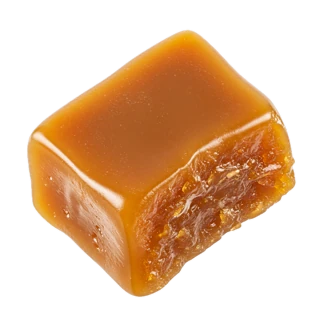 Caramel
 Fig
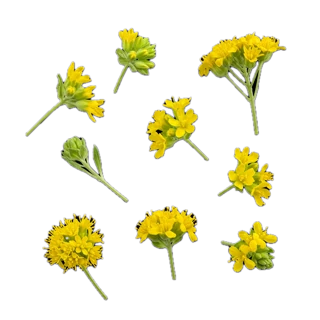 Galbanum
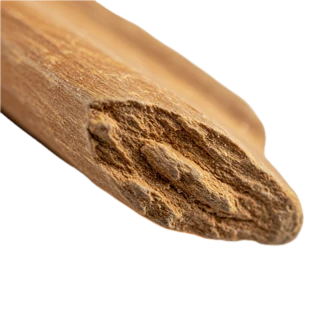 Sandalwood
 Cedar
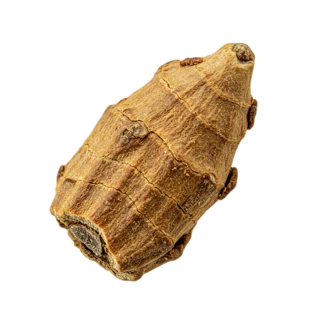 Vetiver
 Cypress
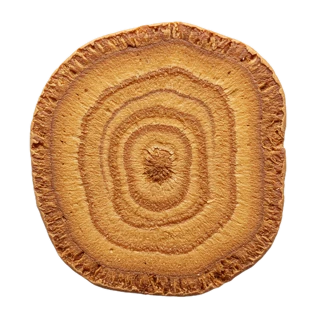 Guaiac wood
 Ambroxan
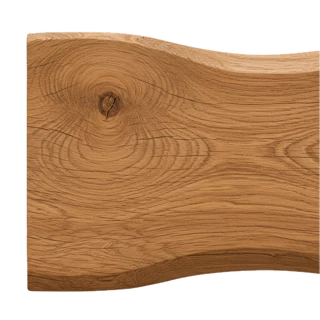 Iso E Super
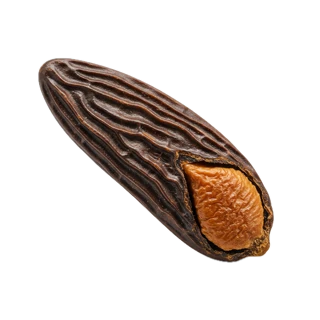 Tonka bean
 Cocoa
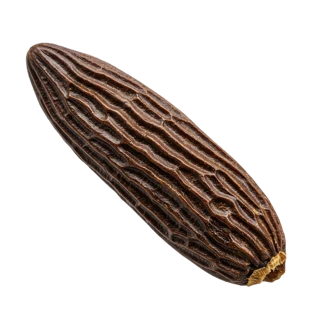 Coumarin
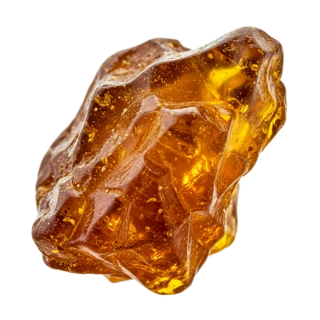 Amber
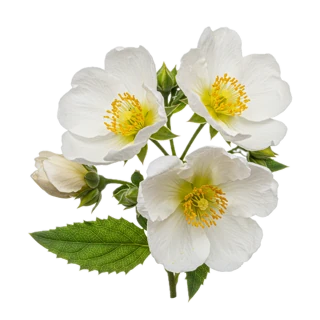 Labdanum
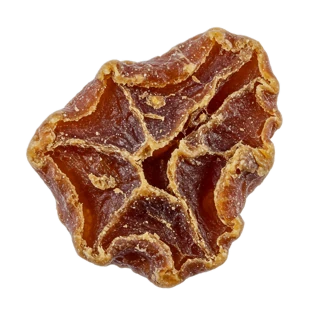 Benzoin
 Leather
 Tobacco
 Musk
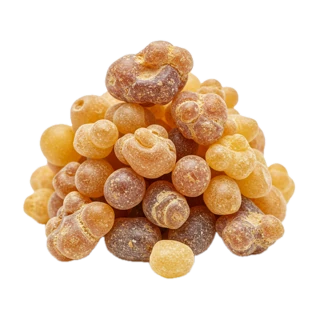 Frankincense
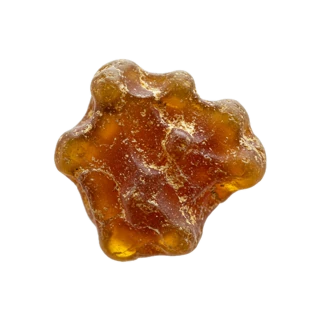 Myrrh
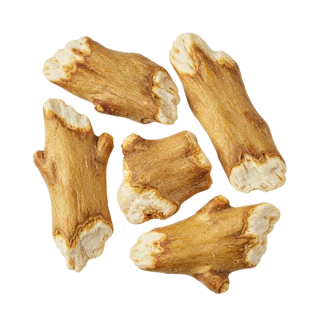 Styrax
 Patchouli
 Oakmoss
Browse the notes
Each page says what the note smells like, where it sits in the pyramid, its family and what it pairs with, in words taken from our own family guides and journal.
Notes and accords, defined
- Accord
- A blend of two or more raw materials that creates a single perceived smell. Most fragrances are constructed from a small number of accords rather than dozens of individual notes.
- Aldehyde
- A class of synthetic and natural compounds with a sparkling, slightly waxy, sometimes soapy character. Famously dominant in Chanel No. 5.
- Ambergris
- A waxy substance originally produced by sperm whales, valued in perfumery as a fixative and base note. Almost always synthetic today (ambroxan).
- Amber
- An accord of warm, sweet, slightly powdery materials, traditionally combining labdanum, vanilla, and benzoin. Not a single note.
- Attar
- A traditional concentrated perfume made by distilling botanicals into a sandalwood or other carrier oil, common in the Middle East and South Asia.
- Base note
- The longest-lasting layer of a fragrance, perceived hours after application. Common base notes include sandalwood, oud, vanilla, white musk, amber.
- Bergamot
- A small bitter citrus fruit grown mainly in Calabria, Italy, that produces one of the most-used top notes in perfumery.
- Chypre
- A fragrance family built around a citrus top, a floral heart, and an oakmoss-labdanum base. Mitsouko by Guerlain is the canonical example.
- Citrus
- A fragrance family characterised by bright, sparkling top notes from fruits like bergamot, lemon, lime, grapefruit, mandarin.
- Floral
- The largest fragrance family, built around flower notes such as rose, jasmine, tuberose, lily of the valley, ylang-ylang, iris.
- Fougère
- A fragrance family combining lavender, oakmoss, coumarin, and often geranium. The traditional structure of classic men's colognes.
- Fresh
- An umbrella descriptor for fragrances that smell clean, airy, or aquatic, including marine, ozonic, herbaceous, and citrus profiles.
- Gourmand
- A fragrance family built around edible-smelling notes like vanilla, caramel, chocolate, almond, coffee. Angel by Mugler defined the modern category.
- Green
- Notes that evoke crushed leaves, cut grass, or stems. Often built around galbanum, violet leaf, or tomato leaf.
- Heart note
- Also called the middle note. The body of a fragrance that emerges 15 to 60 minutes after application and lasts a few hours.
- Iso E Super
- A widely used synthetic molecule with a soft, woody, ambery, slightly cedar-like character. The defining material of Molecule 01.
- Leather
- An accord that smells of cured hide, often built from birch tar, isobutyl quinoline, castoreum, or saffron.
- Moss
- Most often oakmoss, a lichen used as a fixative and base in chypre fragrances. Modern formulations use restricted oakmoss derivatives or synthetics due to IFRA limits.
- Musk
- Originally an animal-derived material, today almost always synthetic (white musks, polycyclic musks). Provides warmth, depth, and skin-like sensuality.
- Notes pyramid
- The standard three-tier representation of a fragrance: top notes evaporate fastest, heart notes follow, base notes anchor the dry-down. An approximation, not a strict timeline.
- Oriental
- An older industry term for warm, often spicy, resinous, vanillic fragrances. Many brands now use 'amber' as a more accurate descriptor for the same family.
- Oud
- Also agarwood. A resinous wood produced by Aquilaria trees infected with mold. Deeply complex, animalic, smoky, sweet. One of the most expensive raw materials in perfumery.
- Powdery
- A descriptor for fragrances with a soft, cosmetic, slightly dusty quality, often built from iris, violet, heliotrope, vanilla, or musk.
- Resin
- Sticky botanical exudates such as benzoin, frankincense, myrrh, labdanum, and styrax. Used as base notes and fixatives.
- Spicy
- A descriptor for fragrances featuring spices: pink pepper, cardamom, cinnamon, clove, nutmeg, saffron.
- Top note
- The first impression of a fragrance, perceived in the first 15 to 30 minutes. Usually citrus, herbs, or light fruits.
- Woody
- A family of base notes including sandalwood, cedar, vetiver, patchouli, oud, guaiac, gaiac, and synthetic woods like Iso E Super.
Go deeper
 ScienceTop, Middle, Base: How the Notes Pyramid Actually WorksThe fragrance notes pyramid explained: what top, middle and base notes are, why perfume opens bright and dries down warm, and how to read a pyramid.
 EducationThe Fragrance Families, Decoded: From Chypre to GourmandA complete guide to the eight fragrance families with named examples from Tom Ford, Mancera, and Diptyque. For fragrance buyers who want clarity, not poetry.
 EducationHow to Layer Perfume: 5 Rules and 10 CombinationsHow to layer perfume: pick two scents that share a note, wear the pair on one wrist and judge the blend. Five rules and ten combinations, with the science.

Find the perfumes built from the notes you love.
Fragnatique reads every perfume down to its notes and scores it against your own taste, with the reason behind each match written out.